
Bernese Mountain Dogs are beloved for their gentle temperament, striking tri-color coat, and strong work ethic. But behind that majestic appearance lies a breed prone to specific health challenges—especially during the rapid growth phase of puppyhood. Proper nutrition in the first year is not just about filling a bowl; it’s a foundational investment in your puppy’s skeletal development, immune function, and long-term joint health.
These large-breed puppies grow quickly, often doubling or tripling their weight within months. Without careful dietary management, this rapid growth can lead to developmental orthopedic diseases such as hip dysplasia, elbow dysplasia, and osteochondrosis. The right balance of protein, fat, calcium, and energy is critical—not too much, not too little.
Understanding Nutritional Needs of Large-Breed Puppies
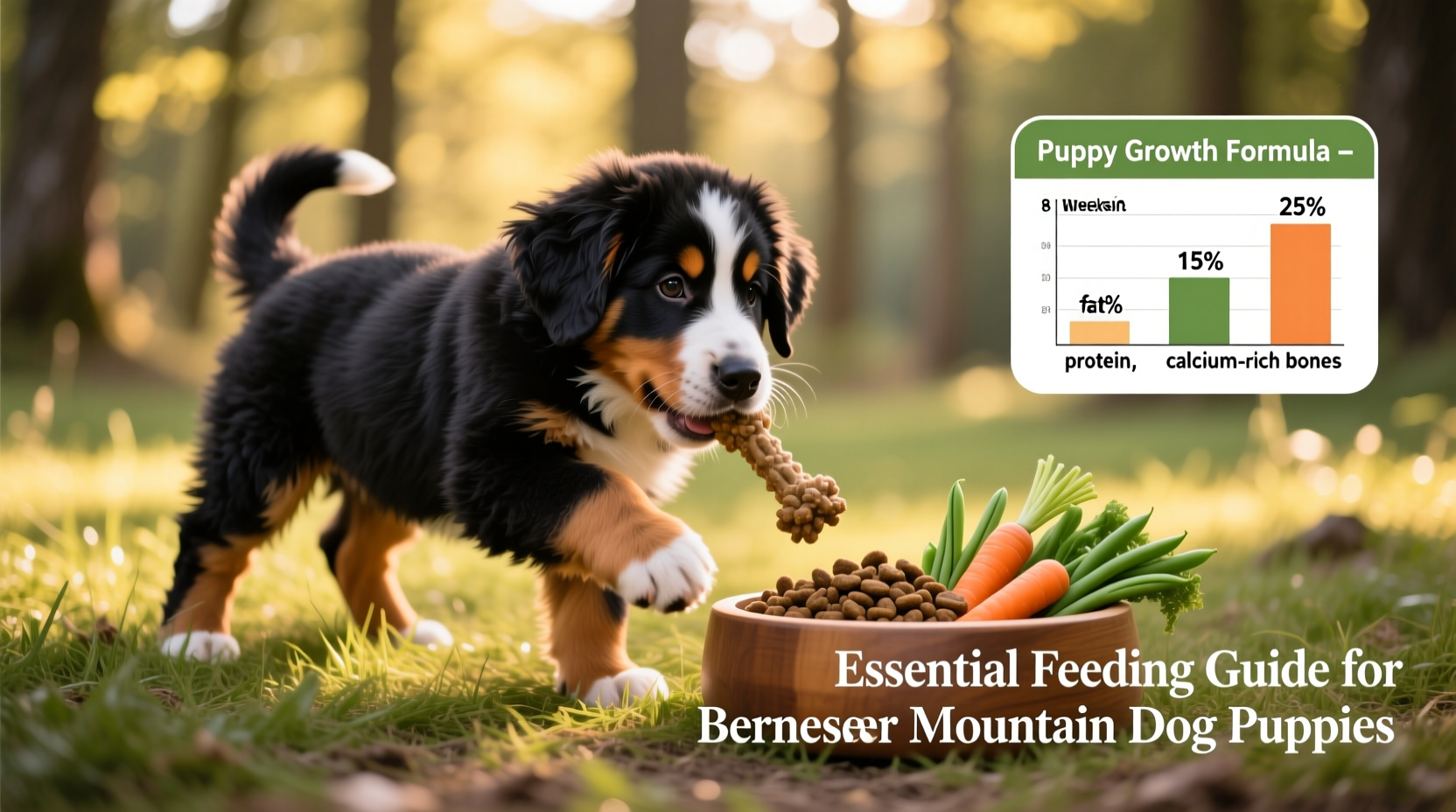
Unlike small or medium breeds, large and giant breeds like the Bernese Mountain Dog have unique nutritional requirements during growth. Their bones and joints develop over a longer period—up to two years—and require controlled, steady growth rather than explosive weight gain.
The Association of American Feed Control Officials (AAFCO) recommends that large-breed puppy foods contain 22–25% protein and 8–10% fat on a dry matter basis. However, calorie density is equally important. Overfeeding high-calorie diets can accelerate bone growth, increasing stress on developing joints.
“Large-breed puppies don’t need more nutrients—they need better-balanced ones. Excess calcium and calories are far more dangerous than deficiencies.” — Dr. Sarah Wooten, DVM, Veterinary Nutritionist
Key nutrients to monitor:
- Calcium-to-phosphorus ratio: Should be between 1:1 and 1.3:1. Too much calcium increases the risk of skeletal abnormalities.
- DHA (Docosahexaenoic acid): Supports brain and vision development, especially crucial in the first 12 weeks.
- Glucosamine and chondroitin: Naturally occurring compounds that support cartilage health—beneficial even in puppyhood.
- Protein quality: Animal-based proteins (chicken, lamb, fish) are more bioavailable and easier to digest.
Choosing the Right Puppy Food
Selecting food labeled “for large-breed puppies” is essential. These formulas are specifically engineered to support gradual growth with controlled energy and mineral content. Generic “all life stages” or “growth” formulas may be too rich in calories and calcium for a Bernese pup.
When reading labels, look for:
- A named animal protein as the first ingredient (e.g., deboned chicken, lamb meal).
- No artificial colors, flavors, or preservatives.
- Guaranteed analysis showing moderate protein (22–26%) and fat (8–12%).
- AAFCO statement confirming the food meets nutritional profiles for growth in large breeds.
| Feature | Recommended | Avoid |
|---|---|---|
| Calorie Density | 300–350 kcal/cup | Over 400 kcal/cup |
| Calcium Level | 0.8–1.2% | Over 1.5% |
| Protein Source | Animal-based (chicken, beef, fish) | Plant-based fillers (corn, soy) |
| Supplements | Added DHA, glucosamine | Extra calcium or vitamin D |
Feeding Schedule and Portion Control
Consistency is key. Bernese Mountain Dog puppies should be fed three times daily from weaning (around 8 weeks) until 6 months of age. After that, transition to twice-daily feedings to prevent bloat and maintain stable energy levels.
Portion size depends on age, weight, and activity level. Use your food manufacturer’s feeding chart as a starting point, but adjust based on body condition. You should be able to feel—but not prominently see—the ribs. An overly round or barrel-shaped puppy is a sign of overfeeding.
- 8–12 weeks: 3 meals per day, ~1/2 to 3/4 cup of food per meal depending on current weight.
- 3–6 months: 3 meals per day, gradually increasing to 1.5–2.5 cups total daily.
- 6–12 months: Transition to 2 meals per day, totaling 2.5–4 cups depending on growth rate.
- 12+ months: Continue monitoring; some Bernese may need reduced portions after spaying/neutering due to lowered metabolic rate.
Common Feeding Mistakes and How to Avoid Them
Even well-intentioned owners can unknowingly harm their puppy’s development through common feeding errors.
- Free-feeding: Leaving food out all day leads to overeating and uncontrolled growth rates. Always measure meals.
- Over-treating: Treats should make up no more than 10% of daily caloric intake. Opt for low-calorie options like carrot sticks or freeze-dried liver bits.
- Homemade diets without guidance: While appealing, DIY diets often lack proper balance. Consult a veterinary nutritionist before switching.
- Early spay/neuter without diet adjustment: Altered puppies have lower energy needs. Failing to reduce calories post-surgery increases obesity risk.
Mini Case Study: Max the Bernese Puppy
Max, a 10-week-old Bernese Mountain Dog, was thriving on a generic puppy kibble his owner found at a discount store. By 5 months, he weighed 68 pounds—well above average—and began limping after play sessions. A vet diagnosed early signs of elbow dysplasia linked to excessive calcium and calorie intake. After switching to a large-breed-specific formula and reducing portions, Max’s growth stabilized. By 12 months, his lameness resolved, and radiographs showed improved joint alignment. His owner now weighs him monthly and adjusts food accordingly.
Nutrition Timeline: First 12 Months
A structured feeding plan ensures your puppy receives what they need when they need it.
- Weeks 8–12: Begin with a highly digestible, DHA-rich large-breed puppy food. Introduce new food gradually over 7 days to avoid digestive upset.
- Months 3–6: Monitor weekly weight gain. Ideal range is 2–3 pounds per week. Adjust food volume if gaining faster.
- Months 6–9: Transition to two meals per day. Consider adding a probiotic supplement if digestion is sensitive.
- Months 10–12: Evaluate body condition score. If overweight, switch to a lower-fat maintenance formula designed for large breeds.
Frequently Asked Questions
Can I feed my Bernese puppy regular puppy food?
No. Regular puppy food is often too high in calories and calcium for large breeds, increasing the risk of skeletal disorders. Always choose a formula specifically labeled for large-breed puppies.
When should I switch to adult dog food?
Bernese Mountain Dogs mature slowly. Most veterinarians recommend staying on puppy food until 12–15 months of age, then transitioning gradually to an adult large-breed formula.
Are raw or BARF diets safe for Bernese puppies?
Raw diets carry risks of bacterial contamination and nutritional imbalances. If considering raw feeding, work with a board-certified veterinary nutritionist to ensure proper calcium, phosphorus, and vitamin levels.
Checklist: Feeding Your Bernese Mountain Dog Puppy
- ✅ Choose a commercial food labeled “for large-breed puppies”
- ✅ Feed three times daily until 6 months, then twice daily
- ✅ Measure portions accurately using a standard measuring cup
- ✅ Weigh your puppy monthly and track growth
- ✅ Limit treats to 10% of daily calories
- ✅ Provide fresh water at all times
- ✅ Avoid supplemental calcium or vitamins
- ✅ Schedule annual vet checkups with nutritional review
Final Thoughts
Feeding a Bernese Mountain Dog puppy isn’t complicated—but it does require intentionality. The choices you make in the first year directly influence how comfortably your dog moves in middle age. Joint problems that seem distant today often originate in improper nutrition during puppyhood. By focusing on balanced, measured feeding and avoiding common pitfalls, you set your Berner up for a lifetime of strength, mobility, and joy.
💬 Have questions about your Bernese puppy’s diet? Share your experience or ask for advice in the comments below—your journey could help another owner make informed choices!








