
For decades, the debate over electric versus manual toothbrushes has divided dental professionals and consumers alike. At the heart of this discussion lies a critical question: which type removes more plaque with consistent daily use? Plaque—the sticky biofilm that forms on teeth—is the primary culprit behind cavities, gum disease, and bad breath. Effective removal is essential for long-term oral health. While both brushing methods can be effective, mounting clinical evidence suggests that electric toothbrushes offer measurable advantages in plaque reduction—especially when used correctly over time.
This article examines the science behind plaque removal, compares performance between electric and manual models, evaluates user behavior, and provides actionable guidance to help you make an informed decision based on your needs and habits.
The Science of Plaque Removal
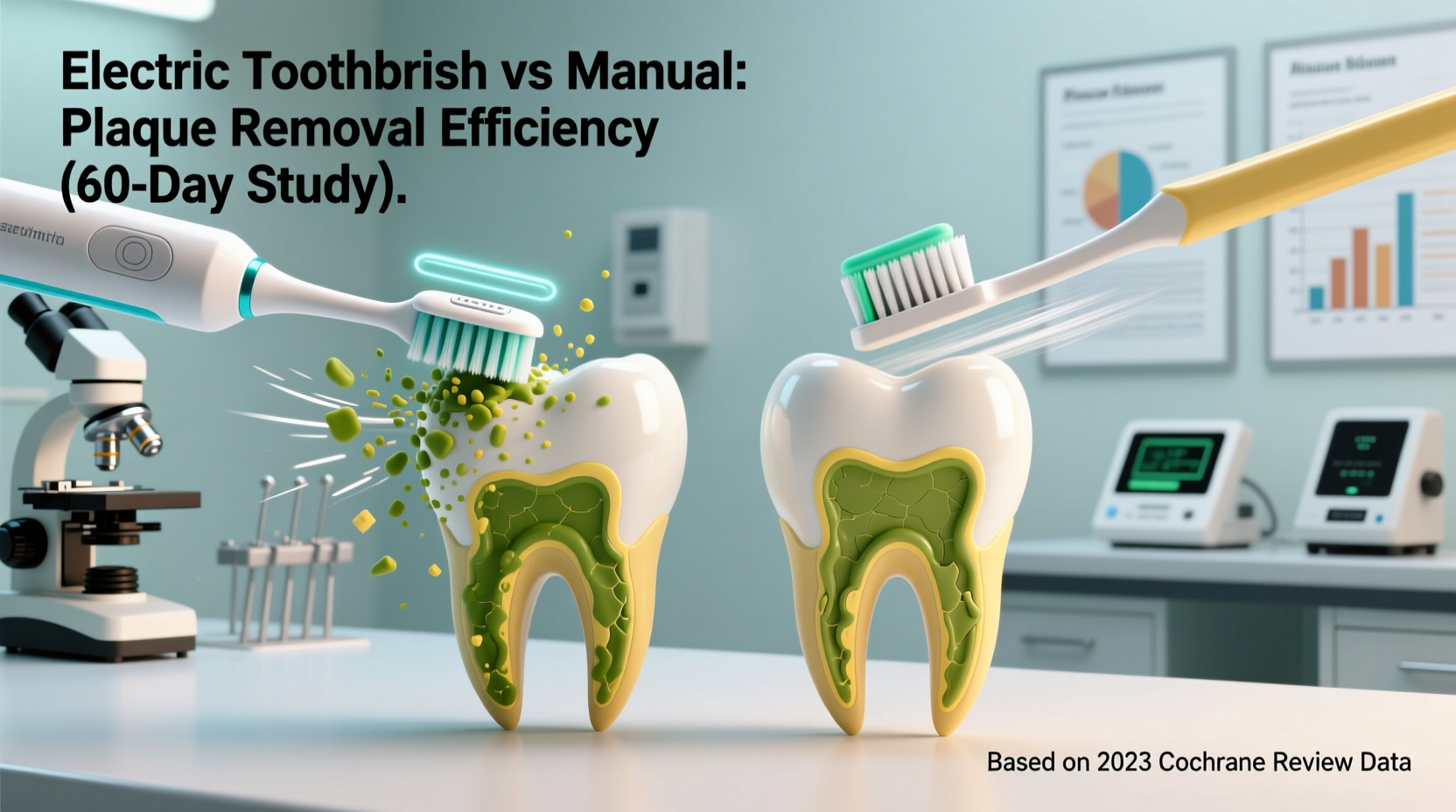
Dental plaque is a complex microbial community that adheres to tooth surfaces within hours after brushing. If not removed regularly, it mineralizes into tartar, which requires professional scaling. The effectiveness of any toothbrush depends on its ability to disrupt this biofilm along the gumline and between teeth.
Plaque removal efficacy is typically measured using standardized indices such as the Quigley-Hein Plaque Index or Turesky Modification of the Quigley-Hein Index. These tools allow researchers to quantify plaque coverage before and after brushing across multiple tooth surfaces.
Studies consistently show that brushing technique, duration, frequency, and tool design all influence outcomes. However, even with ideal technique, human limitations—such as inconsistent pressure, missed spots, and variable motion—can hinder plaque control with manual brushes.
Tip: Brush for two full minutes, twice daily, focusing on one quadrant at a time (30 seconds each) to ensure thorough coverage.Clinical Evidence: Electric vs Manual Performance
A landmark 2014 Cochrane Review analyzed data from 56 randomized controlled trials involving over 5,000 participants. The conclusion was clear: oscillating-rotating electric toothbrushes produce statistically significant reductions in plaque and gingivitis compared to manual brushes after one to three months of use.
On average, electric toothbrush users experienced:
- 11% greater plaque reduction after one month
- 21% reduction in gingivitis after three months
- Better interproximal (between-teeth) cleaning, particularly with brush heads designed for tight spaces
These benefits were most pronounced among individuals who previously had poor brushing habits or higher baseline plaque levels. The mechanical action of electric brushes—ranging from 8,000 to 40,000 movements per minute—outperforms the typical 300–600 strokes achievable manually.
“Electric toothbrushes provide consistent motion and timing, reducing reliance on user skill. For many patients, especially those with limited dexterity, they represent a meaningful upgrade in preventive care.” — Dr. Linda Chen, Periodontist and Clinical Researcher
Key Factors Influencing Effectiveness
While technology plays a role, real-world results depend heavily on how the tool is used. Several factors determine whether an electric or manual brush wins in plaque removal:
Brushing Technique
Manual brushing requires proper form—angling the bristles at 45 degrees to the gumline, using short circular motions, and covering all surfaces. Many people default to horizontal scrubbing, which is less effective and may damage enamel and gums.
In contrast, most electric toothbrushes guide users toward correct technique. Oscillating heads do the work, requiring only gentle guiding along tooth surfaces without aggressive movement.
User Compliance and Behavior
Even the best tool fails if underused. Electric models often include features that improve compliance:
- Timers (typically 30-second pulses and a 2-minute shutoff)
- Pressure sensors that alert when brushing too hard
- Bluetooth connectivity with apps tracking brushing duration and coverage
A 2020 study published in the Journal of Clinical Periodontology found that app-connected electric brushes increased brushing time by an average of 27 seconds per session compared to manual brushing.
Accessibility and Dexterity
Individuals with arthritis, carpal tunnel syndrome, or developmental disabilities often struggle with manual brushing. Electric toothbrushes reduce physical effort and improve reach, making them superior for these populations.
Replacement Frequency and Maintenance
Both brush types require head replacement every three to four months—or sooner if bristles fray. Worn bristles lose effectiveness regardless of power source. Some electric models feature indicator bristles that fade over time, prompting timely changes.
| Factor | Manual Toothbrush | Electric Toothbrush |
|---|---|---|
| Plaque Removal Efficacy | Moderate (highly technique-dependent) | High (consistent mechanical action) |
| Gingivitis Reduction | ~5–10% improvement with good technique | ~17–21% reduction over 3 months |
| User Skill Dependency | High | Low to moderate |
| Battery/Maintenance Cost | None | Requires charging; replacement heads (~$20–$40/year) |
| Best For | Budget-conscious users, travel, simple routines | Those seeking optimal plaque control, people with dexterity issues |
Real-World Case: Improving Oral Health with Technology
Sarah, a 42-year-old office manager, visited her dentist complaining of persistent gum bleeding despite brushing twice daily. Her examination revealed moderate plaque buildup and early signs of gingivitis. She used a soft manual brush but admitted to rushing through brushing in under 90 seconds.
Her hygienist recommended switching to a mid-range oscillating electric toothbrush with a built-in timer. Sarah committed to two full minutes of brushing, following the quadrant pacing cues. After six weeks, she reported reduced gum sensitivity. At her follow-up, plaque scores dropped by 38%, and gingival inflammation improved significantly.
“I didn’t realize how much I was missing,” Sarah said. “The timer made me slow down, and the brush did more of the work. It’s become part of my routine effortlessly.”
This case illustrates how device features can compensate for common behavioral shortcomings—turning intention into measurable results.
Choosing the Right Tool: A Practical Checklist
Whether you choose electric or manual, the goal is consistent, effective plaque removal. Use this checklist to evaluate your options:
- ✅ Do you brush for at least two minutes, twice daily?
- ✅ Can you maintain proper brushing technique (45-degree angle, circular motions)?
- ✅ Do you have difficulty gripping or moving a brush due to arthritis or injury?
- ✅ Are you prone to skipping brushing or cutting sessions short?
- ✅ Have your dental checkups shown recurring plaque or gingivitis?
- ✅ Are you willing to invest in replacement heads and rechargeable technology?
If you answered “no” to the first three or “yes” to the last three, an electric toothbrush may offer tangible benefits. If cost is a concern, consider that preventing gum disease can save hundreds in future dental treatments.
Tip: Try an electric toothbrush for one month. Track changes in gum bleeding, morning film, and dental feedback at your next cleaning.Step-by-Step Guide to Maximizing Plaque Removal
No matter which brush you use, follow this sequence to optimize results:
- Start with a clean mouth: Rinse with water or antibacterial mouthwash to loosen debris before brushing.
- Apply fluoride toothpaste: Use a pea-sized amount. Avoid rinsing it away immediately after brushing to prolong fluoride exposure.
- Position the brush correctly: Angle bristles toward the gumline at 45 degrees. For electric brushes, let the head do the work—guide slowly without pressing hard.
- Follow a systematic pattern: Begin at the back molars and move forward, covering outer, inner, and chewing surfaces. Spend 30 seconds per quadrant.
- Don’t forget key areas: Focus on the inside of front teeth (often neglected), behind molars, and around crowns or braces.
- Finish with flossing or interdental aids: No brush reaches completely between teeth. Floss, picks, or water flossers are essential complements.
- Rinse lightly: Swish with water or prescribed rinse, but avoid excessive rinsing that washes away protective fluoride.
Frequently Asked Questions
Can a manual toothbrush remove as much plaque as an electric one?
Yes—but only if used with perfect technique, full two-minute duration, and consistent daily habits. In real-world conditions, most people fall short, making electric brushes more reliably effective.
Are sonic toothbrushes better than oscillating ones?
Both types outperform manual brushes. Oscillating-rotating models have the strongest clinical backing, but high-frequency sonic brushes (like Philips Sonicare) also demonstrate significant plaque reduction. Choose based on comfort, noise tolerance, and availability of replacement heads.
Is it worth upgrading if I already have good oral hygiene?
If your dentist consistently gives you clean billings and low plaque scores, your current method works. However, electric brushes may still enhance efficiency, reduce effort, and help maintain results as you age or face mobility challenges.
Conclusion: Making the Right Choice for Long-Term Health
The evidence is compelling: with regular use, electric toothbrushes remove more plaque than manual brushes for most people. Their mechanical consistency, built-in timers, and ergonomic design address common human errors in brushing behavior. That said, no tool replaces discipline. A diligent manual brusher can achieve excellent results, while someone who rushes with an electric model will see diminished returns.
Ultimately, the best toothbrush is the one you’ll use properly every day. For those seeking maximum plaque control, convenience, and long-term gum health, an electric toothbrush represents a smart investment. For others, refining technique and commitment to routine can make manual brushing equally effective.
Regardless of your choice, prioritize consistency, duration, and thoroughness. Your next dental checkup—and your smile—will reflect the difference.
🚀 Ready to upgrade your oral care routine? Try an electric toothbrush for 30 days and track improvements in gum health and cleanliness. Share your experience or ask questions in the comments below!








