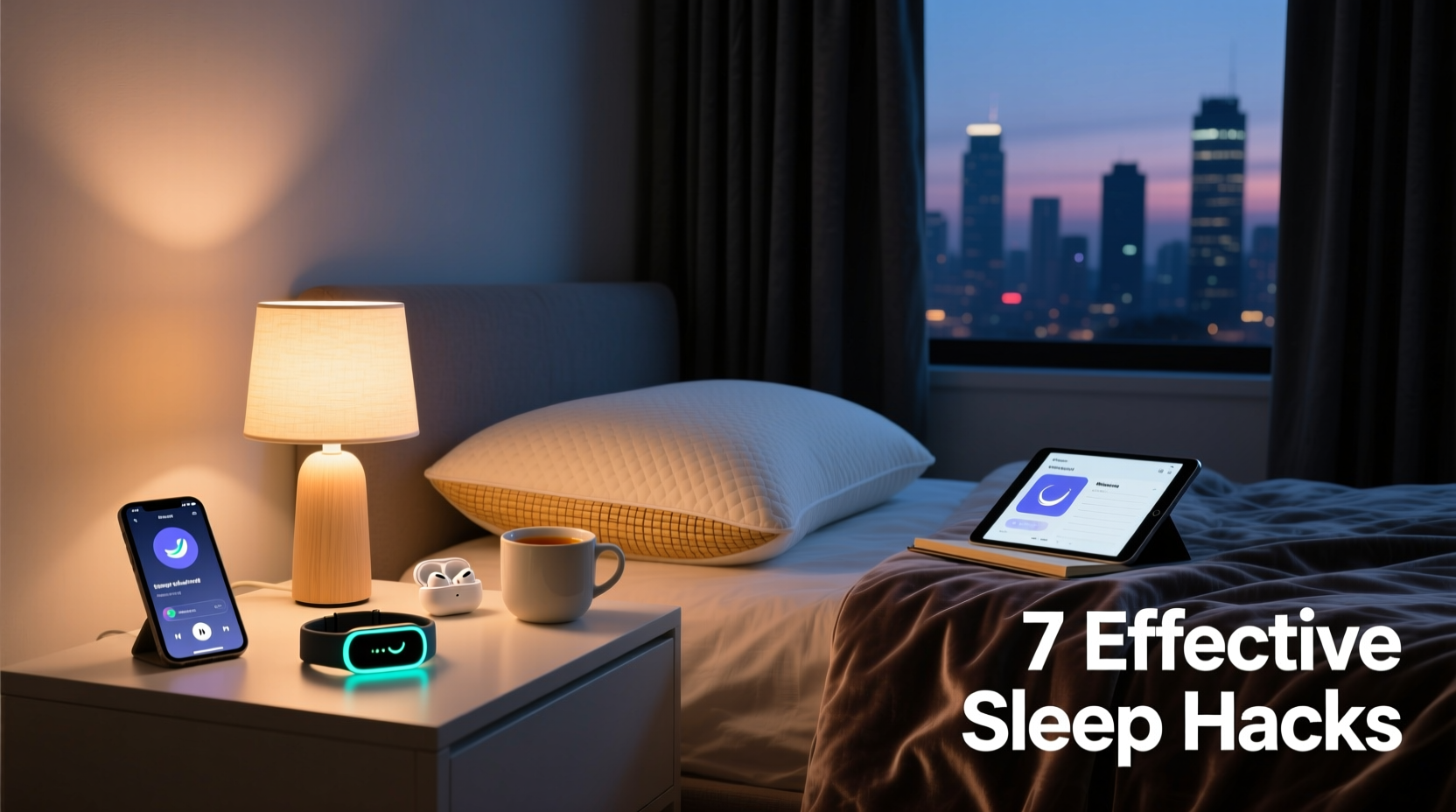
Millions struggle with falling asleep quickly, even when exhausted. The modern world—filled with screens, stress, and irregular schedules—has disrupted natural sleep rhythms. But advancements in sleep science and technology now offer practical solutions. Combining behavioral strategies with smart gadgets and comfort-driven choices can significantly reduce the time it takes to fall asleep. This guide explores proven methods, from circadian rhythm alignment to high-tech wearables and bedroom optimization, all designed to help you drift off faster and wake up refreshed.
Align Your Circadian Rhythm for Faster Sleep Onset
Your body operates on a 24-hour internal clock known as the circadian rhythm. When this rhythm is out of sync—due to late-night screen use, irregular sleep times, or poor light exposure—it becomes harder to fall asleep quickly. Resetting your internal clock doesn’t require drastic changes; small, consistent habits make a big difference.
Begin by exposing yourself to bright natural light within 30 minutes of waking. Morning sunlight suppresses melatonin and signals your brain that it’s time to be alert. Conversely, dimming lights and avoiding blue light from phones and laptops after 8 PM helps trigger melatonin production, preparing your body for sleep.
Tip: Set a \"digital sunset\" one hour before bed. Use apps like f.lux or Night Shift to reduce blue light, but ideally, avoid screens altogether.Consistency matters more than duration. Going to bed and waking up at the same time every day—even on weekends—strengthens your circadian signal. Over time, your body learns to initiate sleep naturally as bedtime approaches.
Smart Gadgets That Accelerate Sleep
Technology often gets blamed for poor sleep, but certain smart devices are specifically engineered to improve it. These gadgets monitor, regulate, and optimize your sleep environment using data-driven insights.
- Oura Ring: Tracks heart rate variability, body temperature, and movement to provide personalized sleep readiness scores. It also detects when you’re in deep sleep, helping you understand your optimal wind-down window.
- Withings Sleep Analyzer: Placed under your mattress, it monitors heart rate, breathing disturbances, and sleep cycles without requiring wearables. It integrates with smart home systems to adjust room conditions automatically.
- Philips SmartSleep Wake-Up Light: Simulates a sunrise 30 minutes before your alarm, gently raising light levels to align with natural wake-up patterns. Studies show such lights improve morning alertness and nighttime sleep quality.
- Muse S Headband: Uses EEG sensors to detect brain activity during meditation and sleep. It provides real-time audio feedback to help calm the mind before bed, reducing pre-sleep anxiety.
“Wearable sleep tech gives users actionable insights they wouldn’t otherwise have. Seeing how lifestyle choices affect sleep latency empowers behavior change.” — Dr. Lena Torres, Sleep Neurologist, Stanford Center for Sleep Sciences
Comfort-Centric Bedroom Upgrades
No gadget can compensate for an uncomfortable sleeping environment. Temperature, texture, and noise play critical roles in how fast you fall asleep. The ideal bedroom supports sensory relaxation.
| Factor | Optimal Setting | Recommended Products |
|---|---|---|
| Temperature | 60–67°F (15–19°C) | Chilipad Cube, BedJet 3 |
| Bedding Material | Breathable, moisture-wicking | Boll & Branch sheets (organic cotton), Cozy Earth bamboo viscose |
| Noise Control | Consistent low-frequency sound | HoMedics SoundSpa, LectroFan High Fidelity |
| Light Blocking | Near-total darkness | Magnetic blackout panels, Manta Sleep mask |
Cooling devices like the Chilipad allow dual-zone temperature control, letting partners maintain individual comfort. Weighted blankets (10–15 lbs) have been shown in clinical studies to reduce insomnia symptoms by applying gentle pressure that mimics deep touch stimulation, calming the nervous system.
Step-by-Step Wind-Down Routine for Fast Sleep
A structured routine signals your brain that it’s time to transition into rest. Follow this sequence nightly for best results:
- 9:00 PM – Disengage from work: Close laptops and silence email notifications. Write down any lingering thoughts in a journal to prevent mental looping.
- 9:15 PM – Begin low-light mode: Turn off overhead lights. Use warm-toned lamps (under 2700K) in living areas.
- 9:30 PM – Warm bath or shower: A rise and subsequent drop in core body temperature promotes drowsiness. Add Epsom salts or lavender essential oil for enhanced relaxation.
- 9:50 PM – Practice 10-minute breathwork: Try box breathing: inhale for 4 seconds, hold for 4, exhale for 4, hold for 4. Repeat for five cycles.
- 10:00 PM – Enter bedroom: Wear comfortable sleepwear, adjust smart thermostat to 65°F, activate white noise machine.
- 10:05 PM – Read physical book or listen to sleep story: Avoid backlit devices. Audiobooks with slow narration (like Calm or Headspace Sleepcasts) are excellent alternatives.
- Lights out by 10:30 PM: Stick to this cutoff to reinforce circadian timing.
Real Example: How Sarah Reduced Sleep Latency from 90 to 15 Minutes
Sarah, a 34-year-old project manager, routinely took over an hour to fall asleep despite being tired. After tracking her habits, she realized she was checking emails in bed and keeping her phone nearby. She implemented three key changes:
- Replaced her phone alarm with a sunrise lamp.
- Started using an Oura Ring to monitor her sleep readiness score.
- Introduced a weighted blanket and eliminated screen use after 9 PM.
Within two weeks, her average time to fall asleep dropped to 25 minutes. By week four, it was consistently under 20 minutes. Her Oura data showed improved HRV and earlier onset of deep sleep. “I didn’t realize how much my environment was working against me,” she said. “Now I look forward to bedtime.”
Essential Do’s and Don’ts for Falling Asleep Faster
| Do’s | Don’ts |
|---|---|
| Maintain a consistent sleep schedule | Use your bed for work or watching TV |
| Invest in a supportive mattress and pillows | Consume caffeine after 2 PM |
| Practice mindfulness or light stretching before bed | Engage in intense exercise within 3 hours of bedtime |
| Keep the bedroom cool and quiet | Watch stressful news or social media before sleep |
| Use red or amber lighting in the evening | Take long naps after 3 PM |
Frequently Asked Questions
Can smart gadgets really help me fall asleep faster?
Yes, but only when used correctly. Devices like the Oura Ring or Muse S provide biofeedback that helps you understand your body’s signals. They don’t replace good habits but enhance them by revealing patterns you might miss—like elevated resting heart rate due to stress or poor recovery.
How do I know if my mattress is affecting my sleep speed?
If you wake up with stiffness, numbness, or find yourself tossing and turning frequently in the first hour, your mattress may be the culprit. Most mattresses last 7–10 years. Memory foam and hybrid models tend to support spinal alignment better, which reduces discomfort that delays sleep.
Is a white noise machine better than earplugs?
It depends on your sensitivity. White noise machines mask disruptive sounds with consistent frequencies, making them ideal for urban environments or households with variable noise. Earplugs block sound entirely but can feel uncomfortable or increase ear pressure. Many people use both—a low hum from a fan or sound machine combined with soft silicone plugs.
Final Thoughts: Build a Sleep-Friendly Lifestyle
Falling asleep fast isn’t about willpower—it’s about designing an environment and routine that make sleep inevitable. Smart gadgets offer precision and insight, while comfort-focused choices reduce physical resistance to rest. Together, they create a powerful synergy that supports rapid sleep onset.
🚀 Start tonight: Pick one upgrade—swap your lighting, try a sleep-tracking ring, or establish a 10-minute wind-down ritual. Small changes compound into lasting improvements. Share your progress or favorite tip in the comments below.








