A stiff neck is more than just an annoyance—it can disrupt sleep, reduce productivity, and interfere with daily movement. Often caused by poor posture, sudden movements, or prolonged sitting, cervical stiffness affects millions each year. While most cases resolve within a few days, applying the right techniques early can accelerate recovery and minimize recurrence. Understanding both immediate relief methods and long-term preventive habits empowers individuals to manage their neck health proactively.
Immediate Relief: What to Do When Stiffness Strikes
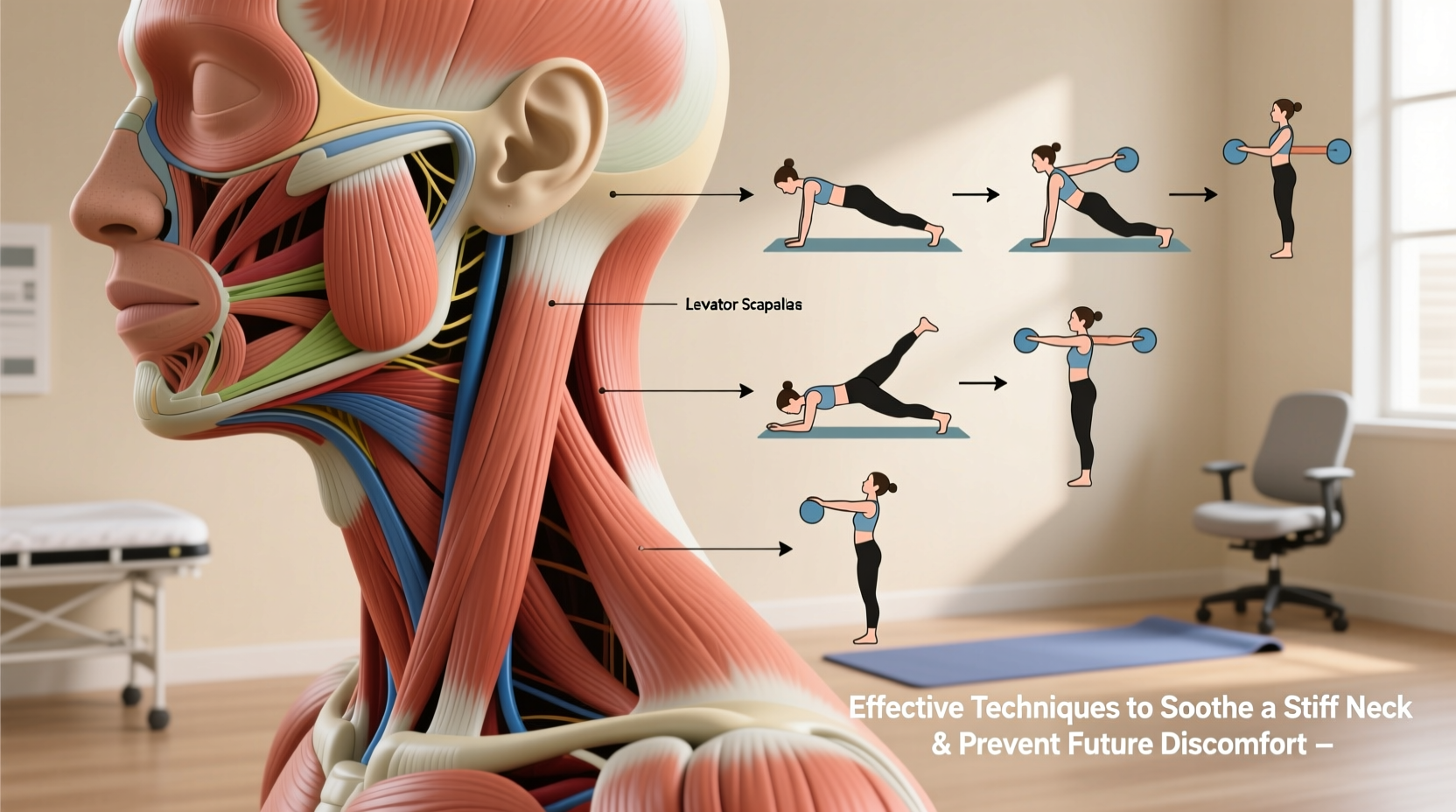
When a stiff neck flares up, especially in the morning or after extended screen time, targeted interventions can reduce pain and restore mobility. The first 24–72 hours are critical for managing inflammation and preventing compensatory strain in surrounding muscles.
Gentle heat application is one of the most accessible remedies. A warm towel or heating pad increases blood flow to tense muscles, helping them relax. Apply heat for 15–20 minutes every few hours during the initial phase. Avoid excessive heat or prolonged use, which may lead to skin irritation or increased swelling if inflammation is present.
Conversely, cold therapy may be preferable in the first 24 hours if there’s been a minor injury or muscle strain. Ice reduces localized swelling and numbs sharp pain. Wrap an ice pack in a thin cloth and apply it to the affected area for 10–15 minutes at a time.
Tip: Alternate between heat and cold every two hours if unsure which works better—some people respond best to a combination.Targeted Stretching and Mobility Exercises
Movement is medicine for a stiff neck. Gentle stretching helps release tight muscle bands, particularly in the upper trapezius, levator scapulae, and sternocleidomastoid. Perform these exercises slowly, without forcing range of motion.
- Chin Tucks: Sit upright and gently draw your chin straight back, creating a “double chin.” Hold for 3–5 seconds and repeat 10 times. This strengthens deep neck flexors and counters forward head posture.
- Neck Side Bends: Tilt your right ear toward your right shoulder, holding for 20–30 seconds. Repeat on the left. Keep shoulders relaxed and avoid lifting them toward the ears.
- Rotation Stretches: Turn your head slowly to the right until you feel a mild stretch. Hold for 20 seconds, then switch sides. Perform twice per side.
These movements should never cause sharp pain. If discomfort increases, stop immediately and consult a healthcare provider.
Ergonomic Adjustments to Prevent Recurrence
Most chronic neck stiffness stems from repetitive strain due to poor ergonomics. Whether working at a desk, driving, or using a smartphone, subtle misalignments accumulate over time. Correcting posture and workspace setup is essential for long-term prevention.
| Area | Do | Avoid |
|---|---|---|
| Computer Setup | Top of monitor at or slightly below eye level, arms at 90°, wrists neutral | Looking down at laptop screens or hunching forward |
| Chair Support | Use lumbar support, sit fully back in chair, feet flat on floor | Sitting on the edge of the seat or slouching |
| Phone Use | Hold phone at eye level, use voice-to-text when possible | Crane neck downward for extended periods (\"text neck\") |
Even brief interruptions—standing up every 30 minutes, rolling shoulders, or doing mini-stretches—can significantly reduce muscular fatigue.
“Over 60% of patients with recurrent neck pain show marked improvement within four weeks when ergonomic changes are combined with targeted exercises.” — Dr. Lena Patel, Physical Therapist and Spine Health Specialist
Step-by-Step Guide to Daily Neck Care Routine
Integrating simple practices into your day builds resilience against stiffness. Follow this sequence to maintain flexibility and strength:
- Morning (5 min): Begin with chin tucks (10 reps) and slow neck rotations (5 each side) to wake up cervical joints.
- Midday Break (3 min): Stand up, perform shoulder rolls (forward and backward, 10 each), and do lateral neck stretches.
- Evening (7 min): Apply heat if needed, then complete a full set of stretches including forward bends and upper trapezius releases.
- Before Bed: Ensure pillow supports natural neck curvature—neither too high nor too flat. Test alignment by lying down; your head should not tilt upward or droop downward.
- Weekly Check-In: Assess how often stiffness occurs. Track triggers like stress, long drives, or new furniture.
Real Example: Office Worker Finds Relief
Sarah, a 34-year-old project manager, experienced recurring neck stiffness every Monday. After weeks of discomfort, she consulted a physical therapist who identified her weekend habit of binge-watching shows while lying on the couch with her neck twisted to view a side-mounted TV. Combined with a poorly adjusted office chair, this created cumulative strain.
Her treatment plan included switching to a supportive pillow, repositioning her home screen to eye level, and performing daily chin tucks. Within three weeks, her morning pain decreased by 80%. By month six, she no longer required pain relievers and reported improved focus and energy.
When to Seek Professional Help
While most stiff necks respond to self-care, certain symptoms warrant medical evaluation. Seek help if you experience:
- Pain radiating down the arm or accompanied by numbness/tingling
- Headaches originating at the base of the skull
- Dizziness, vision changes, or balance issues
- Fever or unexplained weight loss alongside neck pain
These could indicate underlying conditions such as cervical radiculopathy, disc issues, or systemic illness. A physical therapist can design a personalized strengthening program, while chiropractors or physicians may recommend imaging or other treatments when necessary.
Prevention Checklist
Stay ahead of stiffness with this actionable checklist:
- ✅ Adjust workstation so eyes align with top third of monitor
- ✅ Use a supportive pillow that maintains neutral spine alignment
- ✅ Take micro-breaks every 30 minutes during prolonged sitting
- ✅ Practice chin tucks and shoulder blade squeezes daily
- ✅ Limit smartphone use below eye level
- ✅ Incorporate yoga or swimming for postural muscle balance
- ✅ Manage stress through breathing exercises or mindfulness
FAQ
How long does a stiff neck usually last?
Most cases resolve within 3 to 7 days with proper care. Persistent stiffness beyond two weeks should be evaluated by a healthcare provider to rule out structural or neurological causes.
Can sleeping position cause a stiff neck?
Yes. Sleeping with too many pillows, on your stomach, or without adequate neck support can strain cervical muscles overnight. Opt for a side or back-sleeping position with a contoured or orthopedic pillow.
Is massage helpful for a stiff neck?
Therapeutic massage can relieve muscle tension and improve circulation. However, aggressive manipulation during acute phases may worsen symptoms. Consult a licensed therapist familiar with musculoskeletal conditions.
Conclusion
A stiff neck doesn’t have to be a recurring burden. With timely intervention, consistent stretching, and smart ergonomic choices, most people can find lasting relief. The key lies not just in treating flare-ups but in reshaping daily habits that contribute to strain. Small adjustments today—how you sit, sleep, and move—compound into significant improvements in comfort and function over time.
🚀 Start tonight: Reassess your pillow, do three gentle neck stretches, and commit to one ergonomic upgrade this week. Your neck will thank you tomorrow.








