
Muscle knots—also known as myofascial trigger points—are tight, tender spots that develop in muscle tissue, often along the upper back, shoulders, or lower back. These localized contractions can restrict blood flow, cause discomfort, and limit mobility. While professional treatment is sometimes necessary, many back knots respond well to consistent self-care. With the right combination of movement, pressure, and recovery strategies, you can significantly reduce or eliminate these painful areas from the comfort of your home.
Understanding Back Knots: Causes and Symptoms
Back knots form when muscle fibers contract and fail to release, creating a palpable lump or tight band. Common causes include poor posture, repetitive strain, stress-induced tension, lack of movement, or overuse during physical activity. Sedentary lifestyles, especially prolonged sitting at desks, are among the leading contributors.
Symptoms typically include:
- Dull, persistent ache in the upper or lower back
- Localized tenderness when pressing on the area
- Reduced range of motion
- Referred pain (pain radiating to nearby areas like the neck or hips)
- Stiffness after long periods of inactivity
It's important to differentiate muscle knots from more serious spinal conditions. If pain is sharp, accompanied by numbness, tingling, or weakness in limbs, consult a healthcare provider to rule out nerve compression or disc issues.
Tip: Check your posture every hour if working at a desk—set a timer to stand, stretch, or adjust your position.Step-by-Step Guide to Loosening Muscle Knots at Home
Relieving back knots requires a multi-pronged approach focused on releasing tension, improving circulation, and preventing recurrence. Follow this daily routine for best results:
- Apply Heat (5–10 minutes): Use a heating pad or warm towel to increase blood flow and relax stiff muscles. Moist heat penetrates deeper than dry heat.
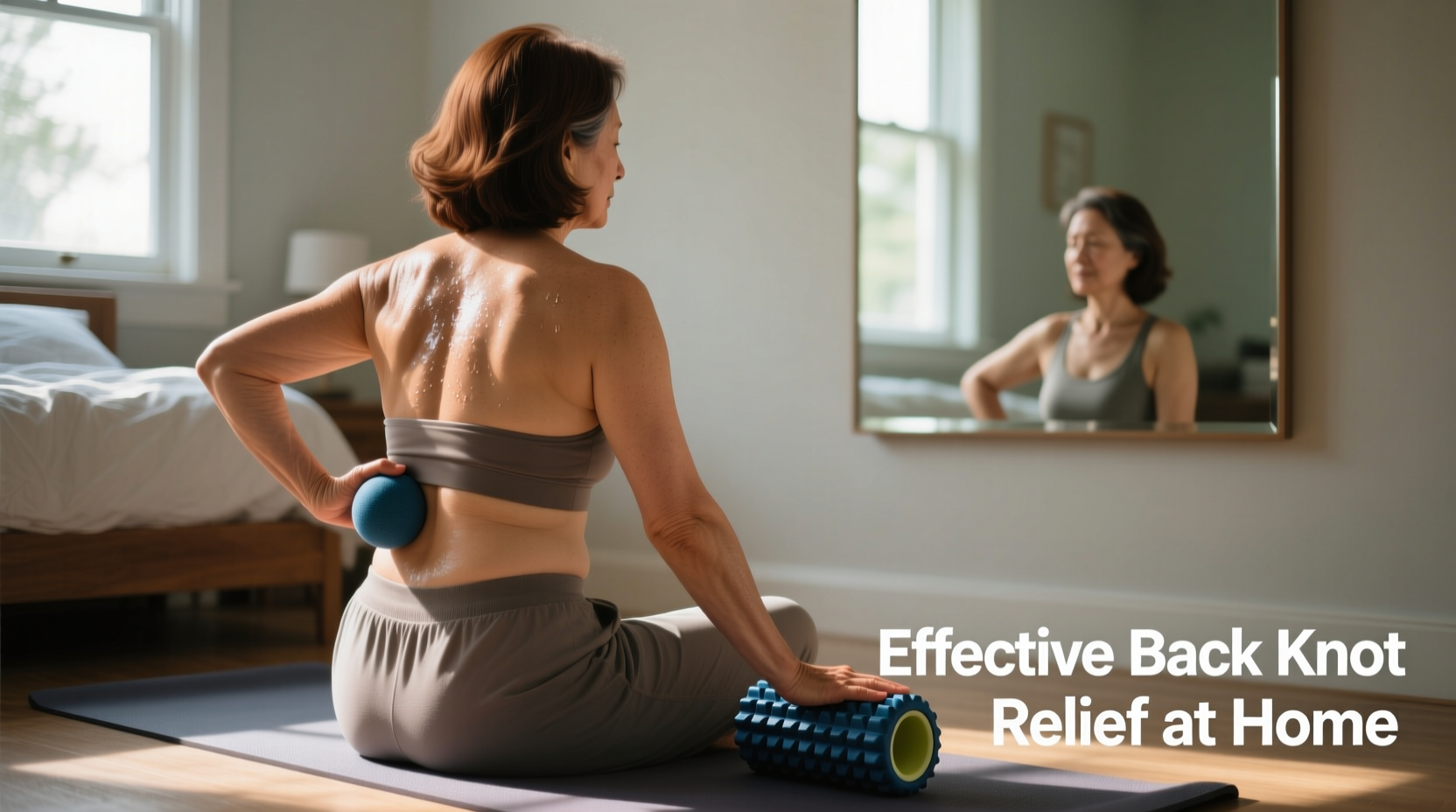
- Self-Massage with Tools (5–7 minutes): Use a foam roller, lacrosse ball, or massage gun to apply targeted pressure to the knot. Roll slowly and pause on tender spots for 20–30 seconds.
- Stretch the Affected Area (10 minutes): Perform dynamic and static stretches that target the tight muscle group—such as shoulder rolls, cat-cow, or child’s pose.
- Strengthen Supporting Muscles (15 minutes): Incorporate light resistance exercises to improve postural stability and prevent future knots.
- Cool Down and Hydrate: Drink water to flush metabolic waste from the muscles and consider a cold pack if inflammation is present.
Consistency is key. Performing this sequence daily—or even twice daily for acute knots—can yield noticeable improvement within a week.
Effective Tools and Techniques for Self-Treatment
You don’t need expensive equipment to treat muscle knots. Simple tools used correctly can deliver significant relief:
| Tool | Best For | How to Use | Frequency |
|---|---|---|---|
| Foam Roller | Upper back, thoracic spine | Lie on the roller, support head with hands, roll slowly up and down | 5–10 mins daily |
| Lacrosse Ball | Shoulder blades, lower back | Place ball between wall and knot; lean into it and hold pressure | 2–3 times per day |
| Massage Gun | Deep tissue release | Use low setting, glide over area, avoid bones and spine | 2–3 mins per spot |
| Tennis Ball in Sock | Targeted, gentle pressure | Knot tied in sock holds ball; press against wall or floor | As needed |
When applying pressure, never push through sharp pain. Discomfort should be moderate—a \"good hurt\"—and ease within minutes of stopping. Over-aggressive treatment can worsen inflammation.
“Self-myofascial release with proper technique can reduce muscle tension by up to 40% in just two weeks.” — Dr. Lena Patel, Physical Therapist and Movement Specialist
Key Stretches to Release Upper and Lower Back Knots
Stretching helps elongate contracted muscle fibers and restore flexibility. The following stretches specifically target common knot locations:
1. Child’s Pose (Balasana)
Kneel on the floor, sit back on heels, and extend arms forward while lowering the chest toward the ground. Hold for 30–60 seconds. This gently stretches the entire back and encourages relaxation.
2. Cat-Cow Stretch
On all fours, alternate between arching the back upward (cat) and dipping it downward (cow). Move slowly for 1–2 minutes. Enhances spinal mobility and releases mid-back tension.
3. Seated Forward Bend (Paschimottanasana)
Sit with legs extended, hinge at the hips, and reach for toes. Keep back straight initially, then allow gentle rounding. Ideal for lower back knots.
4. Doorway Pec Stretch
Stand in a doorway, place forearms on frame, and step one foot forward. Lean gently to stretch chest and front shoulders. Reduces forward hunch contributing to upper back knots.
Tip: Breathe deeply during stretches—inhale to prepare, exhale as you deepen the stretch. Oxygen helps relax muscle tissue.Prevention Checklist: Avoid Recurring Back Knots
Treating knots is only half the battle. Preventing their return requires lifestyle adjustments. Use this checklist to build sustainable habits:
- ✅ Adjust workstation ergonomics: Monitor at eye level, elbows at 90°, feet flat on floor
- ✅ Take movement breaks every 30–60 minutes
- ✅ Practice daily stretching or yoga (even 10 minutes helps)
- ✅ Strengthen core and postural muscles (planks, rows, scapular retractions)
- ✅ Stay hydrated—muscles function better with adequate fluid
- ✅ Manage stress through mindfulness, breathing, or meditation
- ✅ Sleep on a supportive mattress with proper pillow alignment
Real Example: Office Worker Finds Relief in Two Weeks
Mark, a 38-year-old software developer, experienced chronic upper back pain from long coding sessions. He noticed a firm knot near his right shoulder blade that flared up weekly. After consulting a physiotherapist, he adopted a simple home protocol: 10 minutes of heat each morning, 5 minutes of lacrosse ball release against the wall, and three key stretches before bed.
Within five days, Mark reported reduced soreness and improved shoulder mobility. By day 14, the knot was no longer palpable, and he integrated daily micro-breaks into his workflow. “I didn’t realize how much tension I was holding,” he said. “Ten minutes a day saved me from constant discomfort.”
Frequently Asked Questions
How long does it take to get rid of a back knot?
With consistent daily care, most minor knots begin to loosen within 3–7 days. More chronic or deep knots may take 2–4 weeks. Factors like hydration, sleep quality, and activity level influence recovery speed.
Can drinking more water help with muscle knots?
Yes. Dehydration contributes to muscle stiffness and reduced elasticity. Water supports nutrient delivery and waste removal in muscle tissue. Aim for at least 2 liters daily, more if active.
Is it safe to crack my own back to relieve knots?
While occasional cracking may provide temporary relief, forcefully manipulating the spine can lead to joint instability or soft tissue injury. Focus instead on controlled stretching and soft tissue release. If you feel the need to “pop” your back frequently, it may indicate underlying muscle imbalance.
Conclusion: Take Control of Your Back Health
Back knots are a common but manageable condition. You don’t need a spa appointment or costly therapy to find relief. With deliberate use of heat, self-massage, stretching, and preventive habits, you can dissolve muscle tension and reclaim comfort. The most effective strategy isn’t a single remedy—it’s consistency. Start today with one stretch or five minutes of rolling. Small actions compound into lasting change.
💬 Have a favorite knot-relief technique? Share your experience in the comments and help others discover what works!








