
Sunscreen is no longer just a beach-day essential—it’s a daily necessity. With increasing awareness of UV damage, premature aging, and skin cancer risks, dermatologists agree: applying sunscreen every morning should be as routine as brushing your teeth. Yet, many people still skip it, not because they don’t care, but because traditional formulas feel heavy, leave a white cast, or interfere with makeup. The good news? A new generation of sunscreens has emerged—formulas that protect effectively while feeling barely there. These modern options blend science and comfort to make sun protection not only necessary but enjoyable.
The Evolution of Sun Protection
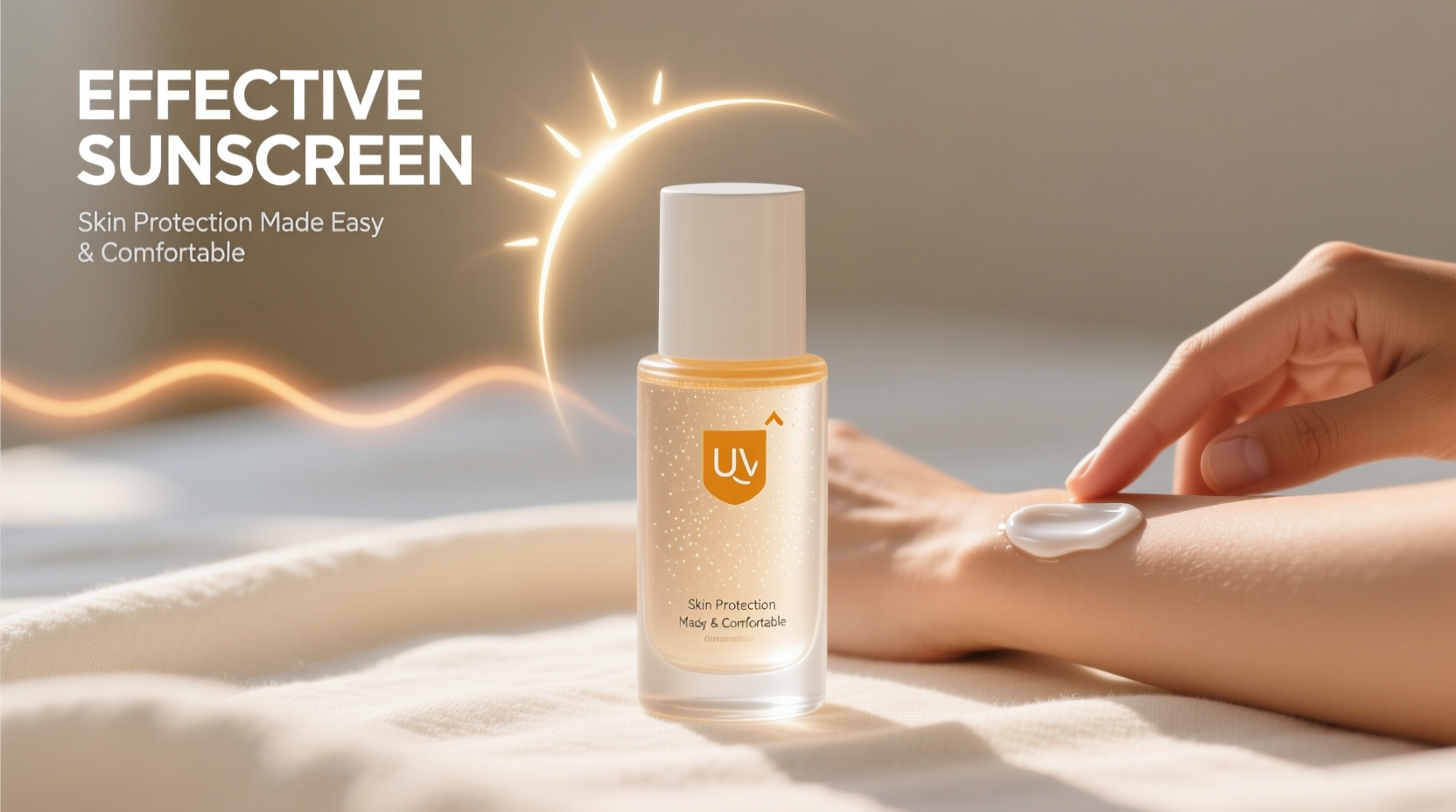
Old-school sunscreens were thick, greasy, and often left skin looking chalky. Many contained high concentrations of chemical filters like oxybenzone, which some users found irritating. Today’s best sunscreens use advanced formulations—combining mineral and chemical filters, incorporating antioxidants, and leveraging textures that absorb instantly. These innovations mean you can get broad-spectrum protection (UVA and UVB) without sacrificing comfort.
Modern sunscreens now cater to different skin types, lifestyles, and aesthetic preferences. Whether you have oily, dry, sensitive, or acne-prone skin, there's a formula designed to work seamlessly into your routine. The key is knowing what to look for and how to integrate protection without friction.
What Makes a Sunscreen “Effective”?
An effective sunscreen does more than just block UV rays—it stays on, feels good, and fits into daily life. Here are the core criteria:
- Broad-spectrum coverage: Protects against both UVA (aging) and UVB (burning) rays.
- SPF 30 or higher: SPF 30 blocks about 97% of UVB rays; higher SPFs offer marginally more protection but must be reapplied equally.
- Water resistance: Essential for outdoor activity or humid climates, though reapplication is still required after swimming or sweating.
- Stable formulation: Doesn’t degrade quickly in sunlight or separate in heat.
- Pleasant user experience: Lightweight, fast-absorbing, non-comedogenic, and compatible with other skincare or makeup.
“Sunscreen adherence improves dramatically when the product feels invisible. Comfort isn’t a luxury—it’s a compliance tool.” — Dr. Lena Torres, Board-Certified Dermatologist
Top Types of Comfortable, Effective Sunscreens
Not all sunscreens are created equal. Understanding the differences helps you choose one that works with your skin—not against it.
1. Chemical (Organic) Sunscreens
These absorb UV radiation and convert it into heat. Modern versions use filters like avobenzone, octinoxate, and newer compounds such as Mexoryl SX and Tinosorb S, which are photostable and less likely to cause irritation.
Ideal for: Daily wear, under makeup, normal to dry skin.
2. Mineral (Physical) Sunscreens
Contain zinc oxide or titanium dioxide, which sit on the skin and reflect UV light. New micronized and transparent versions eliminate the dreaded white cast.
Ideal for: Sensitive skin, children, post-procedure skin.
3. Hybrid Sunscreens
Combine mineral and chemical filters for balanced protection and texture. Often lightweight and cosmetically elegant.
Ideal for: Most skin types seeking high protection without heaviness.
Tip: If you wear makeup, apply sunscreen at least 60 seconds before foundation to prevent pilling.How to Choose the Right Formula for Your Lifestyle
Your ideal sunscreen depends on your skin type, environment, and daily routine. Below is a guide to help match protection with practicality.
| Skin Type | Recommended Type | Texture Tips | Product Example |
|---|---|---|---|
| Oily/Acne-Prone | Oil-free, non-comedogenic chemical or hybrid | Matte finish, gel or fluid texture | La Roche-Posay Anthelios Clear Skin Oil Free SPF 60 |
| Dry | Hydrating formula with ceramides or hyaluronic acid | Cream or lotion with emollients | CeraVe Hydrating Mineral Sunscreen SPF 30 |
| Sensitive | Mineral-based, fragrance-free | Non-nano zinc oxide, soothing ingredients | Farmacy Green Screen SPF 30 |
| Melanin-Rich Skin | Transparent or tinted mineral/hybrid | Avoids white cast; blends easily | Coleman Chan Beauty Shield SPF 35 (tinted) |
| Outdoor/Active | Water-resistant (80 min), sweat-proof | Sticky or resilient film-forming agents | Supergoop! Play Everyday Lotion SPF 50 |
Real-World Application: A Day in the Life
Meet Jamie, a 32-year-old office worker who commutes by bike and spends most of her day indoors. She used to skip sunscreen because past formulas made her face shiny and caused breakouts. After switching to a lightweight hybrid sunscreen with a matte finish, she noticed immediate improvements: no midday oiliness, fewer breakouts, and no interference with her light makeup routine. Even on cloudy days, she applies it without hesitation—because it feels like nothing. Over two years, her skin shows less redness, fewer dark spots, and a more even tone. Her dermatologist credits consistent sun protection as the cornerstone of her improved skin health.
Jamie’s story reflects a broader trend: when sunscreen feels effortless, people actually use it.
Step-by-Step Guide to Building a Seamless Sunscreen Habit
- Assess your skin type and concerns. Is it oily? Dry? Prone to irritation? This determines your ideal base.
- Pick a formula that fits your routine. Morning-only use? Choose something lightweight. Outdoor job? Prioritize water resistance.
- Apply correctly. Use 1/4 teaspoon for the face (about two finger lengths). Don’t forget ears, neck, and hands.
- Layer properly. Apply after moisturizer but before makeup. Allow 60 seconds to absorb.
- Reapply when needed. Every two hours if outdoors, or after sweating, swimming, or wiping your face.
- Store wisely. Keep away from direct sunlight and extreme heat (like a hot car), which can degrade active ingredients.
Common Misconceptions About Sunscreen
Despite widespread availability, myths persist:
- “I don’t need sunscreen on cloudy days.” Up to 80% of UV rays penetrate cloud cover.
- “My foundation has SPF, so I’m covered.” Most people don’t apply enough foundation to achieve labeled SPF protection.
- “Darker skin doesn’t need sunscreen.” While melanin offers some natural protection, all skin tones are susceptible to UV damage and skin cancer.
- “Sunscreen prevents vitamin D synthesis.” Brief incidental sun exposure (10–15 minutes a few times a week) is usually sufficient for vitamin D needs.
Expert Insight on Long-Term Benefits
“Daily sunscreen use is the single most effective anti-aging intervention we have. It prevents DNA damage, reduces hyperpigmentation, and maintains collagen integrity.” — Dr. Rajiv Mehta, Clinical Research Dermatologist
Frequently Asked Questions
Can I use the same sunscreen on my face and body?
You can, but facial sunscreens are typically formulated to be lighter, non-comedogenic, and less likely to irritate the eyes. Body sunscreens may be thicker or contain fragrances unsuitable for the face.
How much sunscreen should I use each day?
For the face and neck, aim for 1/4 teaspoon or two finger-length strips. For full-body coverage, use about one ounce (a shot glass full).
Are mineral sunscreens safer than chemical ones?
Both are considered safe and effective. Mineral sunscreens are less likely to irritate sensitive skin, while modern chemical filters are rigorously tested and stable. The FDA continues to evaluate safety data, but no conclusive evidence currently discourages use of approved chemical filters in adults.
Final Checklist: Choosing & Using Sunscreen Effectively
- ✅ Broad-spectrum protection (UVA/UVB)
- ✅ SPF 30 or higher
- ✅ Suitable for your skin type (non-comedogenic, fragrance-free if needed)
- ✅ Cosmetically elegant (no white cast, no pilling)
- ✅ Applied every morning, rain or shine
- ✅ Reapplied every two hours during extended outdoor exposure
- ✅ Stored properly (away from heat and sunlight)
Make Sun Protection Effortless
The best sunscreen is the one you’ll actually use every day. Thanks to advances in skincare science, you no longer have to choose between protection and comfort. From featherlight fluids to tinted mineral shields, today’s top formulas deliver powerful defense without compromise. By selecting a product tailored to your skin and lifestyle, you turn sun protection from a chore into a seamless part of self-care. Start today—your future skin will thank you.
💬 Found a sunscreen you love? Share your go-to formula in the comments and help others discover their perfect match!








