
The hairline is one of the most overlooked areas in skincare, yet it’s a common hotspot for acne and discoloration. Hairline spots—often appearing as small red bumps, blackheads, or post-inflammatory hyperpigmentation—can stem from product buildup, sweat, hormonal shifts, or improper cleansing. Left unmanaged, they can escalate into persistent breakouts. The good news: with targeted care and consistent habits, these spots are both treatable and preventable.
Understanding Hairline Acne and Spots
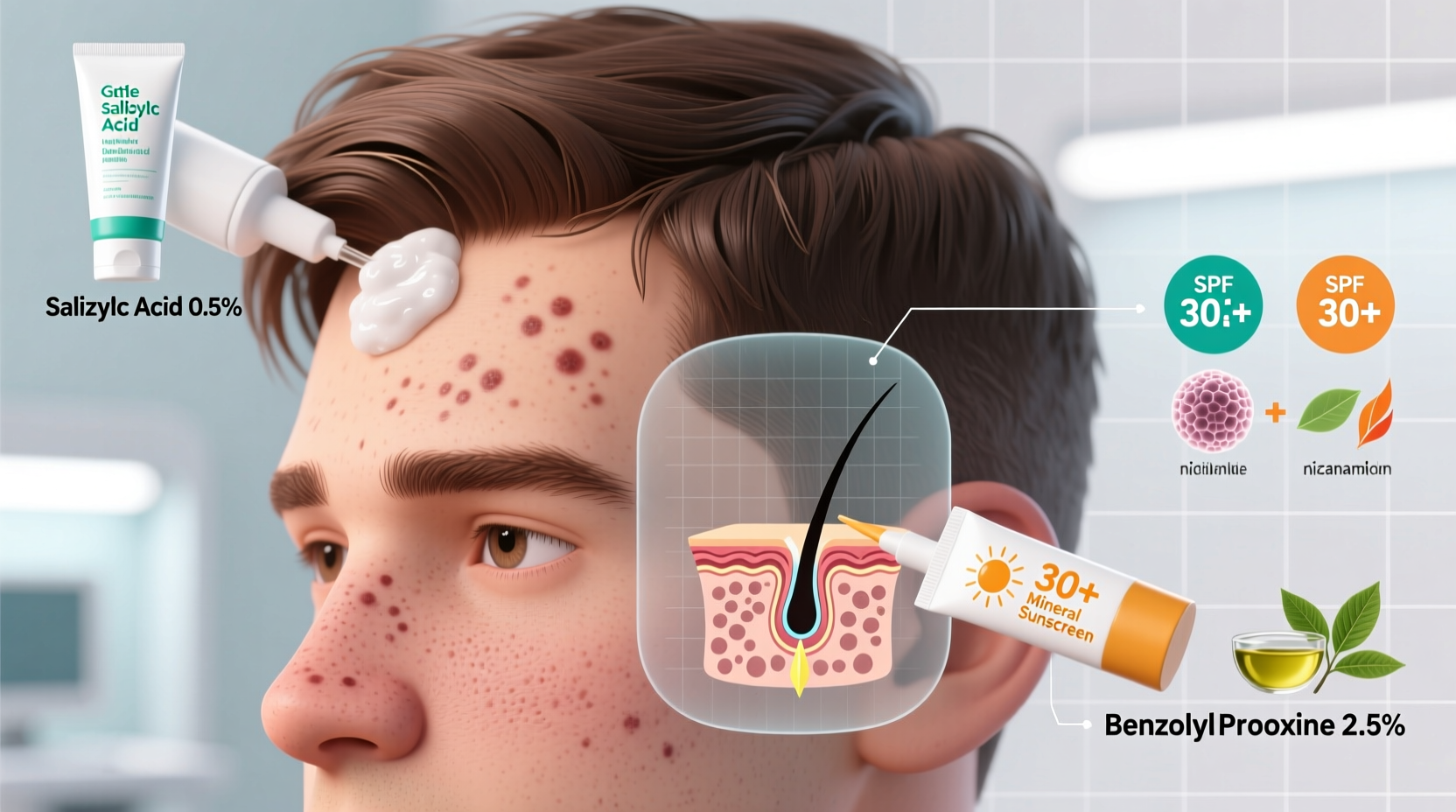
Hairline spots typically fall into two categories: inflammatory acne (papules, pustules) and non-inflammatory blemishes (blackheads, whiteheads). The root causes often include:
- Product residue: Heavy hair gels, pomades, and oils migrate onto the forehead during wear or sleep.
- Poor cleansing: Incomplete removal of dirt, oil, and makeup along the hairline.
- Sweat and friction: Wearing hats, headbands, or helmets traps moisture and bacteria.
- Hormonal fluctuations: Especially around menstruation or stress spikes.
- Dandruff or scalp psoriasis: Flakes and yeast (like Malassezia) can irritate nearby skin.
Because the skin at the hairline is delicate and often exposed to multiple aggressors, treating it requires a balance between efficacy and gentleness.
Tip: After applying styling products, use a clean tissue to gently blot excess residue near your hairline to reduce transfer.Step-by-Step Guide to Removing Existing Hairline Spots
Clearing current breakouts involves exfoliation, anti-inflammatory ingredients, and careful hygiene. Follow this five-step routine for best results over 4–6 weeks:
- Double cleanse nightly: Start with an oil-based cleanser to dissolve makeup and sebum, followed by a gentle foaming cleanser containing salicylic acid (0.5–2%) or benzoyl peroxide (2.5%). Focus on the hairline without scrubbing aggressively.
- Apply targeted treatments: Use a spot treatment with either salicylic acid (for clogged pores) or tea tree oil (for inflammation) directly on affected areas. Apply only at night to avoid photosensitivity.
- Exfoliate 2–3 times weekly: Use a chemical exfoliant with glycolic or lactic acid to promote cell turnover. Avoid physical scrubs that may worsen irritation.
- Hydrate and repair: Follow with a lightweight, non-comedogenic moisturizer to support the skin barrier. Look for ingredients like niacinamide or ceramides.
- Monitor progress: Track changes weekly. If no improvement occurs after six weeks, consider consulting a dermatologist.
“Treating hairline acne isn’t just about what you put on your face—it’s also about managing what comes from your hair.” — Dr. Lena Torres, Board-Certified Dermatologist
Prevention Strategies for Long-Term Clarity
Once existing spots fade, maintaining a clear hairline depends on proactive habits. Prevention is more sustainable than repeated treatment.
Adjust Your Hair Care Routine
Switch to non-comedogenic, water-based hair products. Avoid heavy silicones like dimethicone and mineral oil, which can clog pores when transferred. Opt for labels marked “won’t clog pores” or “oil-free.”
Wash Hats and Headwear Regularly
Fabric items that touch your forehead accumulate oil, sweat, and bacteria. Wash caps, headbands, and pillowcases every 3–4 days using fragrance-free detergent to minimize irritation.
Keep Hair Off Your Face When Sweating
After workouts or hot weather, rinse your face or wipe your hairline with a micellar water-soaked pad. Sweat mixed with product residue creates a breeding ground for acne-causing bacteria.
Tip: Tie back long hair during exercise or on humid days to reduce contact and oil transfer.Do’s and Don’ts: Hairline Skincare Table
| Do | Don't |
|---|---|
| Use non-comedogenic hair products | Apply thick pomades near the hairline |
| Wash pillowcases twice weekly | Sleep with styling products in your hair |
| Cleanse thoroughly every evening | Pick or squeeze hairline spots |
| Use sunscreen formulated for acne-prone skin | Use comedogenic SPF formulas |
| Consult a dermatologist for recurring issues | Ignore signs of fungal acne or dandruff |
Real Example: A Case of Pomade-Induced Breakouts
Maria, a 28-year-old hairstylist, struggled with persistent tiny bumps along her hairline for months. She used a popular edge-control gel daily and washed her face with a basic cleanser. Despite trying several acne creams, her condition didn’t improve. Upon visiting a dermatologist, she was diagnosed with pomade acne—a form of cosmetic acne caused by occlusive hair products migrating into pores.
Her treatment plan included switching to a water-based styling gel, double-cleansing each night, and applying a topical retinoid three times a week. Within eight weeks, her hairline cleared significantly. The key turning point? Recognizing that her profession required frequent product use, so prevention—not elimination—was essential. She now keeps travel-sized micellar wipes at work to cleanse her forehead after long shifts.
Checklist: Maintain a Clear Hairline
Use this checklist weekly to stay on track:
- ☐ Double-cleanse face every night
- ☐ Check hair products for comedogenic ingredients
- ☐ Wash pillowcases and hats regularly
- ☐ Apply non-comedogenic sunscreen daily
- ☐ Exfoliate hairline 2–3 times per week
- ☐ Avoid touching forehead throughout the day
- ☐ Replace old sponges, brushes, and applicators monthly
- ☐ Monitor scalp health; treat dandruff early
FAQ
Can shampoo cause acne along the hairline?
Yes. Some shampoos contain sulfates, silicones, or fragrances that may irritate facial skin or clog pores when rinsed over the forehead. Consider using a gentle, sulfate-free formula and tilt your head back fully when washing to minimize contact.
Is it safe to use acne treatments near the scalp?
Certain treatments like salicylic acid and low-dose benzoyl peroxide are generally safe if applied only to the skin, not directly onto thick hair. However, strong retinoids or high-concentration acids should be used cautiously to avoid dryness or irritation where scalp meets skin.
How long does it take to see improvement?
With consistent care, most people notice visible improvement within 4 to 6 weeks. Complete clearance may take up to 8–12 weeks, especially if fungal elements or hormonal factors are involved.
Final Thoughts and Call to Action
Your hairline deserves the same attention as the rest of your face. By identifying triggers, adopting a thoughtful routine, and making simple adjustments to your hair and lifestyle habits, you can eliminate stubborn spots and keep breakouts at bay. Remember, consistency beats intensity—gentle, daily care yields better long-term results than aggressive fixes.
Start tonight: review your current hair products, wash your pillowcase, and double-cleanse with attention to the hairline. Small steps lead to clear skin. Share your journey or ask questions in the comments—your experience might help someone else achieve the same clarity.
💬 Have a tip that worked for your hairline acne? Join the conversation below and help others build healthier skincare habits!








