
A persistent burning sensation in the feet can be more than just a minor annoyance—it can interfere with daily activities, disrupt sleep, and signal underlying health issues. Whether triggered by prolonged standing, nerve damage, or poor circulation, burning feet demand attention. The good news is that most cases can be managed effectively with targeted interventions. Understanding the causes and applying proven relief and prevention techniques can restore comfort and improve quality of life.
Understanding the Causes of Burning Feet
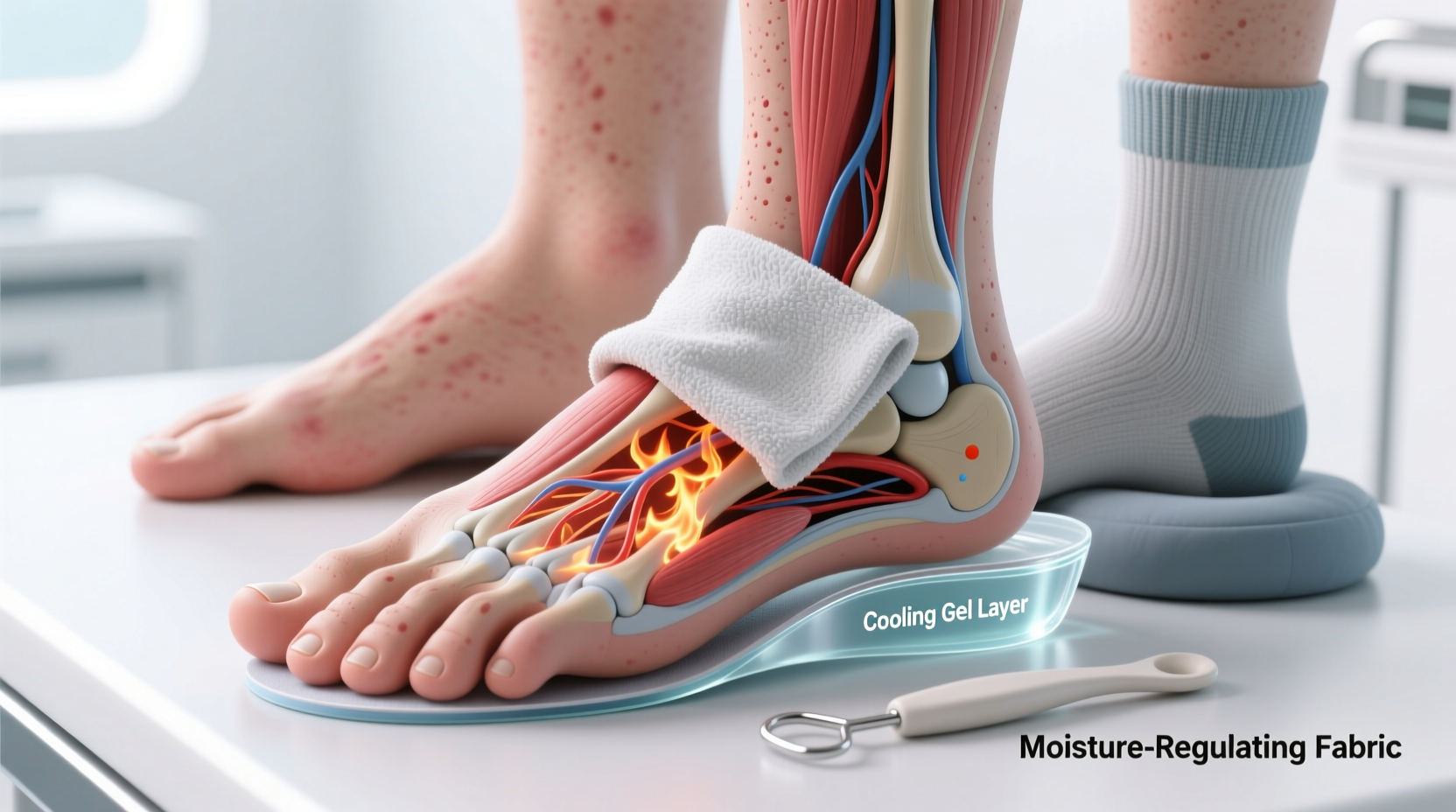
Burning feet are often a symptom rather than a standalone condition. Common causes include:
- Peripheral neuropathy: Often linked to diabetes, this nerve damage commonly starts in the feet and presents as burning, tingling, or numbness.
- Poor circulation: Reduced blood flow, especially in those with vascular conditions, can lead to a warm or burning sensation.
- Fungal infections: Athlete’s foot (tinea pedis) causes itching, redness, and a burning feeling between toes or on soles.
- Overuse or pressure: Standing for long periods, wearing tight shoes, or intense physical activity can inflame nerves and tissues.
- Vitamin deficiencies: Low levels of B vitamins—especially B12, B6, and B1—are associated with nerve dysfunction.
- Hormonal changes: Conditions like hypothyroidism or menopause can contribute to temperature dysregulation in extremities.
Because symptoms overlap across conditions, proper diagnosis is essential. Persistent or worsening burning should prompt consultation with a healthcare provider.
Tip: Keep a symptom journal noting when the burning occurs, its intensity, and any triggers like footwear or activity.Immediate Relief Strategies for Burning Feet
When the sensation strikes, quick action can reduce discomfort and prevent escalation. These methods offer rapid, accessible relief:
- Cool water soaks: Immerse feet in cool (not icy) water for 15–20 minutes. Adding Epsom salts may help soothe irritated skin and reduce inflammation.
- Elevate your legs: Raising your feet above heart level improves venous return and reduces swelling-related pressure on nerves.
- Apply menthol-based creams: Topical agents with menthol or camphor create a cooling sensation that temporarily overrides the burning signal.
- Switch footwear: Remove constricting shoes immediately. Opt for breathable, wide-toe box styles to reduce friction and heat buildup.
- Use cold compresses: Wrap an ice pack in a thin cloth and apply to the soles for 10-minute intervals to calm nerve activity.
Avoid direct ice contact with skin, which can worsen nerve irritation. Similarly, excessive heat from heating pads should be avoided, as it may intensify inflammation.
Long-Term Prevention and Daily Habits
Sustainable comfort comes from consistent lifestyle adjustments. Incorporating these habits reduces recurrence and supports overall foot health:
| Habit | Benefit | How to Implement |
|---|---|---|
| Daily foot inspection | Early detection of cuts, blisters, or fungal signs | Check soles, heels, and between toes each evening |
| Maintain blood sugar control | Prevents diabetic neuropathy progression | Monitor levels regularly; follow medical advice |
| Wear moisture-wicking socks | Reduces fungal growth and overheating | Choose wool or synthetic blends over cotton |
| Stay hydrated | Supports circulation and nerve function | Aim for 8 glasses of water daily |
| Regular low-impact exercise | Boosts circulation and nerve resilience | Walk, swim, or cycle for 30 minutes most days |
“Patients who manage their footwear and monitor foot health daily see up to 70% fewer flare-ups of burning sensations.” — Dr. Alan Reyes, Podiatrist and Neuropathy Specialist
Step-by-Step Guide to Managing Burning Feet at Home
Follow this structured routine to address and minimize discomfort over time:
- Evening Foot Wash (Daily): Use lukewarm water and mild soap. Dry thoroughly, especially between toes.
- Inspect for Changes (Daily): Look for redness, cracks, swelling, or unusual calluses.
- Moisturize (Nightly): Apply a urea- or shea butter-based cream to prevent dry, cracked skin—but avoid between toes to deter fungus.
- Nerve-Soothing Massage (3x/week): Use fingertips to gently massage soles in circular motions to stimulate circulation.
- Foot Exercises (Daily): Flex and point toes, rotate ankles, and pick up small towels with toes to maintain mobility and nerve engagement.
- Review Footwear (Monthly): Replace worn-out shoes and ensure proper arch support and fit.
- Schedule Check-Ups (Every 6 Months): Especially important for diabetics or those with chronic conditions.
Mini Case Study: Managing Diabetic Neuropathy
Martha, a 58-year-old teacher with type 2 diabetes, began experiencing burning feet after standing during long school hours. Initially dismissing it as fatigue, she noticed the sensation persisted at night and started affecting her sleep. After consulting her doctor, she was diagnosed with early-stage peripheral neuropathy.
Her care plan included tighter glucose monitoring, switching to supportive diabetic shoes, daily foot inspections, and a nightly routine of cool soaks and moisturizing. Within eight weeks, her symptoms reduced significantly. By incorporating regular walking and B-complex supplements under medical guidance, Martha regained confidence in her foot health and prevented further nerve deterioration.
This case underscores the importance of early intervention and multidimensional management.
Do’s and Don’ts: Quick Reference Checklist
To reinforce best practices, here’s a concise checklist:
| Do’s | Don’ts |
|---|---|
| Wear properly fitted, breathable shoes | Ignore persistent burning lasting more than a week |
| Keep feet clean and dry | Use hot water to soak burning feet |
| Trim toenails straight across | Walk barefoot in public areas |
| Manage chronic conditions like diabetes | Self-treat suspected fungal infections without confirmation |
| Stay active with low-impact movement | Smoke—nicotine impairs circulation |
Frequently Asked Questions
Can stress cause burning feet?
While stress doesn’t directly cause burning feet, it can exacerbate symptoms through increased muscle tension, poor circulation, and heightened nerve sensitivity. Stress management techniques like deep breathing or meditation may help reduce perceived discomfort.
Is burning feet a sign of poor circulation?
Yes, inadequate blood flow can lead to a burning or heavy sensation, often accompanied by cold feet, discoloration, or cramping. If you notice these signs, especially during activity, consult a vascular specialist.
Are there specific vitamins that help with nerve-related burning?
Vitamin B1 (thiamine), B6, and B12 are critical for nerve health. Deficiencies in these nutrients are linked to neuropathy. A balanced diet rich in whole grains, eggs, leafy greens, and lean meats—or supplements under medical supervision—can support nerve function.
Take Control of Your Foot Health Today
Burning feet don’t have to be a constant burden. With the right combination of immediate relief tactics, preventive habits, and medical awareness, most people can significantly reduce or eliminate discomfort. The key lies in consistency—daily foot care, appropriate footwear, and proactive health management compound over time into lasting relief.
💬 Your feet carry you every day—return the favor. Start implementing one new habit today, and share your experience or questions in the comments to support others on the same journey.








