
Maintaining a healthy Body Mass Index (BMI) is more than a number on a scale—it's a reflection of your metabolic health, cardiovascular risk, and long-term well-being. While BMI has its limitations, it remains a widely used indicator for assessing whether a person’s weight falls within a healthy range relative to their height. The goal isn’t just to lower or raise BMI, but to do so in a way that enhances energy, strength, and resilience. Sustainable improvements come not from quick fixes, but from consistent, science-backed habits that support lasting change.
Understanding BMI and Its Role in Health
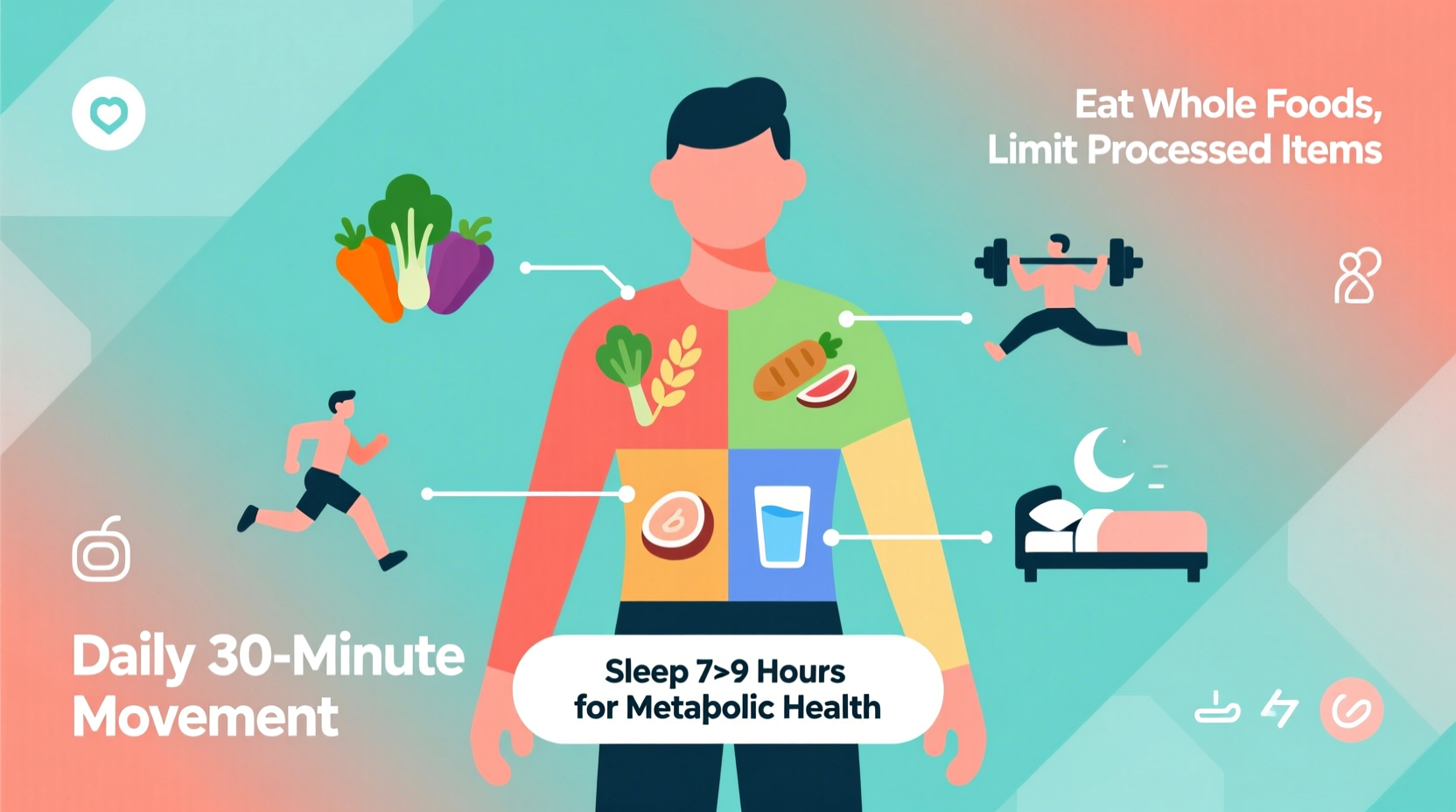
BMI is calculated by dividing your weight in kilograms by the square of your height in meters. It categorizes individuals into underweight, normal weight, overweight, and obese ranges. Though it doesn't directly measure body fat or account for muscle mass, it correlates strongly with other health indicators like blood pressure, cholesterol levels, and insulin sensitivity.
A high BMI—especially in the overweight or obese category—is linked to increased risks of type 2 diabetes, heart disease, sleep apnea, and certain cancers. Conversely, being underweight can lead to weakened immunity, osteoporosis, and hormonal imbalances. The aim should be to reach and maintain a BMI in the \"normal\" range (18.5–24.9) through balanced, health-focused behaviors rather than extreme dieting or overexercising.
“Focusing solely on BMI can be misleading, but when combined with waist circumference, fitness level, and metabolic markers, it becomes a valuable tool for guiding health improvement.” — Dr. Lena Patel, Preventive Medicine Specialist
Nutrition: Build a Sustainable Eating Plan
Diet plays the most significant role in managing BMI. However, success lies not in restriction, but in nourishment. Prioritize whole, minimally processed foods that provide sustained energy and satiety.
- Eat a variety of vegetables and fruits—aim for at least five servings daily.
- Choose lean proteins such as chicken, fish, legumes, and tofu to preserve muscle during weight loss.
- Incorporate complex carbohydrates like oats, quinoa, sweet potatoes, and brown rice for steady glucose release.
- Include healthy fats from avocados, nuts, seeds, and olive oil to support hormone balance and fullness.
- Limit added sugars, refined grains, and ultra-processed snacks that spike insulin and promote fat storage.
Sample Daily Meal Framework
| Meal | Healthy Options |
|---|---|
| Breakfast | Greek yogurt with berries and chia seeds; oatmeal with almond butter and banana |
| Lunch | Grilled chicken salad with mixed greens, avocado, and vinaigrette; lentil soup with whole-grain bread |
| Dinner | Baked salmon with roasted Brussels sprouts and quinoa; stir-fried tofu with broccoli and brown rice |
| Snacks | Apple with peanut butter; handful of almonds; carrot sticks with hummus |
Movement: Integrate Exercise Into Your Lifestyle
Physical activity is essential for improving BMI and overall health. It helps burn calories, build lean muscle, and enhance metabolic efficiency. The best exercise routine is one you can stick with long-term.
Aim for at least 150 minutes of moderate-intensity aerobic activity per week—such as brisk walking, cycling, or swimming—combined with two days of strength training. Resistance exercises like lifting weights or bodyweight workouts increase muscle mass, which raises resting metabolic rate and improves body composition even if the scale doesn’t move dramatically.
- Start with manageable goals: 20-minute walks three times a week.
- Gradually increase duration and intensity as fitness improves.
- Incorporate functional movements—squats, lunges, push-ups—that build practical strength.
- Use everyday opportunities: take stairs, walk during phone calls, park farther away.
Real Example: Mark’s Journey to Better Health
Mark, a 42-year-old office worker, had a BMI of 31 and struggled with fatigue and joint pain. Instead of drastic dieting, he began walking 20 minutes during lunch five days a week and replaced sugary soda with water. Over six months, he added two weekly strength sessions using resistance bands at home. He lost 18 pounds, reduced his BMI to 27, and reported better sleep and focus. His doctor noted improved blood pressure and cholesterol—proof that small, consistent actions create meaningful change.
Sleep, Stress, and Mindset: The Hidden Influencers
Weight management isn’t just about food and exercise. Chronic stress and poor sleep disrupt hormones like cortisol and ghrelin, increasing appetite and promoting abdominal fat storage. Adults should aim for 7–9 hours of quality sleep per night.
To support restful sleep and emotional balance:
- Establish a regular bedtime and wake-up time, even on weekends.
- Limit screen exposure one hour before bed.
- Practice mindfulness, deep breathing, or light stretching to manage stress.
- Avoid late-night eating, especially high-carb or spicy foods.
Actionable Checklist for Improving BMI
Use this checklist to guide your daily choices and stay on track:
- ✅ Eat at least 3 servings of vegetables per day
- ✅ Drink 6–8 glasses of water daily
- ✅ Walk or move for at least 30 minutes most days
- ✅ Perform strength exercises twice a week
- ✅ Get to bed by 11 PM consistently
- ✅ Avoid sugary beverages and processed snacks
- ✅ Monitor portion sizes using hand-measuring cues (e.g., palm-sized protein, fist-sized carbs)
- ✅ Schedule a yearly physical to track BMI, blood work, and vital signs
Frequently Asked Questions
Is BMI an accurate measure of health?
BMI is a useful screening tool but not definitive. It may misclassify muscular individuals as overweight and overlook visceral fat in people with normal BMI. For a fuller picture, combine BMI with waist measurement, fitness level, and lab results.
Can I improve my health without changing my BMI?
Absolutely. Increasing physical activity, improving diet quality, and reducing stress yield health benefits—even if weight stays the same. This concept, known as “health at every size,” emphasizes behavior over numbers.
How quickly should I aim to lose weight?
A safe, sustainable rate is 1–2 pounds per week. Faster loss often leads to muscle loss and rebound gain. Focus on gradual changes that become permanent habits.
Conclusion: Small Steps, Lasting Results
Improving your BMI isn’t about perfection—it’s about progress. By making thoughtful choices around food, movement, sleep, and mindset, you lay the foundation for lifelong health. These strategies don’t require expensive programs or extreme measures. They rely on consistency, self-awareness, and compassion for your body.
The journey to a healthier BMI begins with one decision: to prioritize your well-being. Start today—with a walk, a glass of water, or a moment of mindfulness. Each positive choice compounds over time, leading to stronger health, greater energy, and improved confidence.
🚀 Ready to take charge of your health? Pick one strategy from this article and commit to it for the next 30 days. Share your goal in the comments or with a friend—accountability makes all the difference.








