
Acne breakouts are frustrating enough, but the lingering red or dark marks they leave behind—often called post-inflammatory hyperpigmentation (PIH)—can be just as distressing. Unlike scars, which involve permanent changes in skin texture, these red marks are temporary discolorations caused by inflammation. The good news is that with the right approach, most can fade significantly within weeks to months. Achieving clear, even-toned skin doesn’t require extreme measures; it demands consistency, patience, and a science-backed skincare strategy.
Understanding Post-Acne Redness
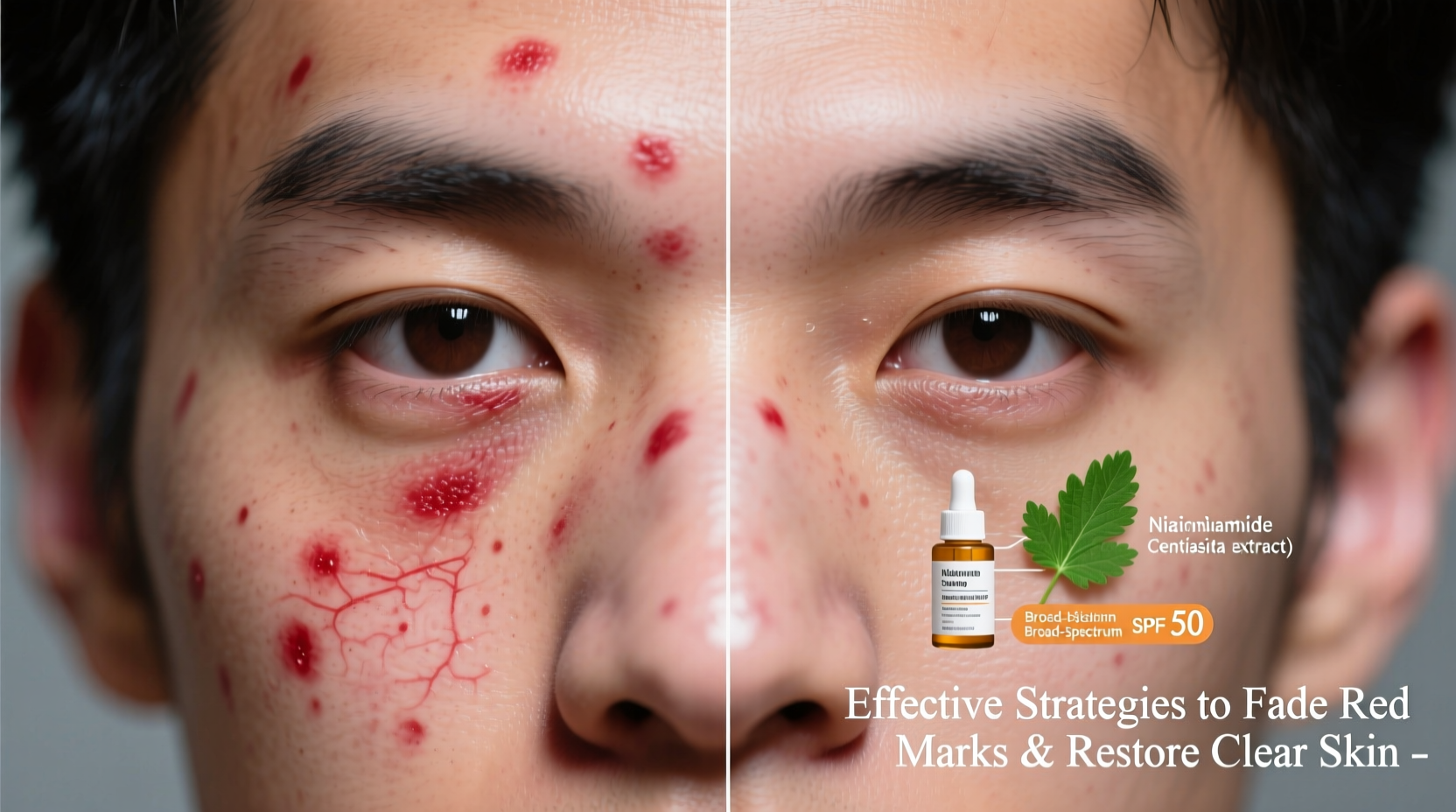
When a pimple forms, the body sends immune cells to the area, triggering inflammation. This process increases blood flow and stimulates melanin production, resulting in red, pink, purple, or brown spots after the blemish heals. These marks are more common in individuals with lighter skin tones (appearing red or pink) and deeper in those with medium to darker complexions (appearing brown or gray).
While not dangerous, post-acne redness can affect self-confidence and take time to resolve without intervention. Factors such as sun exposure, picking at pimples, and using irritating products can prolong healing. Addressing the root causes of inflammation while supporting skin repair is key to fading marks efficiently.
“Post-inflammatory erythema and hyperpigmentation are treatable conditions. Early intervention with gentle actives and sun protection dramatically improves outcomes.” — Dr. Lena Patel, Board-Certified Dermatologist
Top 5 Ingredients That Fade Acne Marks
Certain skincare ingredients have been clinically shown to accelerate the fading of post-acne discoloration by reducing inflammation, promoting cell turnover, or inhibiting excess pigment production. Incorporating them into your routine—with proper caution—can yield visible results over time.
- Niacinamide (Vitamin B3): Reduces inflammation, evens skin tone, and strengthens the skin barrier. Studies show 4–5% concentrations improve redness and pigmentation in 8–12 weeks.
- Vitamin C (L-ascorbic acid): A potent antioxidant that brightens skin and inhibits melanin synthesis. Use in the morning under sunscreen for best results.
- Azelaic Acid: Naturally reduces redness and has mild exfoliating properties. Particularly effective for those with sensitive or acne-prone skin.
- Alpha Hydroxy Acids (AHAs): Glycolic and lactic acids gently exfoliate the top layer of skin, helping shed discolored cells. Limit use to 2–3 times per week to avoid irritation.
- Retinoids (Over-the-counter or prescription): Speed up cell turnover and prevent clogged pores. Start slowly to minimize dryness and sensitivity.
Step-by-Step Routine to Fade Red Marks
A structured daily routine maximizes ingredient efficacy while protecting the skin’s natural balance. Follow this timeline for optimal results over 8–12 weeks.
- Weeks 1–2: Build Tolerance
Introduce one active at a time. Begin with niacinamide serum every evening. Cleanse gently, moisturize, and apply broad-spectrum SPF 30+ every morning. - Weeks 3–4: Add Exfoliation
Introduce lactic acid 2 nights per week (e.g., Monday and Thursday). Continue niacinamide on alternate nights. Monitor for dryness or irritation. - Weeks 5–8: Boost Cell Turnover
Add a low-concentration retinol (0.1%–0.3%) twice weekly. Alternate with exfoliants (never combine). Maintain hydration with ceramide-rich moisturizers. - Weeks 9–12: Evaluate Progress
Assess improvement in redness and texture. Consider adding vitamin C in the AM if tolerated. Discontinue any product causing persistent redness or peeling.
Do’s and Don’ts for Healing Acne Marks
| Do’s | Don’ts |
|---|---|
| Wear sunscreen daily—even indoors or on cloudy days | Use harsh scrubs or physical exfoliators on healing skin |
| Be patient—most marks take 6–12 weeks to fade | Pick or squeeze active breakouts |
| Keep skin hydrated with non-comedogenic moisturizers | Layer multiple strong actives at once |
| Treat active acne to prevent new marks | Forget to reapply sunscreen after sweating or swimming |
| Consult a dermatologist if no progress after 3 months | Expect overnight results |
Real Example: Sarah’s Journey to Clearer Skin
Sarah, 27, struggled with recurring hormonal acne along her jawline. After each breakout healed, she was left with stubborn red patches that wouldn’t fade despite using various brightening creams. Frustrated, she consulted a dermatologist who diagnosed post-inflammatory erythema and recommended a simplified regimen.
She began using a 5% niacinamide serum nightly, paired with a gentle cleanser and SPF 50 every morning. After four weeks, she introduced azelaic acid three times a week. Within ten weeks, her redness had reduced by an estimated 70%. “I didn’t realize how much sunscreen mattered,” she said. “Once I started wearing it religiously, the marks started fading faster than ever before.”
Essential Checklist for Fading Acne Marks
Follow this actionable checklist to stay on track and maximize results:
- ☑ Use a gentle, pH-balanced cleanser twice daily
- ☑ Apply a niacinamide or azelaic acid serum every evening
- ☑ Incorporate vitamin C serum in your morning routine
- ☑ Exfoliate with AHA 2–3 times per week (avoid combining with retinoids)
- ☑ Apply retinoid 1–2 nights per week, increasing gradually
- ☑ Moisturize daily with a fragrance-free, non-comedogenic formula
- ☑ Wear broad-spectrum SPF 30+ every single day
- ☑ Avoid touching or picking at active breakouts
- ☑ Reassess progress monthly and adjust products if needed
- ☑ Schedule a dermatology consultation if marks persist beyond 12 weeks
Frequently Asked Questions
How long does it take for acne red marks to fade?
Most post-inflammatory redness fades within 3 to 6 months with consistent care. Using targeted ingredients like niacinamide and protecting skin from UV exposure can shorten this timeline to 6–12 weeks. Deeper pigmentation may take longer, especially without treatment.
Can sunscreen really help fade acne marks?
Yes. Sun exposure triggers melanocytes (pigment-producing cells), worsening discoloration and prolonging healing. Daily use of broad-spectrum sunscreen prevents UV-induced darkening and supports the skin’s natural recovery process. Skipping sunscreen can undo progress made with active ingredients.
Are natural remedies like lemon juice or apple cider vinegar effective?
No. While popular online, acidic home remedies like lemon juice are highly irritating and can damage the skin barrier, leading to increased redness and even chemical burns. Stick to evidence-based ingredients with proven safety and efficacy profiles.
Final Thoughts: Consistency Is Key
Fading red marks from acne isn’t about finding a miracle cure—it’s about building a sustainable, intelligent skincare routine grounded in science. The most effective strategies combine targeted treatments with protective habits, especially daily sun protection. Progress may feel slow at first, but steady application of the right ingredients makes a measurable difference over time.
Everyone’s skin responds differently, so listen to yours. If irritation occurs, scale back and focus on barrier repair before reintroducing actives. And remember: preventing new breakouts is just as important as treating existing marks. By managing acne at its source, you stop new red spots before they start.
💬 Ready to transform your skin? Start tonight by adding one proven ingredient—like niacinamide—and commit to daily sunscreen. Small steps lead to lasting clarity. Share your journey or questions in the comments below.








