
Chin acne is one of the most persistent and frustrating types of breakouts. Unlike occasional forehead or nose blemishes, chin spots often recur in the same areas, triggered by hormonal shifts, improper skincare, or environmental stressors. What makes them particularly challenging is that they’re frequently deep, inflamed, and slow to heal. But consistent, informed care can significantly reduce their frequency and severity. The key lies in understanding the root causes and implementing a targeted approach that combines topical treatments, lifestyle habits, and long-term prevention.
Understanding Why Chin Acne Happens
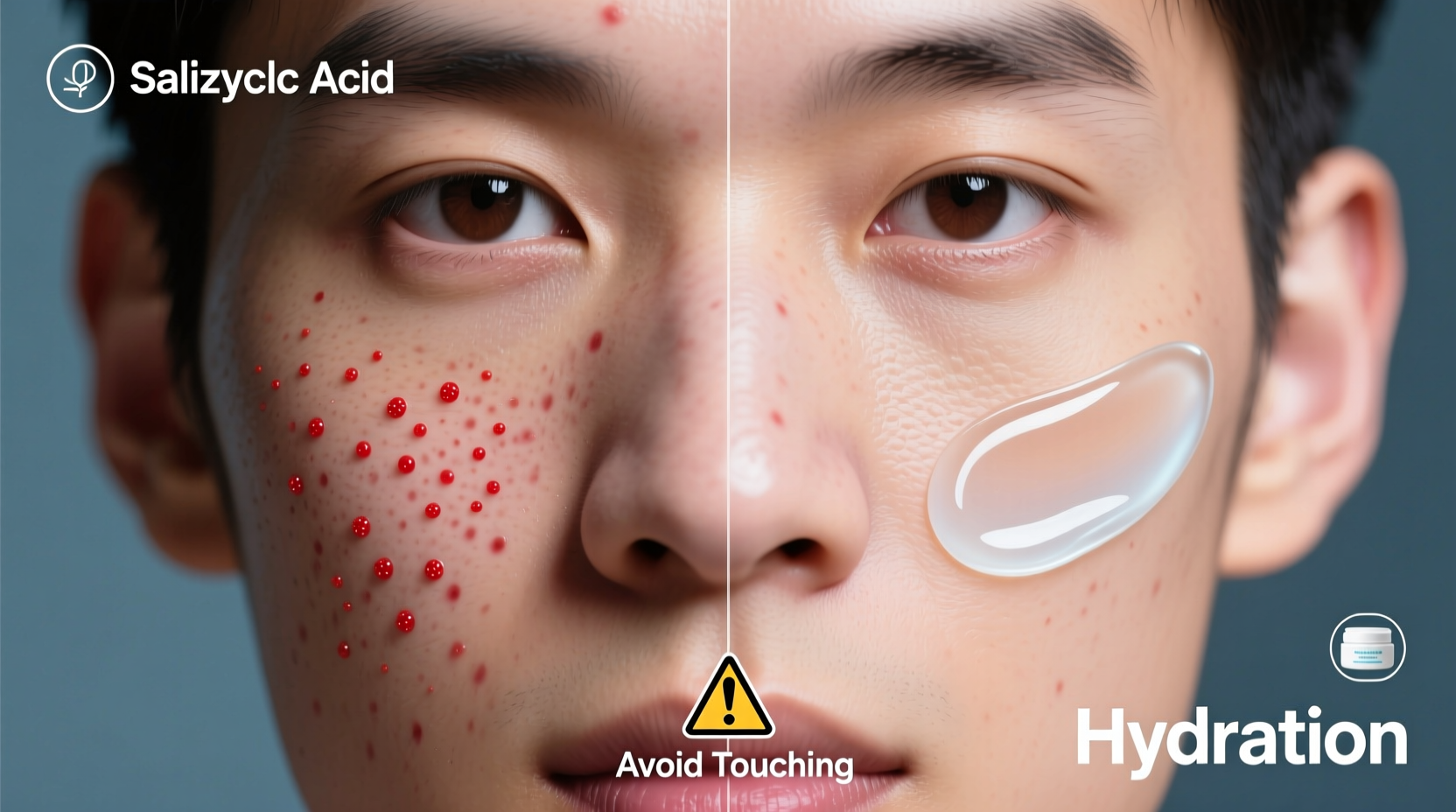
The chin sits within the “hormonal acne zone,” an area commonly affected by fluctuations in androgens like testosterone. These hormones stimulate sebum (oil) production in the skin’s sebaceous glands. When excess oil combines with dead skin cells and bacteria—particularly Propionibacterium acnes—it clogs pores and triggers inflammation. This process leads to papules, pustules, or deeper nodules beneath the skin.
Several factors contribute specifically to chin breakouts:
- Hormonal changes: Common during menstrual cycles, pregnancy, or conditions like PCOS.
- Touching the face: Transferring bacteria from hands, phones, or hair.
- Diet: High-glycemic foods and dairy may exacerbate acne in some individuals.
- Skincare products: Comedogenic (pore-clogging) ingredients in moisturizers or makeup.
- Stress: Increases cortisol, which can stimulate oil production.
“Hormonal acne on the lower face, especially the chin, tends to be deeper and more cystic. Topical treatments alone aren’t always enough—systemic balance matters.” — Dr. Lena Torres, Board-Certified Dermatologist
Step-by-Step Guide to Clearing Existing Chin Spots
Treating active breakouts requires a gentle but effective routine. Aggressive scrubbing or over-drying the skin can worsen inflammation. Follow this five-step timeline for optimal results:
- Cleanse twice daily with a salicylic acid or benzoyl peroxide face wash (0.5%–2%). Focus on the chin without scrubbing harshly.
- Apply a targeted treatment containing either benzoyl peroxide (kills bacteria), salicylic acid (exfoliates inside pores), or adapalene (a retinoid that regulates cell turnover).
- Hydrate with a non-comedogenic moisturizer to maintain the skin barrier. Dehydrated skin produces more oil as compensation.
- Use sunscreen daily. Many acne treatments increase sun sensitivity. Choose an oil-free, matte-finish SPF 30+.
- Avoid picking or squeezing. This increases the risk of scarring and pushes infection deeper into the tissue.
Prevention Strategies That Work Long-Term
Clearing existing spots is only half the battle. Preventing recurrence demands consistency and awareness. Here are proven methods to keep chin acne at bay:
- Wash pillowcases every 3–4 days to remove accumulated oils, sweat, and bacteria.
- Keep your phone clean with alcohol wipes; it touches your chin frequently and harbors germs.
- Switch to non-comedogenic makeup and skincare, especially foundations and lip balms that migrate onto the chin.
- Manage stress through mindfulness or exercise; high cortisol levels correlate with increased breakouts.
- Track your cycle if breakouts align with your period. This helps anticipate flare-ups and adjust treatment preemptively.
Checklist: Daily Prevention Habits
Daily Chin Acne Prevention Checklist:- ✅ Wash face morning and night
- ✅ Apply acne treatment to chin area
- ✅ Use oil-free moisturizer
- ✅ Apply sunscreen
- ✅ Avoid touching face
- ✅ Wipe down phone screen
- ✅ Change pillowcase regularly
Do’s and Don’ts: Skincare Habits for Chin Health
| Do | Don’t |
|---|---|
| Use products labeled \"non-comedogenic\" | Use heavy creams or oils near the chin |
| Be patient—most treatments take 4–8 weeks | Overuse exfoliants or spot treatments |
| Seek medical advice for persistent cystic acne | Pop or pick at deep bumps |
| Stay hydrated and eat balanced meals | Consume excessive dairy or sugary foods regularly |
Real Example: How Sarah Reduced Her Monthly Chin Breakouts
Sarah, a 28-year-old graphic designer, struggled with recurring chin acne for years. She noticed a pattern: every month, about five days before her period, two painful bumps would appear on her lower chin. Over-the-counter creams provided minimal relief, and she often picked at them out of frustration.
After consulting a dermatologist, she made several changes:
- She started using an over-the-counter adapalene gel nightly, three days before her expected breakout window.
- Switched to a fragrance-free, non-comedogenic moisturizer.
- Began washing her pillowcase twice a week and cleaning her phone daily.
- Reduced dairy intake after reading studies linking milk consumption to acne.
Within two months, her premenstrual chin spots became smaller and less frequent. By the third month, they rarely appeared. Sarah now uses this preventive protocol monthly and reports feeling more confident and in control of her skin.
Frequently Asked Questions
Can hormonal birth control help with chin acne?
Yes, for many women, certain oral contraceptives can regulate hormone fluctuations that trigger chin breakouts. Birth control pills containing both estrogen and progestin are FDA-approved for acne treatment. However, consult a healthcare provider to determine suitability based on your medical history.
Is it safe to use multiple acne treatments at once?
Combining too many active ingredients—like benzoyl peroxide, salicylic acid, and retinoids—can cause dryness, redness, and irritation. Start with one treatment and introduce others gradually. If using more than one, apply them at different times of day (e.g., benzoyl peroxide in the morning, retinoid at night).
Why do I get spots right after shaving my chin?
Shaving can irritate the skin, spread bacteria, and cause ingrown hairs that mimic acne. Use a clean razor, shave in the direction of hair growth, and follow with a soothing, alcohol-free toner. Consider switching to an electric razor if irritation persists.
When to See a Dermatologist
While mild to moderate chin acne can often be managed at home, severe or cystic acne may require professional intervention. Signs you should seek medical help include:
- Painful, deep nodules that don’t come to a head
- Scarring or dark marks left behind after healing
- Breakouts that persist despite consistent treatment for 8–12 weeks
- Suspected hormonal imbalance (e.g., irregular periods, excess facial hair)
Treatment options from a dermatologist may include prescription topicals (like tretinoin), oral antibiotics, spironolactone (an anti-androgen medication), or cortisone injections for immediate relief of large cysts.
Final Thoughts: Consistency Is Key
Clearing chin spots isn’t about finding a miracle product—it’s about building a sustainable routine grounded in science and self-awareness. The most effective strategies combine gentle cleansing, targeted treatments, and lifestyle adjustments that support overall skin health. Progress may be gradual, but with patience and discipline, noticeable improvement is achievable.
💬 Ready to take control of your skin? Start tonight: wash your pillowcase, apply a pea-sized amount of acne treatment to your chin, and commit to one small change tomorrow. Share your journey or questions in the comments—your experience could help someone else break the cycle of chin breakouts.








