Tonsil stones—also known as tonsilloliths—are small, calcified formations that develop in the crevices of the tonsils. While typically harmless, they can cause discomfort, bad breath, and a persistent sensation of something lodged in the back of the throat. For many, the experience is both embarrassing and frustrating. The good news is that most cases can be managed effectively at home with simple, non-invasive methods. Understanding how tonsil stones form and knowing the safest removal techniques can make a significant difference in comfort and oral health.
Understanding Tonsil Stones: Causes and Symptoms
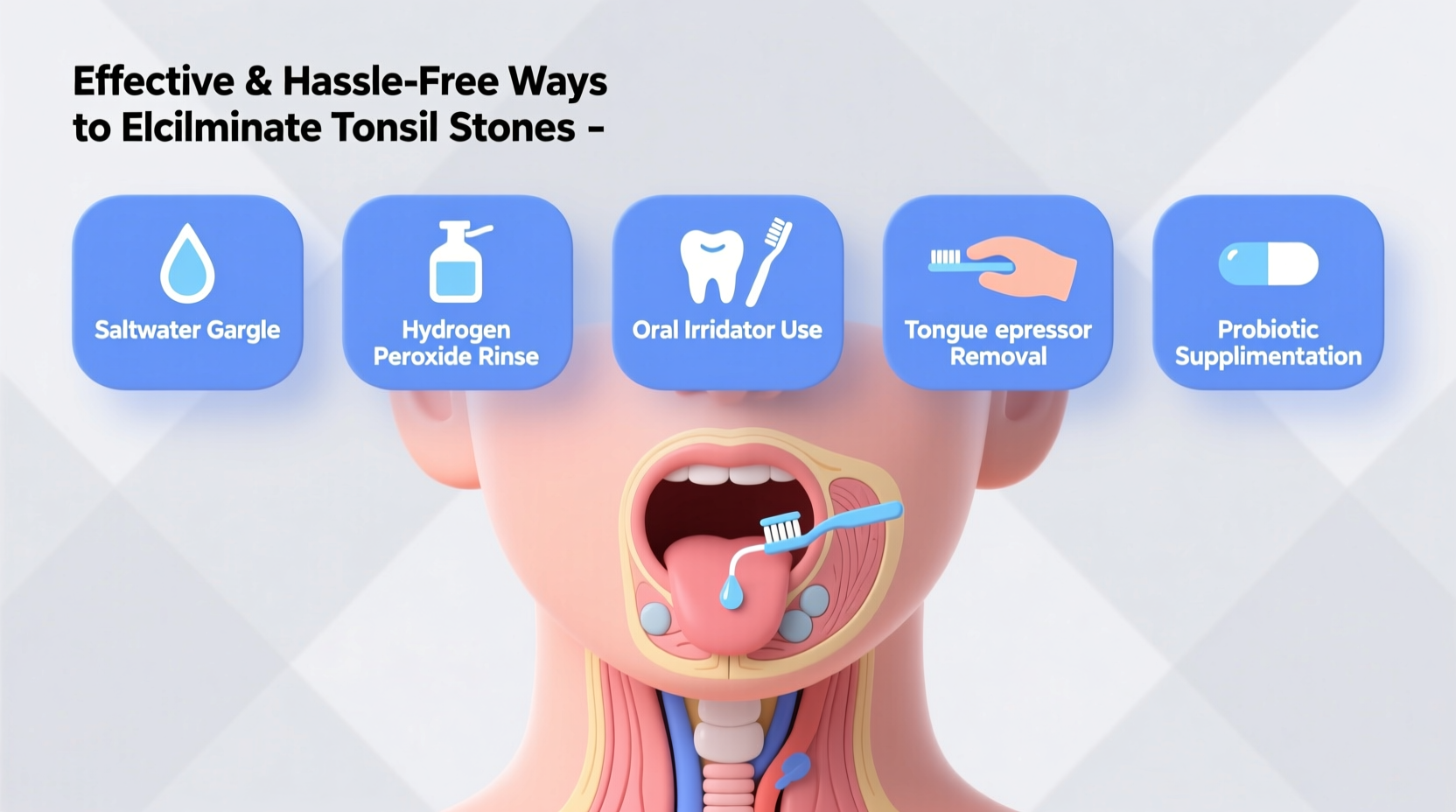
Tonsil stones form when debris such as food particles, dead cells, mucus, and bacteria become trapped in the tonsillar crypts—the small pockets and folds in the surface of the tonsils. Over time, this material calcifies due to mineral deposits from saliva, creating hard, often foul-smelling lumps.
Common symptoms include:
- Persistent bad breath (halitosis)
- Sore throat or irritation
- Difficulty swallowing
- A feeling of fullness or obstruction in the throat
- Visible white or yellow specks on the tonsils
- Coughing up small, gritty particles
While anyone can develop tonsil stones, individuals with chronic tonsillitis, large tonsillar crypts, or poor oral hygiene are more prone. Post-nasal drip and dry mouth also increase risk by providing excess mucus and reducing natural cleansing action.
Tip: Gargling after meals helps dislodge food particles before they settle into tonsil crevices.Step-by-Step Guide to Safe Removal at Home
Most tonsil stones can be removed without medical intervention. The key is using gentle techniques to avoid injury or infection. Here’s a practical, step-by-step approach:
- Prepare your tools: Use a clean cotton swab, water pick, or sterilized tweezers. Wash your hands thoroughly.
- Use proper lighting: Stand in front of a mirror with a flashlight or phone light to clearly see the back of your throat.
- Locate the stone: Look for white or yellowish spots near the tonsil folds. You may feel it before seeing it.
- Gently press: If using a cotton swab, apply light pressure around the stone to push it out laterally—not directly into the tonsil tissue.
- Rinse afterward: Gargle with warm salt water or an alcohol-free mouthwash to reduce bacteria and soothe irritation.
For deeper or less accessible stones, a low-pressure water flosser set to “soft” mode can flush them out gently. Aim the stream carefully toward the affected area while leaning over a sink.
“Patients often try aggressive poking, which increases the risk of bleeding or infection. Gentle irrigation is safer and more effective.” — Dr. Lena Patel, Otolaryngologist
Effective Prevention Strategies
Preventing recurrence is just as important as removing existing stones. A consistent oral care routine significantly reduces the likelihood of new formations.
Daily Habits That Work
- Brush and floss twice daily: This removes bacteria and food debris before they migrate to the tonsils.
- Clean your tongue: Use a tongue scraper every morning to eliminate bacterial buildup.
- Gargle regularly: Rinse with salt water or antimicrobial mouthwash after meals and before bed.
- Stay hydrated: Drinking plenty of water keeps the mouth moist and helps wash away debris.
- Manage post-nasal drip: Treat allergies or sinus issues promptly to reduce mucus accumulation.
Do’s and Don’ts When Dealing With Tonsil Stones
| Do’s | Don’ts |
|---|---|
| Gargle with warm salt water daily | Use sharp objects like pins or toothpicks |
| Use a soft-bristled toothbrush on tonsil area | Forcefully cough or hack to dislodge stones |
| Stay well-hydrated throughout the day | Ignore recurring stones without consulting a doctor |
| Visit your dentist regularly for cleanings | Share personal items like toothbrushes or eating utensils |
| Use an alcohol-free antibacterial mouthwash | Smoke or use tobacco products, which worsen oral hygiene |
Real Example: How Sarah Resolved Chronic Tonsil Stones
Sarah, a 34-year-old teacher, struggled with recurring tonsil stones for over two years. She experienced persistent bad breath despite brushing multiple times a day, and occasionally felt a sharp pain when swallowing. Embarrassed during staff meetings, she avoided close conversations.
After researching online and consulting her dentist, she implemented a three-part strategy: switching to a tongue scraper, adding twice-daily saltwater gargles, and using a water flosser on the “tonsil setting.” Within three weeks, her symptoms improved dramatically. Over six months, she had no new stones. Her dentist credited the change to consistent oral hygiene and reduced bacterial load.
Sarah now maintains her routine as part of her daily self-care, emphasizing that small habits made the biggest difference.
When to See a Doctor
While most tonsil stones resolve with home care, certain situations require professional attention:
- Stones that are too large or deeply embedded to remove safely
- Frequent recurrence despite preventive measures
- Signs of infection: fever, severe pain, swelling, or pus
- Bleeding after attempted removal
In persistent cases, treatment options include:
- Laser cryptolysis: A procedure that smooths the tonsil surface to reduce crypt depth.
- Tonsillectomy: Surgical removal of the tonsils, usually reserved for chronic, debilitating cases.
- Antibiotics: Occasionally prescribed if bacterial infection is present, though they don’t dissolve stones themselves.
FAQ
Can tonsil stones go away on their own?
Yes, some small stones dislodge naturally through coughing, swallowing, or gargling. However, larger or deeply embedded stones often require manual removal or irrigation.
Are tonsil stones contagious?
No, tonsil stones themselves are not contagious. However, the bacteria contributing to their formation can be transferred through saliva, so avoid sharing utensils or toothbrushes.
Is it safe to use a water flosser for tonsil stones?
Yes, when used correctly. Set the device to the lowest pressure setting and aim the tip carefully toward the stone—not directly at sensitive tissue. Stop if you feel pain or notice bleeding.
Final Checklist: Your Action Plan
- Inspect your tonsils weekly using a mirror and light.
- Gargle with warm salt water after meals and before bed.
- Use a tongue scraper every morning.
- Invest in a low-pressure water flosser for targeted cleaning.
- Stay hydrated—aim for at least 8 glasses of water per day.
- Replace your toothbrush monthly or after each episode.
- Consult an ENT specialist if stones recur frequently or cause pain.
Conclusion
Dealing with tonsil stones doesn’t have to be a constant source of discomfort or embarrassment. With the right knowledge and habits, most people can manage and prevent them effectively at home. Simple practices like daily gargling, proper oral hygiene, and staying hydrated go a long way in keeping your throat clear and breath fresh. For those facing chronic issues, modern treatments offer lasting relief. The key is consistency, gentleness, and knowing when to seek help.
💬 Have a tip that worked for you? Share your experience in the comments and help others find relief from tonsil stones!








