Bulldogs are beloved for their expressive faces, calm demeanor, and loyal personalities. However, their unique physical traits—wrinkled skin, short coats, and predisposition to skin sensitivities—make grooming a delicate task. Choosing the right shampoo is not just about cleanliness; it's about maintaining skin integrity, preventing infections, and supporting overall well-being. Many commercial shampoos contain harsh sulfates, artificial fragrances, and drying agents that can worsen existing conditions like dermatitis or yeast overgrowth. The best shampoo for bulldogs must be both effective in cleaning and exceptionally gentle on their fragile skin barrier.
Understanding Bulldog Skin and Coat Needs
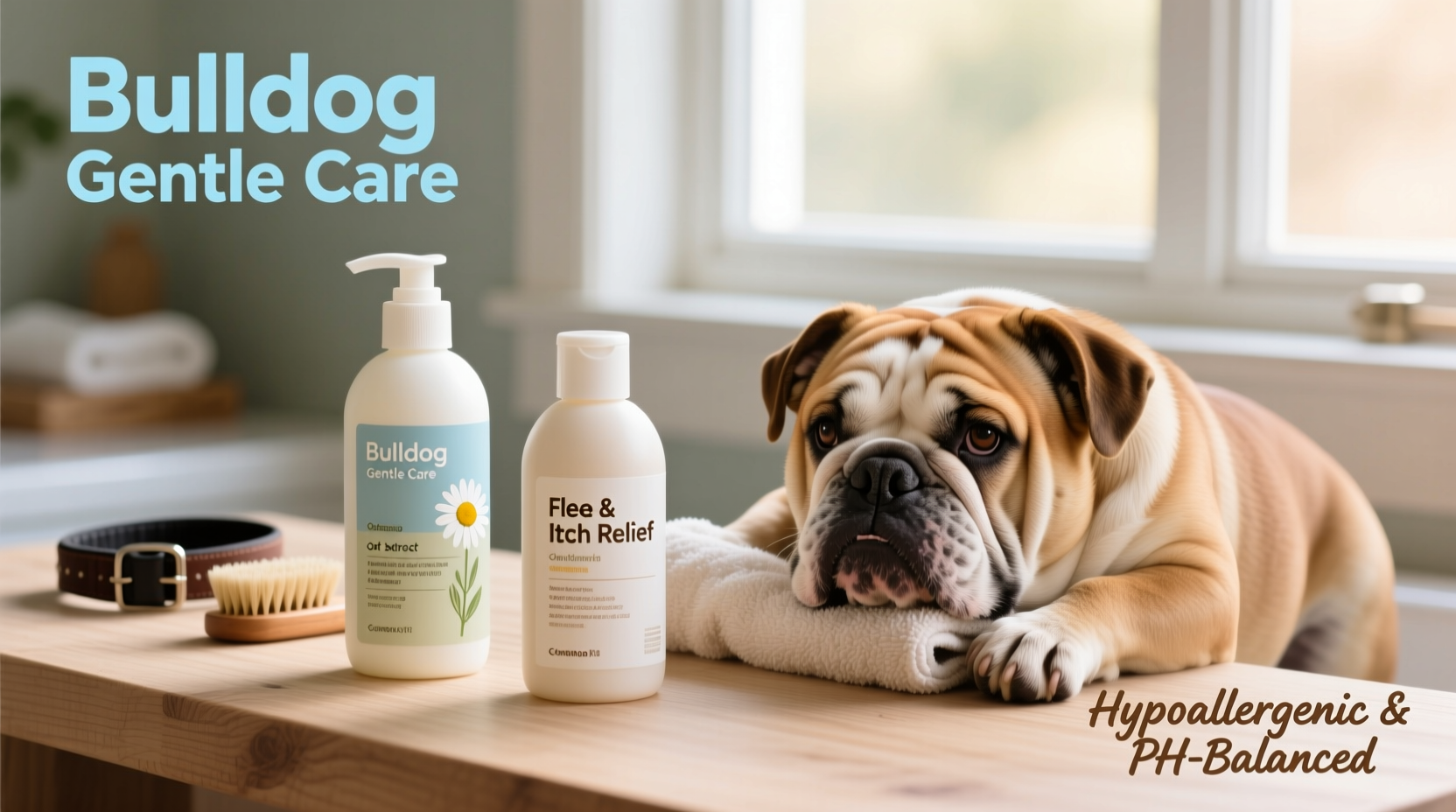
Bulldogs have a single-layer coat that lies close to the skin, offering minimal protection against environmental irritants. Their most distinctive feature—the deep facial and body wrinkles—creates warm, moist environments where bacteria and yeast thrive. Additionally, bulldogs are prone to atopic dermatitis, allergic reactions, and seborrhea, a condition that causes flaky, oily skin. These factors demand a shampoo that cleans without stripping natural oils, soothes inflammation, and supports microbial balance.
Unlike breeds with double coats or water-resistant fur, bulldogs do not require heavy degreasing. Over-washing or using strong detergents can disrupt the skin’s pH, leading to dryness, itching, and secondary infections. A quality shampoo should maintain a slightly acidic pH (around 5.5–7.0), aligning with canine skin biology. It should also avoid common allergens such as parabens, phthalates, and synthetic dyes.
Tip: Clean your bulldog’s facial folds daily with a damp cloth, but use shampoo only during full baths every 4–6 weeks to prevent irritation.Key Ingredients to Look For (and Avoid)
Selecting the best shampoo hinges on ingredient transparency. Not all “natural” labels are trustworthy, and some plant-based components can still trigger reactions in sensitive dogs. Here’s a breakdown of what to prioritize and what to steer clear of.
| Recommended Ingredients | Purpose |
|---|---|
| Oatmeal (colloidal) | Soothes itching and protects the moisture barrier |
| Aloe vera | Hydrates and reduces redness |
| Chamomile extract | Natural anti-inflammatory and calming agent |
| Ceramides | Reinforce the skin’s protective layer |
| Omega-3 fatty acids | Support skin healing and reduce flakiness |
| Ingredients to Avoid | Risks |
|---|---|
| SLS (Sodium Lauryl Sulfate) | Strips natural oils, causes dryness and irritation |
| Artificial fragrances | Common allergens; may trigger respiratory or skin issues |
| Parabens | Potential endocrine disruptors |
| Alcohol (ethanol, isopropyl) | Dries out skin, especially in folds |
| Formaldehyde-releasing preservatives | Irritating and potentially carcinogenic |
“Bulldogs need skincare, not just grooming. Their skin is a frontline defense—and often the first to show signs of imbalance.” — Dr. Lena Torres, DVM, Veterinary Dermatology Specialist
Step-by-Step Guide to Bathing Your Bulldog Safely
Bathing frequency matters as much as product choice. Too often, and you risk compromising the skin barrier; too infrequently, and debris accumulates in the folds. Follow this timeline for optimal results.
- Pre-Bath Prep (Day Before): Gently wipe facial and tail folds with a hypoallergenic pet wipe to loosen grime. This reduces the need for aggressive scrubbing during the bath.
- Brush Lightly: Use a soft rubber brush to remove loose hair and surface dirt. Avoid metal combs that can scratch tender skin.
- Water Temperature: Use lukewarm water—never hot. Test with your inner wrist to ensure comfort.
- Shampoo Application: Dilute shampoo with water (1:4 ratio) to minimize residue. Apply gently, focusing on the back, belly, and undercarriage. Use a cotton ball to clean between folds—do not pour shampoo directly into creases.
- Rinse Thoroughly: Residue is a major cause of irritation. Rinse until the water runs completely clear, especially along the spine and under the legs.
- Drying: Pat dry with a microfiber towel. Then, use a blow dryer on cool setting to reach deep into folds. Moisture left behind invites yeast growth.
- Post-Bath Fold Care: After drying, apply a vet-approved wrinkle balm to create a protective barrier.
Real-World Example: Max’s Skin Transformation
Max, a 3-year-old English Bulldog from Austin, Texas, suffered from chronic chin fold dermatitis. His owner, Sarah, had been using a popular oatmeal-scented dog shampoo weekly, believing it was soothing. Despite regular baths, Max scratched constantly and developed dark, thickened skin around his neck and face.
After consulting a veterinary dermatologist, Sarah switched to a fragrance-free, ceramide-enriched shampoo formulated for sensitive canines. She reduced bathing to once every five weeks and began daily fold cleaning with a saline-moistened cloth. Within two months, Max’s itching decreased significantly, and his skin regained a healthier texture. The vet credited the improvement to both the gentler product and reduced washing frequency.
This case illustrates that even well-intentioned routines can backfire if products aren’t tailored to breed-specific needs.
Top Shampoo Recommendations for Bulldogs
Based on veterinary input, ingredient safety, and customer feedback, these shampoos consistently rank among the best for bulldogs:
- Veterinary Formula Solutions Medicated Shampoo: Contains chlorhexidine and miconazole for dogs with recurring yeast or bacterial issues. Best used under vet guidance.
- Burt’s Bees for Dogs Natural Oatmeal Shampoo: Free of sulfates, colorants, and fragrances. Ideal for routine care and mild sensitivity.
- Aleco Naturals Hypoallergenic Dog Shampoo: Formulated with aloe, chamomile, and vitamin E. Highly rated for reducing flaking and redness.
- Curaseb Chlorhexidine 2% Shampoo: Strong antiseptic action for flare-ups. Not for long-term use but excellent for targeted treatment.
- Earthbath Oatmeal & Aloe Shampoo: Mild, biodegradable formula with a light natural scent. Safe for puppies and senior dogs alike.
Frequently Asked Questions
Can I use baby shampoo on my bulldog?
No. While baby shampoo is milder than adult formulas, it’s still designed for human pH (around 5.5), which differs from canine skin (closer to 7.0). Prolonged use can disrupt the acid mantle and increase infection risk.
How often should I bathe my bulldog?
Every 4 to 6 weeks is sufficient for most bulldogs. Those with active skin conditions may require medicated baths every 7–14 days, as directed by a veterinarian.
Are natural shampoos always safer?
Not necessarily. “Natural” doesn’t equal hypoallergenic. Essential oils like tea tree or citrus can be toxic or irritating to bulldogs. Always check the full ingredient list and consult your vet if unsure.
Final Checklist Before You Buy
Use this checklist to evaluate any shampoo before purchasing:
- ✅ Free of sulfates, parabens, and synthetic fragrances
- ✅ pH-balanced for dogs (ideally between 6.5 and 7.5)
- ✅ Contains soothing ingredients like oatmeal, aloe, or ceramides
- ✅ Recommended by veterinarians or tested on sensitive breeds
- ✅ No alcohol or harsh preservatives
- ✅ Suitable for your dog’s specific condition (e.g., medicated vs. maintenance)
Conclusion
Choosing the best shampoo for bulldogs goes beyond scent or brand reputation—it’s a critical component of their health regimen. With the right product and technique, you can prevent discomfort, reduce vet visits, and enhance your bulldog’s quality of life. Gentle cleansing, proper drying, and consistent fold care form the foundation of a successful grooming routine. Don’t underestimate the impact of a thoughtful choice in shampoo; it can mean the difference between chronic irritation and lasting comfort.
💬 Have a favorite bulldog-safe shampoo or a grooming tip that worked wonders? Share your experience in the comments—your insight could help another bulldog parent find relief.








