
In an increasingly unpredictable world, personal safety has become a priority for many. Whether you're a security professional, a concerned citizen, or someone in a high-risk occupation, the need for reliable protection is real. However, not everyone wants to wear bulky tactical vests that draw attention. This is where concealable body armor comes in—offering life-saving protection while remaining invisible under clothing. The key lies in selecting models that balance effectiveness, comfort, and discretion without compromising on ballistic performance.
Understanding Concealable Body Armor: What Makes It Different?
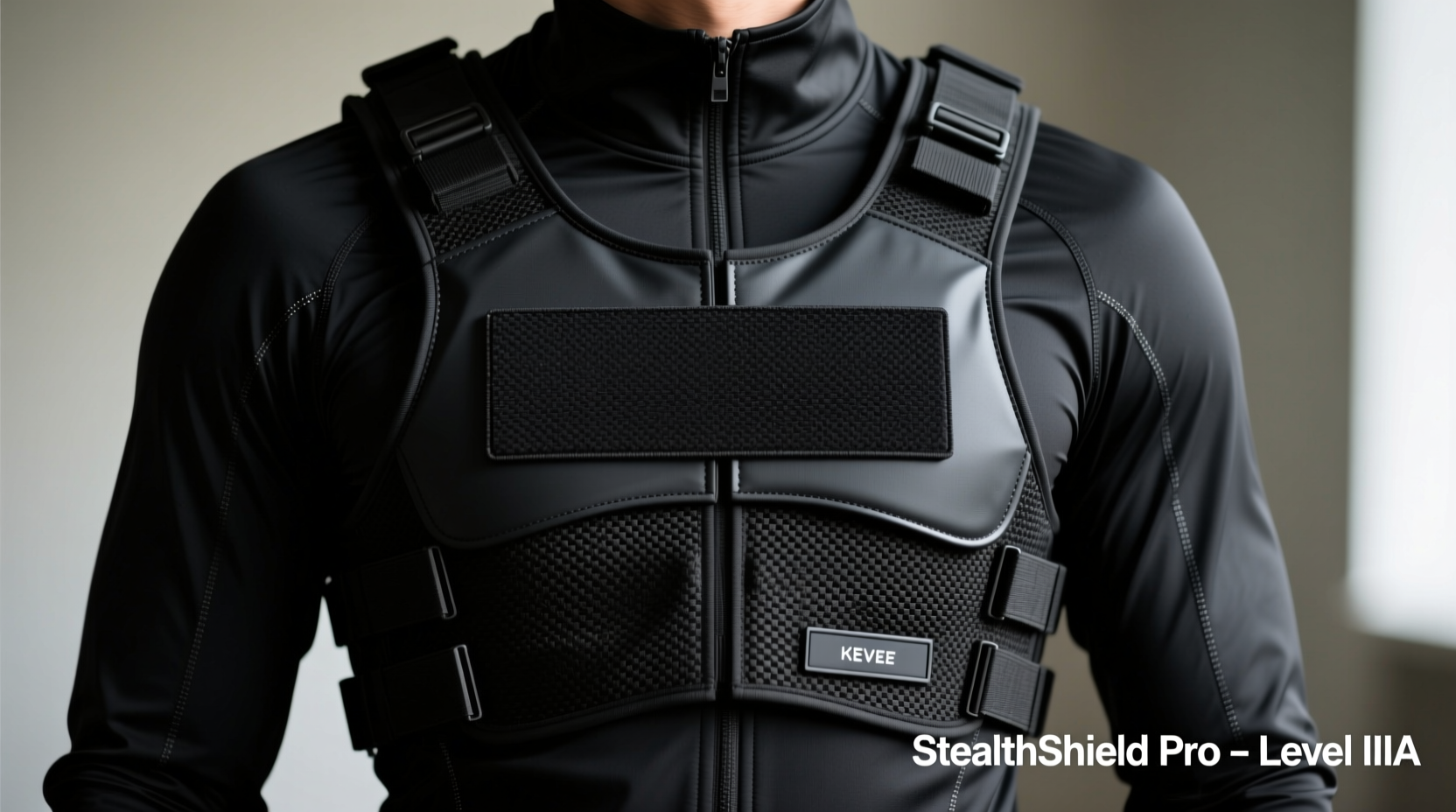
Unlike external tactical vests designed for military or law enforcement use in active scenarios, concealable body armor is engineered to be worn daily beneath regular attire. Its primary purpose is to stop handgun rounds and shrapnel while maintaining a low profile. Most concealable models are soft armor systems made from advanced synthetic fibers such as Kevlar®, Dyneema®, or Twaron®. These materials offer high tensile strength relative to their weight, allowing for thin, flexible panels that can be inserted into carriers or worn directly against the body.
The National Institute of Justice (NIJ) sets standards for ballistic resistance, with Level II and IIIA being most common for concealed wear. Level II stops 9mm and .357 Magnum rounds, while Level IIIA can defeat higher-velocity threats like .44 Magnum. For those needing rifle protection, lightweight hybrid solutions combining soft armor with hard trauma plates exist—but these often sacrifice some concealability due to increased thickness.
Tip: Always verify NIJ certification when purchasing body armor—counterfeit products are prevalent and may fail under threat.Top Features of Effective and Discreet Body Armor
Not all concealable armor is created equal. To ensure both protection and practicality, consider the following design elements:
- Low Profile Design: Armor should be no more than ½ inch thick to avoid printing (visible outline under clothes).
- Breathable Materials: Moisture-wicking fabrics and ventilated carriers prevent overheating during extended wear.
- Flexible Core Panels: Multi-curved stitching and segmented designs conform to the torso for natural movement.
- Weight Distribution: Evenly balanced panels reduce strain on shoulders and lower back.
- Adjustable Carriers: Inner vests with side straps or elastic bands allow custom fit across body types.
Brands like Safariland, Point Blank, and TurtleSkin have led innovation in this space, introducing ultra-thin composites that meet or exceed NIJ standards while remaining wearable under a button-down shirt.
Comparison of Top Concealable Armor Types
| Armor Type | Threat Level | Thickness | Best For |
|---|---|---|---|
| Soft Panel (Kevlar) | II–IIIA | 0.25–0.4 inches | Daily wear, office environments |
| UHMWPE Composite | IIIA | 0.2 inches | Maximum concealment, warm climates |
| Hybrid (Soft + Hard Plate) | III+ (with plate) | 0.8–1.2 inches | High-risk professionals needing rifle defense |
| Women-Specific Cut | II–IIIA | 0.3 inches | Female users seeking anatomical fit |
“Modern concealable armor isn’t just about stopping bullets—it’s about enabling normalcy. If it’s uncomfortable or obvious, people won’t wear it when they need it most.” — Lt. Daniel Reyes, Retired Police Tactical Instructor
Real-World Application: A Security Consultant’s Routine
James L., a private security advisor based in Chicago, wears concealable armor nearly every day. His role involves close protection work in urban settings where visibility could compromise client safety. He uses a Level IIIA UHMWPE vest from a premium brand, weighing just 2.3 pounds. “I wear it under a polo shirt year-round,” he explains. “In summer, breathability is critical—I choose carriers with mesh lining and take breaks in climate-controlled areas when possible.”
During a recent assignment at a public event, James was positioned near a high-profile speaker. When an individual approached with erratic behavior, law enforcement intervened before escalation. Though no shots were fired, James noted, “Knowing I was protected allowed me to stay focused on situational awareness instead of personal fear.” His experience underscores how effective concealment supports both physical safety and mental readiness.
How to Choose and Wear Concealable Armor Properly
Selecting the right armor is only half the battle. Wearing it correctly ensures maximum benefit. Follow this step-by-step guide:
- Determine Your Threat Level: Assess your environment. Most civilians face handgun threats, making Level IIIA sufficient.
- Measure Your Torso: Use chest, waist, and height measurements to select the correct size. Ill-fitting armor shifts and creates gaps.
- Choose the Right Carrier: Opt for moisture-resistant, breathable fabric. Some models resemble undershirts; others are zip-front for easier dressing.
- Test Under Regular Clothing: Wear the loaded carrier under your typical outfits to check for printing or discomfort.
- Maintain and Inspect Monthly: Look for creases, tears, or water damage. Never fold armor—store flat or rolled loosely.
- Replace After Five Years: Even unused armor degrades due to environmental exposure. Check manufacturer expiration dates.
Frequently Asked Questions
Can I wear concealable body armor through airport security?
Yes, the TSA does not prohibit wearing body armor through checkpoints. However, it may trigger additional screening if detected. You are not required to disclose its presence, but cooperating with agents can expedite the process.
Is concealable armor suitable for women?
Absolutely. Several manufacturers produce female-specific cuts with contoured panels that accommodate bust lines and shorter torsos. These improve comfort and reduce shifting during movement.
Does concealable armor protect against knives?
Standard soft armor stops bullets but not edged weapons. For slash or spike resistance, look for models rated with VPAM or NIJ stab standards. These incorporate chainmail-like layers or rigid composites.
Essential Checklist Before Purchase
- ☑ Confirmed NIJ 0101.06 certification (not expired)
- ☑ Meets your required threat level (typically IIIA for concealed use)
- ☑ Fits properly around chest, shoulders, and waist
- ☑ Compatible with your daily wardrobe
- ☑ Includes warranty and manufacturer support
- ☑ Designed for your climate (ventilation vs. insulation needs)
- ☑ From a reputable vendor with transparent sourcing
Final Thoughts: Safety Without Sacrifice
Effective and discreet concealable body armor represents a powerful convergence of technology and personal responsibility. Today’s options allow individuals to maintain their lifestyle while significantly reducing risk. Whether you’re a journalist in a conflict zone, a rideshare driver in a high-crime area, or simply someone who values preparedness, modern armor offers peace of mind without demanding visibility or discomfort.
The best protection is the one you actually wear. By prioritizing fit, certification, and daily usability, you can integrate life-saving gear seamlessly into your routine. Don’t wait for a crisis to evaluate your safety strategy.
💬 Ready to take control of your personal safety? Research certified armor providers, consult fit guides, and invest in a system that works for your life—because being protected shouldn’t mean being noticeable.








