A persistent sensation of fullness or blockage in the ear can be more than just an annoyance—it can affect hearing, balance, and overall comfort. While occasional ear pressure is normal, especially during air travel or colds, ears that remain clogged for days may signal an underlying issue. Understanding the causes, knowing which remedies work, and recognizing red flags can help you respond appropriately and avoid complications.
Common Causes of Prolonged Ear Fullness
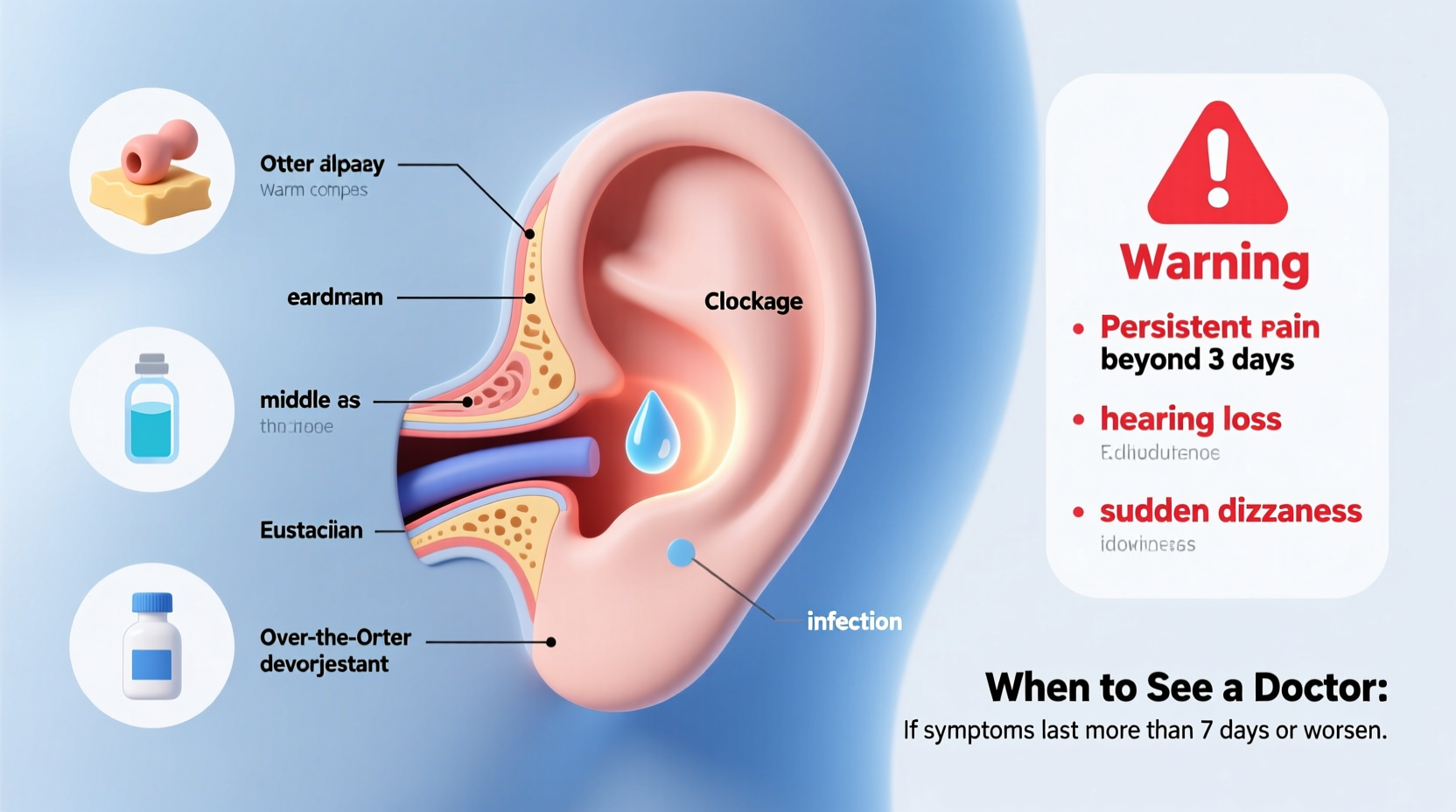
Ears feeling clogged for days typically stem from issues affecting the Eustachian tube, ear canal, or middle ear. These structures regulate pressure and sound transmission. When disrupted, they create a sensation of muffled hearing or fullness.
- Eustachian Tube Dysfunction (ETD): The most frequent cause. The Eustachian tube connects the middle ear to the back of the throat and helps equalize pressure. Allergies, colds, sinus infections, or changes in altitude can inflame or block it, leading to persistent clogging.
- Earwax Impaction: Excess wax buildup can physically block the ear canal, causing fullness, mild hearing loss, and even tinnitus.
- Upper Respiratory Infections: Viral or bacterial infections often cause swelling and fluid accumulation behind the eardrum (otitis media with effusion), prolonging the blocked sensation.
- Allergies: Chronic nasal congestion from seasonal or environmental allergies can impair Eustachian tube function over time.
- Barotrauma: Sudden pressure changes—such as diving, flying, or scuba diving—can injure the eardrum or middle ear if pressure isn’t equalized properly.
- Less Common Causes: Temporomandibular joint (TMJ) disorders, acoustic neuroma (a benign tumor), or Meniere’s disease may also present with ear fullness, though these are usually accompanied by other neurological symptoms.
Effective Home Remedies and Relief Strategies
Many cases of clogged ears resolve on their own within a few days. However, targeted self-care can speed recovery and reduce discomfort.
Natural Pressure Equalization Techniques
These methods help open the Eustachian tubes and restore normal pressure:
- Valsalva Maneuver: Gently pinch your nose, close your mouth, and blow softly. A successful attempt produces a “pop” in the ear. Avoid excessive force to prevent eardrum damage.
- Toynbee Maneuver: Pinch your nose and swallow. This combines pressure regulation with muscle movement to open the tubes.
- Chewing and Yawning: Simple actions that naturally engage muscles connected to the Eustachian tube.
Earwax Management
If wax buildup is suspected, safe at-home softening methods include:
- Drops of mineral oil, baby oil, or over-the-counter cerumenolytics (like Debrox) twice daily for 3–5 days.
- Warm water irrigation using a bulb syringe—only after softening and never with a perforated eardrum.
Nasal and Sinus Support
Since nasal congestion contributes to ETD, addressing it helps relieve ear pressure:
- Nasal saline sprays to moisten passages.
- Steam inhalation or humidifiers to loosen mucus.
- Decongestants (pseudoephedrine) or antihistamines (loratadine) for allergy- or cold-related blockages—use short-term only.
“Most Eustachian tube dysfunction resolves within one to two weeks with conservative care. The key is reducing inflammation and promoting drainage.” — Dr. Lena Patel, Otolaryngologist
When to Worry: Warning Signs That Need Medical Attention
While many ear-clogging episodes are benign, certain symptoms indicate the need for prompt evaluation:
| Symptom | Possible Cause | Action Required |
|---|---|---|
| Severe pain that worsens | Acute otitis media, infection | See a doctor within 24 hours |
| Hearing loss lasting over a week | Fluid buildup, wax impaction, nerve issue | Professional evaluation needed |
| Dizziness or vertigo | Inner ear disorder (e.g., Meniere’s) | Urgent assessment recommended |
| Drainage from the ear (pus, blood) | Ruptured eardrum or infection | Immediate medical attention |
| Tinnitus that persists | Pressure imbalance or cochlear stress | Monitor; consult if worsening |
Ignoring these signs can lead to chronic Eustachian tube dysfunction, permanent hearing changes, or spread of infection.
Case Example: Persistent Blockage After a Cold
Sarah, a 34-year-old teacher, noticed her right ear remained clogged for nine days after recovering from a sinus infection. She tried decongestants and steam without relief. Mild hearing loss began affecting phone calls and classroom instruction. Concerned, she visited her primary care provider, who diagnosed otitis media with effusion—fluid trapped behind the eardrum due to lingering Eustachian tube inflammation. She was prescribed a short course of oral steroids to reduce swelling and advised to continue nasal rinses. Within five days, the pressure resolved and hearing returned to normal.
This case highlights how post-viral ETD can persist beyond the initial illness and why timely intervention matters—especially when symptoms interfere with daily life.
Medical Treatments and Procedures
If home remedies fail after 7–10 days, medical options may include:
- Prescription Nasal Steroids: Fluticasone or mometasone to reduce nasal and Eustachian tube inflammation, especially in allergy-related cases.
- Antibiotics: Only if a bacterial middle ear infection is confirmed—not effective for fluid alone.
- Earwax Removal by a Professional: Microsuction or irrigation performed safely in a clinic.
- Pressure Equalization (PE) Tubes: For chronic or recurrent fluid buildup, small tubes may be placed surgically through the eardrum to allow continuous drainage.
In rare cases, imaging (like a CT scan) may be needed to rule out structural abnormalities or tumors when unilateral (one-sided) fullness persists without clear cause.
Tip: Avoid inserting cotton swabs or sharp objects into the ear. They push wax deeper and risk eardrum injury.Prevention Checklist
Reduce your risk of recurring ear clogs with these proactive steps:
- ✅ Treat allergies promptly with appropriate medication
- ✅ Use filtered earplugs during swimming to prevent water trapping
- ✅ Practice gentle ear hygiene—clean only the outer ear
- ✅ Stay hydrated to keep mucus thin and drainable
- ✅ Use decongestants before flying if prone to ear pressure
- ✅ Manage TMJ issues if jaw pain accompanies ear fullness
Frequently Asked Questions
Can stress cause clogged ears?
Stress doesn’t directly block ears, but it can exacerbate muscle tension in the jaw and neck, potentially affecting Eustachian tube function. Anxiety may also heighten awareness of bodily sensations, making minor fullness feel more pronounced.
How long is too long for clogged ears?
If the sensation lasts more than 7–10 days despite home care, especially with hearing changes or pain, it’s time to consult a healthcare provider. Persistent blockage could indicate unresolved infection, chronic ETD, or another condition needing treatment.
Is it safe to use hydrogen peroxide for earwax?
Hydrogen peroxide-based drops (like carbamide peroxide) are generally safe for softening wax—but only if you don’t have a history of eardrum perforation or ear surgery. Discontinue use if you experience pain, dizziness, or irritation.
Take Action Before It Gets Worse
Clogged ears lasting for days are common but shouldn’t be ignored. Most cases stem from treatable conditions like Eustachian tube dysfunction or wax buildup, and early action prevents complications. Start with safe home techniques, monitor symptoms closely, and don’t hesitate to seek professional help when warning signs appear. Your hearing and comfort are worth protecting.
💬 Have you experienced prolonged ear fullness? What helped you recover? Share your story in the comments to support others navigating the same challenge.