Ear pain that originates from inside the ear can range from mild discomfort to severe, debilitating pain. While occasional earaches are common—especially in children—persistent or intense pain may signal an underlying condition requiring medical attention. Understanding the root causes, recognizing red flags, and knowing when to consult a healthcare provider are essential steps toward effective relief and long-term ear health.
Common Causes of Internal Ear Pain
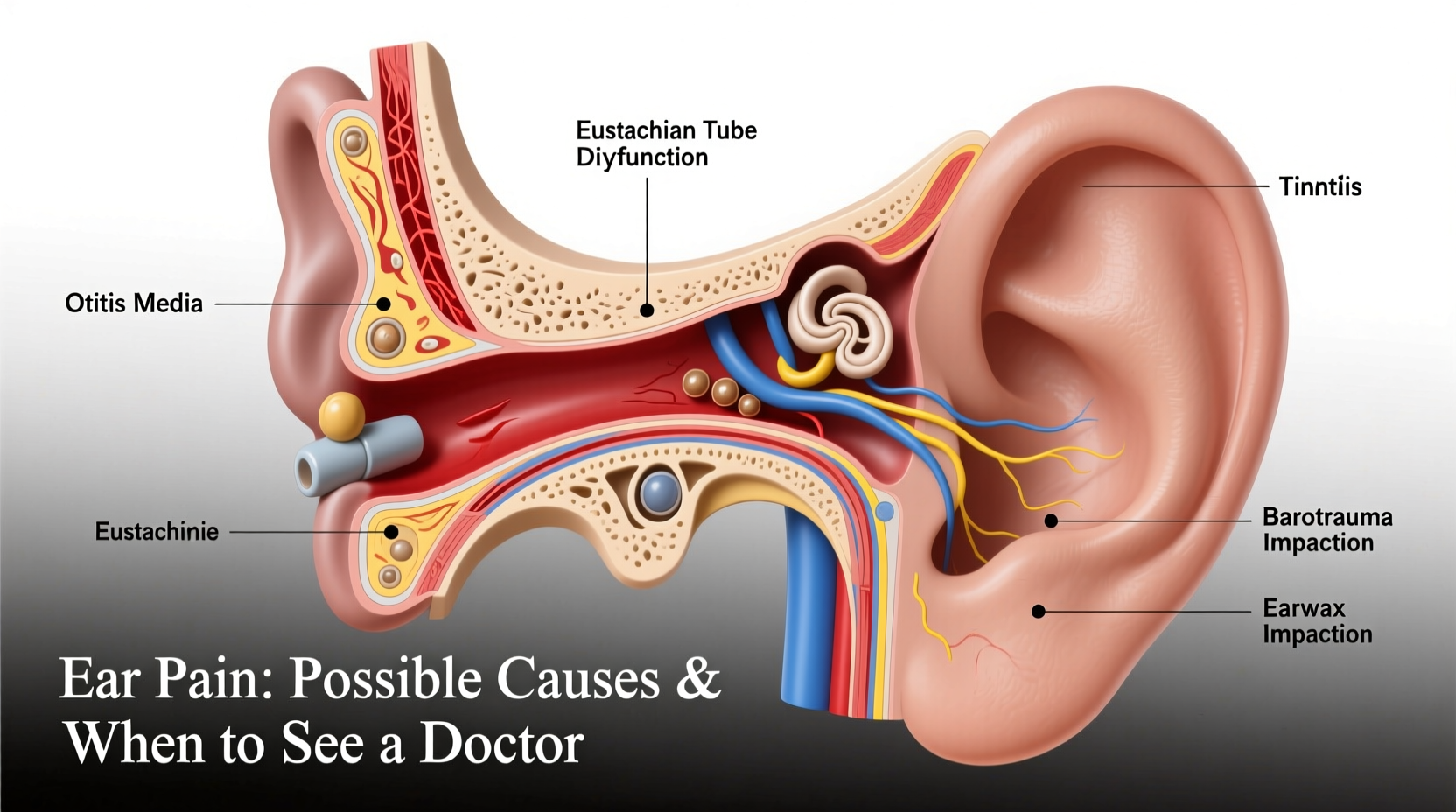
Pain felt deep within the ear is often linked to infections or inflammation affecting the middle or inner ear. However, issues outside the ear canal can also refer pain to the ear due to shared nerve pathways. Below are some of the most frequent culprits:
- Otitis media: A middle ear infection, particularly common in young children, occurs when fluid builds up behind the eardrum, leading to pressure, inflammation, and sharp pain.
- Otitis externa (swimmer’s ear): This outer ear infection involves inflammation of the ear canal, often caused by water retention after swimming or excessive cleaning with cotton swabs.
- Eustachian tube dysfunction: When the tube connecting the middle ear to the back of the throat becomes blocked—often due to allergies or colds—it can cause pressure imbalance and aching pain.
- Earwax impaction: Excessive or hardened wax can press against the eardrum, causing dull or throbbing pain, muffled hearing, and a feeling of fullness.
- Barotrauma: Rapid changes in air pressure during flying or diving can strain the eardrum, resulting in sharp pain and temporary hearing changes.
- Dental or jaw issues: Temporomandibular joint (TMJ) disorders, teeth grinding, or dental abscesses can radiate pain into the ear because of close nerve proximity.
- Sinus infections: Congestion and pressure from inflamed sinuses may be perceived as ear pain, especially in the upper regions of the ear.
When to See a Doctor: Warning Signs
While many cases of ear pain resolve on their own within a few days, certain symptoms should prompt immediate medical evaluation. Ignoring these signs could lead to complications such as hearing loss, ruptured eardrums, or spread of infection.
“Persistent ear pain lasting more than 48 hours, especially with fever or hearing changes, warrants professional assessment. Early intervention prevents progression to chronic conditions.” — Dr. Lena Patel, Otolaryngologist
Seek medical care if you experience any of the following:
- Fever above 101°F (38.3°C), particularly in children
- Drainage from the ear (pus, blood, or clear fluid)
- Sudden or progressive hearing loss
- Dizziness, vertigo, or balance problems
- Severe pain that disrupts sleep or daily activities
- Facial weakness or drooping on one side
- Pain persisting beyond 2–3 days without improvement
Diagnosis and Medical Evaluation Process
A healthcare provider will typically begin with a thorough history and physical exam. Using an otoscope, they can inspect the ear canal and eardrum for signs of infection, swelling, perforation, or wax buildup. In some cases, further testing may be necessary.
| Diagnostic Method | Purpose | What to Expect |
|---|---|---|
| Otoscopy | Visual inspection of ear canal and eardrum | Quick, non-invasive; slight pressure may be felt |
| Tympanometry | Measures eardrum movement and middle ear pressure | A soft puff of air is introduced into the ear |
| Hearing test (audiometry) | Assesses hearing sensitivity | Wearing headphones to respond to tones |
| Imaging (CT or MRI) | For suspected deep infection or structural issues | Used only if complications are suspected |
Home Care and Prevention Tips
For mild ear discomfort, several conservative measures may provide relief while monitoring symptoms. However, these should not replace professional diagnosis when warning signs are present.
Tip: Use over-the-counter pain relievers like ibuprofen or acetaminophen to manage discomfort, but avoid placing drops in the ear unless advised by a doctor—especially if a perforated eardrum is suspected.Preventive Checklist:
- Dry ears thoroughly after swimming or showering using a towel or low-setting hairdryer at arm’s length.
- Avoid using cotton swabs or sharp objects to clean inside the ear.
- Manage allergies and sinus congestion proactively with appropriate medications.
- Chew gum during takeoff and landing when flying to help equalize ear pressure.
- Use earplugs designed for swimmers if prone to swimmer’s ear.
- Treat respiratory infections early to reduce risk of ear complications.
Real-Life Example: Recognizing the Need for Urgent Care
Sarah, a 34-year-old teacher, experienced mild ear fullness after a weekend of kayaking. She assumed it was water trapped in her ear and tried home remedies for two days. When the pain intensified, she developed a low-grade fever and noticed yellowish discharge. Concerned, she visited an urgent care clinic where an otoscopic exam revealed acute otitis externa with early cellulitis. She was prescribed antibiotic ear drops and oral medication. With timely treatment, her symptoms resolved within a week. Delaying care could have led to deeper tissue involvement or hearing impairment.
This case illustrates how seemingly minor symptoms can escalate quickly—especially when self-treatment masks worsening infection.
Step-by-Step Guide: What to Do When Your Ear Hurts
If you begin experiencing internal ear pain, follow this structured approach to determine your next steps:
- Assess symptoms: Note the onset, severity, associated symptoms (fever, drainage, dizziness), and any recent activities (swimming, flying, illness).
- Try conservative relief: Use OTC pain relievers and apply a warm compress to the affected ear for comfort.
- Avoid irritants: Refrain from inserting anything into the ear and avoid getting water inside until evaluated.
- Monitor for 24–48 hours: If pain improves and no red flags appear, continued observation may be sufficient.
- Consult a healthcare provider: If pain persists beyond two days, worsens, or is accompanied by fever, drainage, or hearing loss, schedule an appointment with a primary care physician or ENT specialist.
Frequently Asked Questions
Can ear pain be a sign of something serious?
Yes. While most ear pain stems from treatable conditions like infections, persistent pain with neurological symptoms (facial weakness, severe dizziness) may indicate complications such as mastoiditis or Ramsay Hunt syndrome and require urgent evaluation.
Is it safe to use ear drops for ear pain?
Only if recommended by a doctor. Over-the-counter drops may help with swimmer’s ear, but if the eardrum is ruptured, certain drops can damage the inner ear. Always confirm diagnosis before use.
Why does my ear hurt when I swallow?
Pain during swallowing often points to referred pain from the throat (such as tonsillitis or pharyngitis) or Eustachian tube dysfunction. The muscles involved in swallowing connect near the ear canal, so inflammation in one area can affect the other.
Final Thoughts and Action Steps
Internal ear pain is more than just an annoyance—it’s a signal from your body that something may be off. While many causes are minor and self-limiting, others demand prompt medical attention to prevent long-term consequences. Being proactive about symptom tracking, avoiding harmful habits like ear probing, and knowing when to seek help are key components of responsible ear health.
Don’t dismiss ongoing ear pain as “just another infection.” Listen to your body, act early, and consult a healthcare provider when in doubt. Your hearing and overall well-being depend on it.
💬 Have you experienced persistent ear pain? Share your story or questions below. Your experience might help someone recognize their symptoms sooner.








