
Velcro dogs—the ones who stick to your side like they’re glued there—are often the most loving and loyal companions. But their deep attachment can quickly turn into a problem when you leave the house. For these dogs, even short absences trigger distress, leading to barking, destructive behavior, or accidents indoors. This is more than just missing you—it’s separation anxiety, and it won’t resolve on its own.
Unlike typical misbehavior, separation anxiety stems from genuine fear. These dogs aren’t acting out of spite; they’re panicked. The good news: with patience, consistency, and the right techniques, even the most attached dogs can learn to tolerate being alone. The key is not to force independence overnight but to build confidence gradually through structured training and environmental support.
Understanding Velcro Dogs and Separation Anxiety
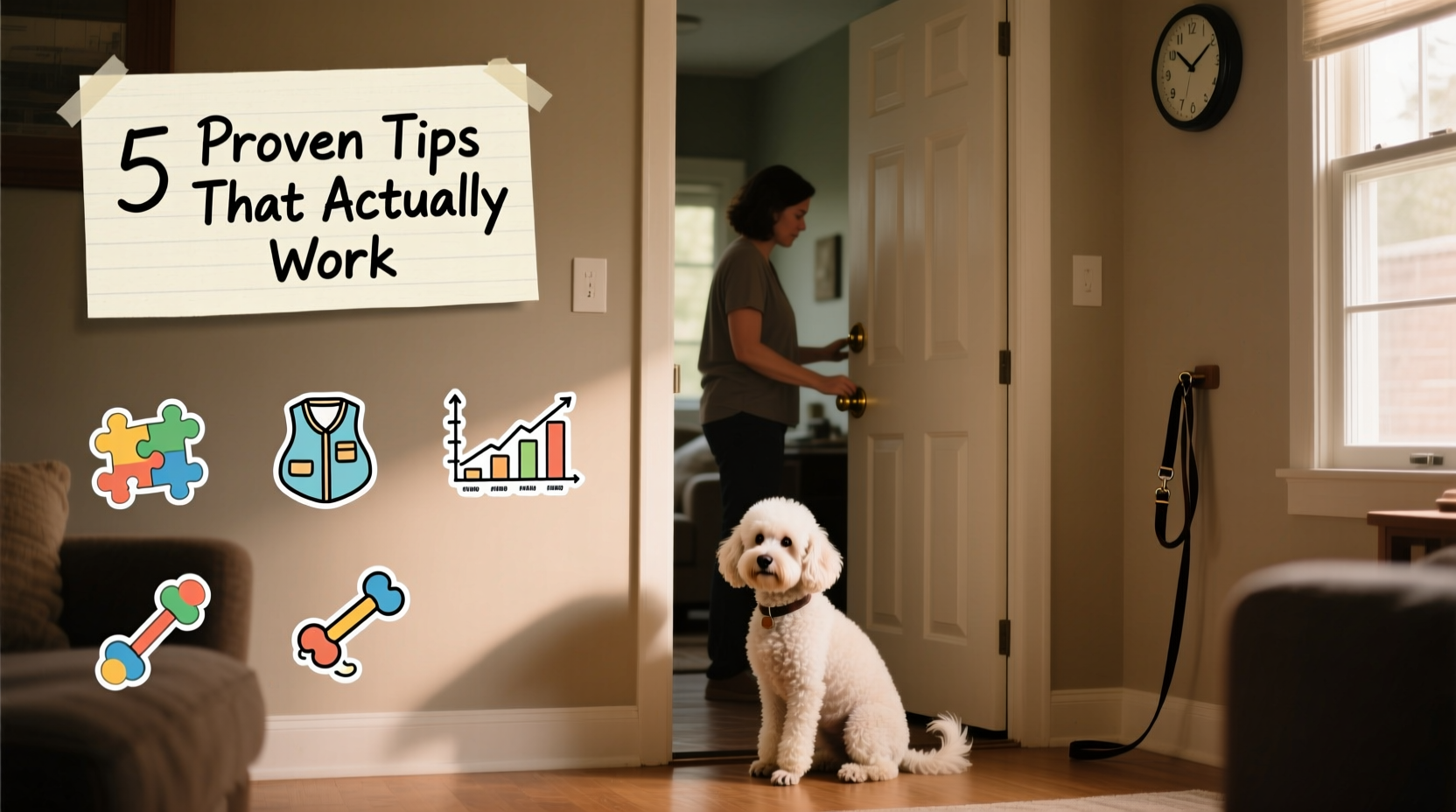
A velcro dog isn’t just affectionate—they’re emotionally dependent. They follow you from room to room, whine when you move out of sight, and may refuse food or toys when you’re not present. While this devotion feels flattering at first, it sets the stage for anxiety when separation becomes unavoidable.
True separation anxiety goes beyond mild discomfort. It includes symptoms such as:
- Excessive vocalization (barking, howling) within minutes of departure
- Chewing, scratching, or digging at doors and windows
- Urinating or defecating in the house despite being house-trained
- Pacing, trembling, or drooling when you prepare to leave
- Refusing to eat or play when left alone
These behaviors are not attention-seeking. They’re signs of panic. Dr. Karen Overall, a veterinary behaviorist, explains:
“Separation anxiety is a clinical condition rooted in fear. It requires systematic desensitization, not punishment. You can’t scold a dog out of panic any more than you can yell someone out of a phobia.” — Dr. Karen Overall, DACVB, Veterinary Behaviorist
Recognizing the emotional basis of the issue is the first step toward effective intervention.
Proven Training Techniques That Build Independence
The goal isn’t to make your dog indifferent—it’s to teach them that being alone is safe. This takes time, but the following methods have consistently shown results in behavioral studies and real-world applications.
Step-by-Step Desensitization to Departures
Dogs with separation anxiety often react to pre-departure cues: picking up keys, putting on shoes, grabbing a bag. The solution is to decouple these actions from actual leaving.
- Practice departure routines without leaving. Pick up your keys, put on your coat, walk to the door—and then sit back down. Repeat multiple times per day without exiting.
- Gradually increase exposure. Open the door, step outside, close it, and return immediately. Over days, extend the time outside from seconds to minutes.
- Vary your routine. Sometimes pick up keys and don’t wear a coat. Other times, wear shoes but stay home. This prevents the dog from predicting your departure.
This process rewires the dog’s association: “Keys = maybe nothing happens,” instead of “Keys = owner is gone.”
Tip: Always ignore your dog for 5–10 minutes before leaving and after returning. No eye contact, no talking. This reduces emotional spikes around departures.Counterconditioning with Positive Reinforcement
Pair solitude with something enjoyable. The most effective tool? A long-lasting food puzzle or stuffed Kong.
- Fill a Kong with peanut butter, yogurt, and kibble, then freeze it.
- Give it to your dog only when you’re preparing to leave—or when you’re in another room.
- Over time, the dog learns: “When I’m alone, something great happens.”
Start by giving the Kong while you’re still in the same room. Then move to the next room, then behind a closed door, then outside. Each step should be small enough that the dog remains calm.
Environmental Adjustments That Reduce Stress
Training works best when supported by a low-stress environment. Simple changes at home can significantly reduce anxiety triggers.
Create a Safe Zone
Designate a quiet area—like a bedroom or laundry room—with a comfortable bed, water, and familiar-smelling items (an old t-shirt of yours works well). Use baby gates or a crate if your dog is crate-trained and views it positively.
Avoid placing the zone near windows or doors where outdoor activity increases arousal. The goal is predictability and calm.
Use Background Noise Strategically
Sounds of silence can heighten anxiety. Soft background noise masks sudden sounds and provides comfort.
- Leave a radio tuned to a calm music station (classical or reggae has been shown to lower canine stress).
- Use a white noise machine or fan to buffer street noise.
- Play recorded household sounds (a TV left on a home-living channel) to simulate presence.
Table: Do’s and Don’ts for Managing Separation Anxiety
| Do | Don’t |
|---|---|
| Practice short absences daily | Leave for hours without gradual buildup |
| Use food puzzles during alone time | Reward clinginess with constant petting |
| Maintain a predictable routine | Yell at or punish anxious behavior |
| Exercise your dog before leaving | Ignore physical or mental stimulation needs |
| Consult a vet or behaviorist early | Assume the dog will “grow out of it” |
Real-Life Example: Helping Luna the Labrador
Luna, a three-year-old black Labrador, followed her owner Sarah from room to room. When Sarah worked from home, Luna rested nearby. But when Sarah returned to the office, Luna began howling within two minutes of her departure, chewing door frames, and soiling the carpet.
At first, Sarah tried leaving earlier to avoid the drama, but the behavior worsened. She consulted a certified dog trainer who recommended a structured plan:
- Luna started getting a 30-minute walk every morning before Sarah left.
- Sarah began practicing “fake departures”: putting on shoes, walking to the door, then sitting back down.
- Luna received a frozen Kong only when Sarah moved to another room.
- After one week, Sarah stepped outside for 10 seconds, then returned. Gradually, she increased the time.
Within four weeks, Luna was able to stay alone for 90 minutes without distress. By week eight, she could handle four hours with only mild pacing at the start. The turning point? Consistency. Sarah never skipped practice, even on weekends.
“I realized I was unintentionally reinforcing her anxiety by comforting her when she whined,” Sarah said. “Once I stopped reacting and stuck to the plan, everything changed.”
Essential Checklist for Reducing Separation Anxiety
Follow this checklist daily to build your velcro dog’s confidence:
- ✅ Provide 30–60 minutes of physical exercise before planned alone time
- ✅ Offer mental stimulation (puzzle toys, training games) every day
- ✅ Practice 5–10 “fake departures” daily, varying duration and cues
- ✅ Give a high-value chew or food toy only when you’re out of sight
- ✅ Maintain a consistent schedule for feeding, walks, and departures
- ✅ Ignore your dog for 10 minutes before leaving and after returning
- ✅ Use calming background noise during alone time
- ✅ Record your dog’s behavior (via camera) to track progress
- ✅ Consult a veterinarian to rule out medical causes or discuss anti-anxiety options if needed
When to Seek Professional Help
Not all cases can be managed at home. If your dog:
- Self-injures (chews paws, breaks teeth on barriers)
- Shows signs of extreme panic (hyperventilation, vomiting)
- Doesn’t improve after 4–6 weeks of consistent training
…it’s time to consult a professional. A board-certified veterinary behaviorist or a Certified Separation Anxiety Trainer (CSAT) can design a customized plan. In some cases, medication like fluoxetine (Reconcile) or trazodone may be prescribed alongside behavior modification.
Medication isn’t a shortcut—it’s a tool. As Dr. Nicholas Dodman, renowned animal behaviorist, states:
“Medication levels the playing field. It doesn’t teach the dog anything, but it lowers anxiety enough that learning can happen.” — Dr. Nicholas Dodman, Tufts University School of Veterinary Medicine
Frequently Asked Questions
Can crate training help with separation anxiety?
Only if your dog already views the crate as a safe space. Forcing a panicked dog into a crate can worsen anxiety. Introduce the crate gradually with treats and positive associations when you’re home. Never use it as punishment.
How long does it take to fix separation anxiety?
Most dogs show improvement within 4–8 weeks of consistent training. Full resolution can take 3–6 months. Progress isn’t linear—expect setbacks during life changes (travel, new schedules). Patience is critical.
Will getting a second dog help?
Not usually. Separation anxiety is about missing *you*, not just being alone. Adding another dog can create dependency on the companion, not independence. In some cases, both dogs develop anxiety. Focus on training the affected dog first.
Conclusion: Building Confidence One Step at a Time
Helping a velcro dog overcome separation anxiety isn’t about pulling away emotionally—it’s about teaching safety and self-reliance. The bond you share doesn’t need to diminish; in fact, it often deepens when your dog learns they can trust you to return.
Success comes from consistency, not intensity. Ten minutes of daily training beats one hour once a week. Small wins—your dog eating a treat while you’re in the next room, staying calm for 30 seconds after you leave—add up over time.
If you’re struggling, know you’re not alone. Thousands of owners face the same challenge. Start today: pick one tip from this article—maybe freezing a Kong or practicing fake departures—and commit to it daily. Track your progress. Celebrate tiny improvements. Your dog is counting on you to lead the way.
💬 Have a velcro dog? Share your story or tip in the comments below. Your experience could help another pet parent feel less alone.








