
Dressing dogs has evolved from a practical necessity to a cultural trend. From cozy winter sweaters to elaborate Halloween costumes, pet fashion fills social media feeds and boutique shelves. But behind the cuteness lies a real question: when does dressing your dog enhance their life, and when does it cross into discomfort or even risk? The decision between a festive party outfit and simple everyday wear isn’t just about aesthetics—it’s about health, behavior, and genuine well-being. Understanding the balance helps owners make informed choices that respect both style and substance.
The Role of Clothing in Canine Comfort
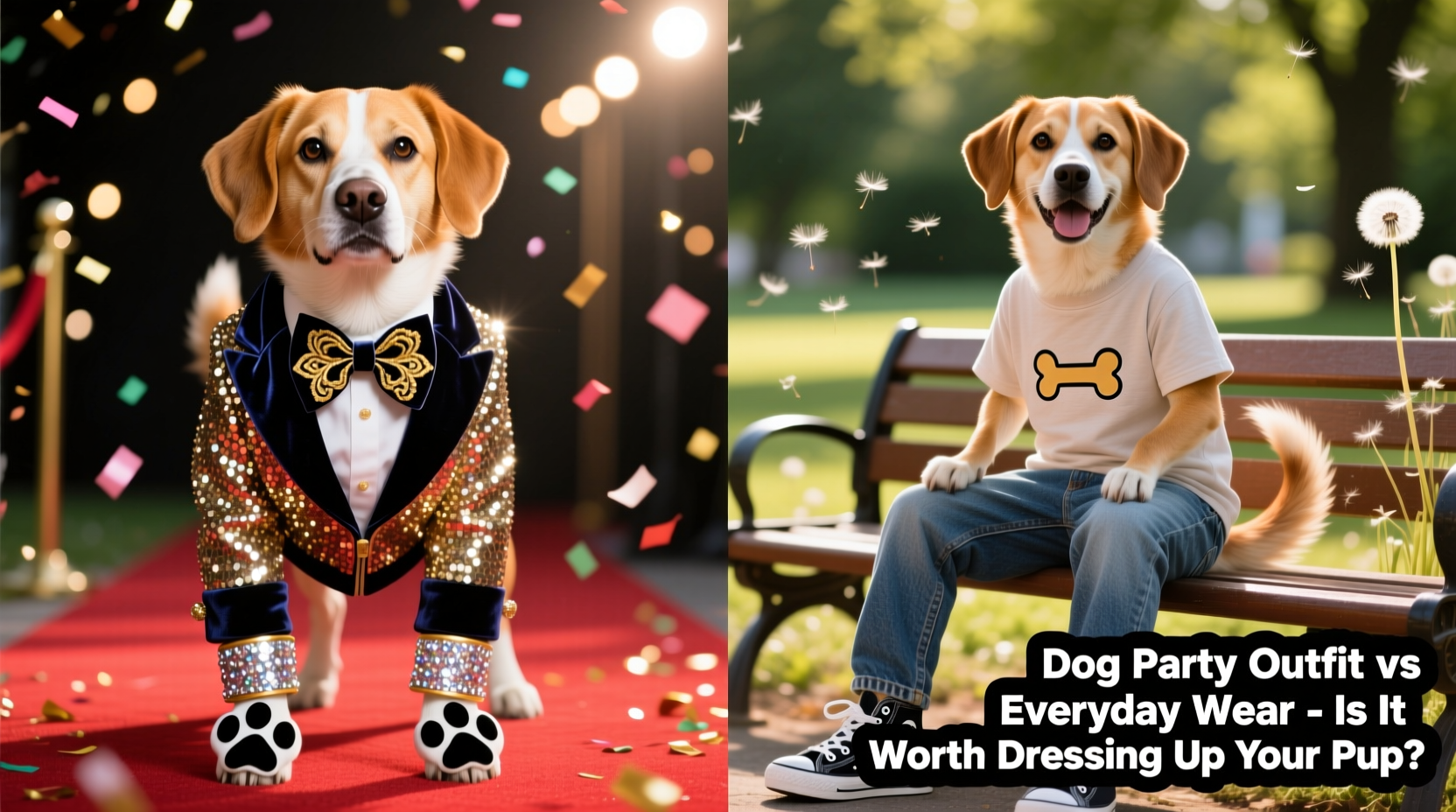
Dogs don’t naturally require clothing. Unlike humans, most breeds regulate body temperature efficiently through fur, panting, and behavioral adjustments. However, certain conditions—such as age, breed, health status, or climate—can make garments beneficial. Short-haired dogs like Chihuahuas or Greyhounds often struggle in cold weather, making insulated jackets a sensible addition during winter walks. Senior dogs with arthritis may benefit from supportive wraps that stabilize joints without restricting movement.
Everyday wear should prioritize function: moisture-wicking materials, non-restrictive cuts, and secure but gentle fastenings. The goal is to complement, not override, a dog’s natural ability to adapt. In contrast, party outfits often emphasize appearance over practicality. Sequins, tight fits, or bulky accessories may look festive but can cause overheating, chafing, or anxiety if worn too long.
Tip: Always supervise your dog during first-time wear of any new garment to monitor signs of stress or discomfort.When Fashion Meets Function: Evaluating Party Outfits
Social events—birthday parties, holiday gatherings, or themed photo shoots—are common reasons owners dress up their pets. These occasions can be joyful, especially when the dog seems excited and engaged. However, excitement doesn’t always mean comfort. A wagging tail might reflect anticipation of treats, not approval of a sparkly tutu.
Potential benefits of party attire include bonding experiences and positive reinforcement training opportunities. Some dogs learn to associate dressing up with fun activities, creating a mental link between the outfit and rewards. Yet, risks remain: restricted mobility, difficulty breathing (especially in brachycephalic breeds), or entanglement in dangling decorations. One owner shared how her Pomeranian became anxious at a dog birthday party after wearing a feathered headband—despite looking adorable in photos, the dog spent most of the event hiding under a table.
“Costumes should never compromise a dog’s ability to move, breathe, or express natural behaviors.” — Dr. Lena Torres, Veterinary Behaviorist
Everyday Wear: Simplicity with Purpose
Functional clothing designed for daily use focuses on protection and support. Raincoats shield against wet weather, cooling vests help during summer hikes, and reflective vests improve visibility during evening walks. These items are typically made from breathable, flexible fabrics with ergonomic designs that follow a dog’s natural shape.
Key features of effective everyday wear include:
- Flat seams to prevent chafing
- Adjustable straps for a secure fit
- Quick-dry or waterproof materials
- Easy access for bathroom breaks
Unlike party outfits, which may be worn for short durations, everyday garments are intended for prolonged use. This makes material quality and fit accuracy far more critical. A poorly fitted harness-style sweater, for example, can rub against armpits or restrict shoulder motion, leading to skin irritation or reluctance to walk.
Comparing Party Outfits and Everyday Wear: A Practical Guide
| Feature | Party Outfit | Everyday Wear |
|---|---|---|
| Primary Purpose | Decoration, theme participation | Protection, comfort, safety |
| Wear Duration | Short-term (1–3 hours) | Extended (walks, outdoor time) |
| Fabric Type | Decorative (sequins, tulle, faux fur) | Functional (nylon, polyester blends, neoprene) |
| Mobility Impact | Often restrictive | Designed for freedom of movement |
| Care Requirements | Hand wash, delicate handling | Machine washable, durable |
| Risk Level | Higher (choking, overheating) | Lower (if properly fitted) |
How to Choose What’s Right for Your Dog
Not all dogs respond the same way to clothing. Personality, breed traits, and past experiences shape how a dog tolerates being dressed. A step-by-step approach ensures safety and comfort:
- Assess your dog’s temperament: Does your dog tolerate handling well? Are they curious or easily startled?
- Start small: Introduce a lightweight bandana before moving to full-body outfits.
- Monitor behavior: Look for signs of distress—licking lips, yawning, tucking tail, or trying to remove the item.
- Check fit regularly: Ensure you can fit two fingers under any strap or collar section.
- Limited duration: Never leave a costume on unattended or overnight.
Mini Case Study: Max the Rescue Terrier
Max, a three-year-old mixed terrier adopted from a rural shelter, initially resisted any clothing. His new owner wanted him to join a friends’ dog picnic where themed outfits were encouraged. Instead of forcing a pirate costume, she began by letting Max sniff a soft blue bandana, rewarding curiosity with treats. Over five days, she gradually increased wear time, pairing it with walks and games. By the event, Max wore a simplified version of the pirate hat (no eye patch) for 20 minutes, happily participating in photo ops before removing it. The key was patience and respecting his pace—proving that even cautious dogs can enjoy occasional dressing when introduced thoughtfully.
Essential Checklist Before Dressing Your Dog
- ✅ Measure your dog accurately (neck, chest, length from base of neck to tail)
- ✅ Check for loose threads, buttons, or small parts that could be chewed off
- ✅ Ensure full range of motion—can they sit, lie down, and lift legs freely?
- ✅ Avoid anything covering eyes, ears, or mouth
- ✅ Confirm weather appropriateness—no heavy fabrics in hot climates
- ✅ Have removal tools ready (scissors for tangled ribbons, quick-release clips)
Frequently Asked Questions
Can dressing my dog cause anxiety?
Yes, especially if introduced abruptly or with ill-fitting garments. Dogs rely heavily on body language and freedom of movement. Restrictive or unfamiliar clothing can trigger stress responses. Gradual introduction and positive reinforcement reduce this risk significantly.
How long is safe for a dog to wear a costume?
Limit costume wear to 1–3 hours maximum, depending on the dog’s comfort level and environmental conditions. Always supervise and allow frequent breaks without clothing. Remove immediately if signs of overheating or distress appear.
Are there breeds that should never wear clothes?
Dogs with thick double coats (like Huskies or Malamutes) generally don’t need clothing in cold weather and may overheat easily. Brachycephalic breeds (Pugs, Bulldogs) are prone to breathing issues and should avoid anything that compresses the chest or neck. Consult your vet if unsure.
Final Thoughts: Style With Sensitivity
Dressing up your dog can be a fun, bonding experience—if done responsibly. The difference between a successful outfit and an uncomfortable ordeal lies in intention and execution. Everyday wear earns its place through utility: keeping dogs dry, warm, or visible. Party outfits, while charming, should remain occasional indulgences, never forced upon reluctant pets.
The most stylish accessory a dog can wear is confidence. When clothing supports rather than suppresses natural behavior, it enhances quality of life. But when it prioritizes human amusement over canine comfort, it crosses an ethical line. Every choice—from fabric to fit—should center the dog’s needs first.
💬 What’s your take on dog fashion? Share your experiences—costume wins, wardrobe fails, or tips for stress-free dressing—in the comments below. Let’s build a community where pets look good *and* feel great.








