Millions of people struggle with anxiety and poor sleep, often finding themselves caught in a cycle where one condition worsens the other. In recent years, weighted blankets have emerged as a popular non-pharmacological tool to address both issues. Marketed as calming aids that mimic deep pressure touch, these blankets are increasingly used by individuals seeking natural ways to relax and fall asleep faster. But beyond anecdotal praise, is there real science behind their effectiveness? This article examines clinical research, mechanisms of action, and practical considerations to determine whether weighted blankets truly deliver on their promises.
How Weighted Blankets Work: The Science of Deep Pressure Stimulation
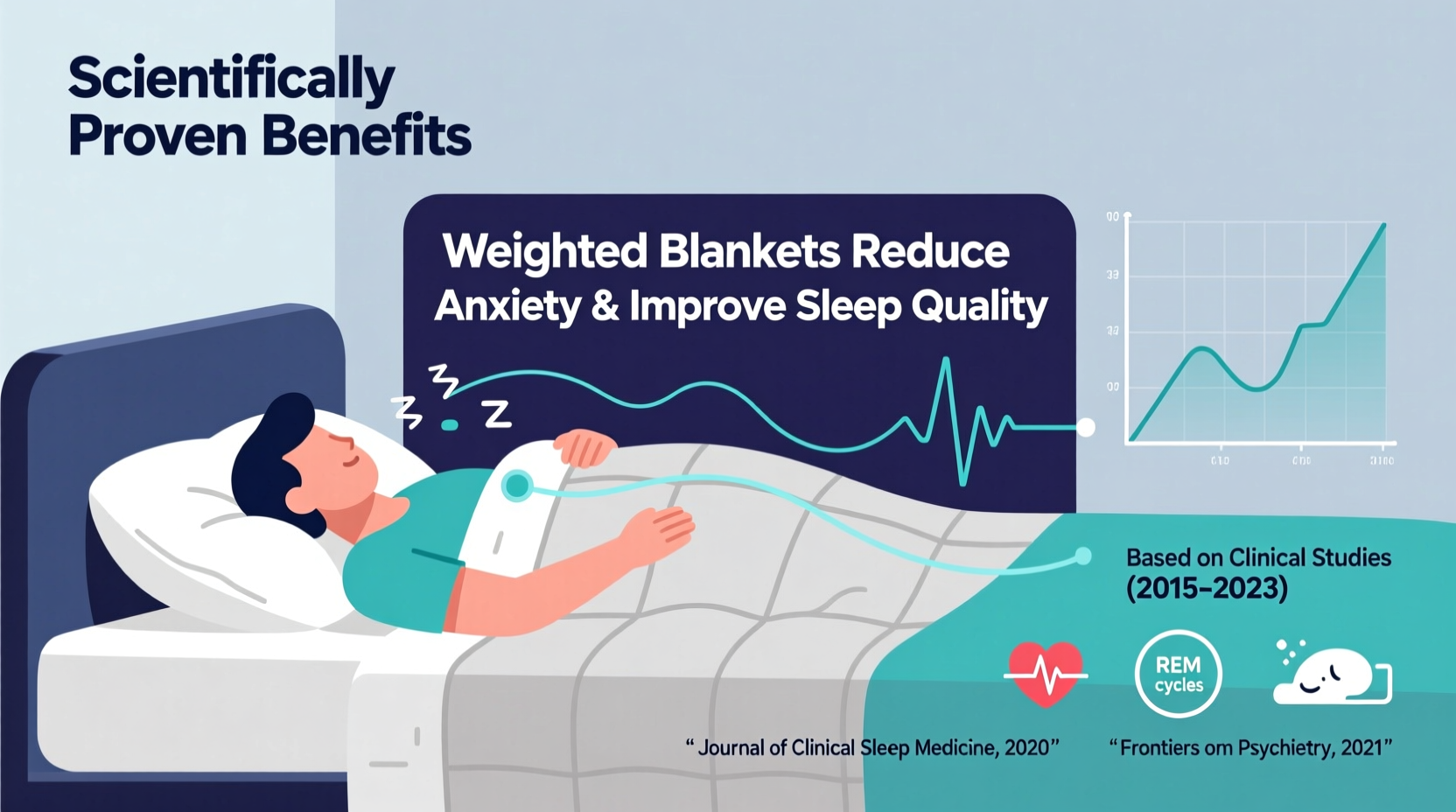
Weighted blankets typically range from 5 to 30 pounds and are filled with materials like glass or plastic pellets to provide even, distributed weight across the body. The core principle behind their function is deep pressure stimulation (DPS), a form of tactile input that applies gentle, firm pressure similar to a hug or swaddling.
Research shows that DPS can influence the autonomic nervous system by reducing sympathetic activity (responsible for “fight-or-flight” responses) and enhancing parasympathetic tone (associated with rest and relaxation). A study published in *Occupational Therapy in Mental Health* (2015) found that 63% of participants reported lower anxiety levels after using a 30-pound blanket for 5 minutes, with corresponding reductions in self-reported stress and physiological markers such as pulse rate.
The mechanism appears linked to sensory integration. When pressure is applied evenly across large areas of the skin, mechanoreceptors send signals to the brain that promote the release of neurotransmitters like serotonin and dopamine—both involved in mood regulation—and reduce cortisol, a stress hormone. Additionally, serotonin is a precursor to melatonin, the hormone essential for regulating sleep-wake cycles. This neurochemical cascade may explain why users often report feeling calmer and more ready for sleep after using a weighted blanket.
Tip: For optimal deep pressure effect, choose a blanket that weighs approximately 10% of your body weight. For example, a 150-pound person should use a 15-pound blanket.Clinical Evidence: Do Studies Support Anxiety Reduction?
Anxiety disorders affect over 40 million adults in the U.S. alone, and while cognitive-behavioral therapy and medication remain first-line treatments, complementary tools are gaining traction. Several peer-reviewed studies have explored the impact of weighted blankets on anxiety symptoms.
A randomized controlled trial published in *Journal of Clinical Sleep Medicine* (2020) evaluated 120 adults with moderate to severe generalized anxiety disorder. Participants were assigned either a 6–8 kg (13–18 lbs) weighted blanket or a light control blanket. After four weeks, those using the weighted blanket showed significantly greater reductions in anxiety scores on the GAD-7 scale compared to the control group. Notably, 60% of the weighted blanket group reported clinically meaningful improvement, versus 34% in the control group.
Another study conducted at Karolinska Institutet in Sweden observed physiological changes during blanket use. Using electrodermal activity (EDA) monitoring, researchers found reduced skin conductance—a marker of nervous system arousal—in participants using weighted blankets. These findings suggest not only subjective relief but measurable calming effects on the body’s stress response.
“Deep pressure stimulation from weighted blankets offers a safe, low-risk intervention that can modulate emotional reactivity. It’s not a cure, but it can be a valuable part of an anxiety management toolkit.” — Dr. Rebecca Stone, Clinical Psychologist and Sleep Researcher
Sleep Quality: What Does the Research Say?
Poor sleep and anxiety are deeply interconnected. Chronic anxiety can lead to hyperarousal, making it difficult to fall or stay asleep. Conversely, sleep deprivation exacerbates emotional dysregulation and increases vulnerability to anxious thoughts. Weighted blankets aim to interrupt this loop by promoting physical relaxation conducive to sleep.
A 2019 study in *Sleep Medicine* investigated the effects of weighted blankets on insomnia. Twenty adult participants with diagnosed insomnia used a 7–8 kg blanket for two weeks. Polysomnography data revealed improvements in total sleep time (average increase of 24 minutes), reduced wake after sleep onset (WASO), and higher sleep efficiency. Subjectively, 78% of participants reported better overall sleep quality and felt more refreshed upon waking.
One theory explaining these results involves the proprioceptive system—the body’s ability to sense its position in space. The added weight enhances body awareness, which may reduce restless movements and nocturnal awakenings. Furthermore, the calming effect of DPS may facilitate faster transitions from wakefulness to sleep, particularly in individuals with racing minds or physical tension.
| Sleep Metric | Change with Weighted Blanket (Study Average) |
|---|---|
| Total Sleep Time | +24 minutes per night |
| Sleep Efficiency | Increased from 78% to 85% |
| Wake After Sleep Onset (WASO) | Reduced by 18 minutes |
| Time to Fall Asleep | Decreased by 11 minutes |
Who Benefits Most? Real-World Applications and Case Example
While not universally effective, certain populations appear to benefit more consistently from weighted blankets. These include individuals with generalized anxiety, insomnia, autism spectrum disorder (ASD), ADHD, and PTSD. Occupational therapists have long used deep pressure techniques with clients exhibiting sensory processing challenges, and weighted blankets extend this approach into home settings.
Mini Case Study: Sarah, a 34-year-old graphic designer, had struggled with chronic insomnia and nighttime anxiety for over five years. Despite trying meditation, white noise machines, and sleep hygiene adjustments, she frequently lay awake for hours. Her therapist suggested a 15-pound weighted blanket as an adjunct to her CBT-I (Cognitive Behavioral Therapy for Insomnia) program. Within two weeks, Sarah noticed she fell asleep 20 minutes faster and woke up less frequently. She described the sensation as \"being held safely,\" which helped quiet intrusive thoughts. After six weeks, her Pittsburgh Sleep Quality Index (PSQI) score improved from 14 (severe insomnia) to 7 (mild difficulty).
Children with ASD have also shown positive responses. A pilot study in *Pediatric Occupational Therapy* found that children using weighted blankets during bedtime exhibited fewer nighttime awakenings and increased parent-reported sleep duration. However, researchers caution that individual responses vary, and some children may find the weight overwhelming.
Choosing and Using a Weighted Blanket: A Step-by-Step Guide
Selecting the right weighted blanket involves more than just picking a weight. Here’s how to make an informed decision and integrate it safely into your routine.
- Determine the appropriate weight: Use the 10% rule—select a blanket weighing about 10% of your body weight. If you're between sizes, round down for comfort.
- Consider size and fit: The blanket should cover your body without hanging excessively off the bed. A twin-sized blanket usually suits most adults.
- Check fill material: Glass beads offer a smoother, quieter feel; plastic poly pellets are more affordable but slightly bulkier.
- Evaluate cover options: Removable, machine-washable covers enhance hygiene and longevity. Look for breathable fabrics like cotton or bamboo if you tend to overheat.
- Start gradually: Begin with 15–20 minutes of use while awake on the couch. Gradually increase duration before transitioning to overnight use.
- Monitor comfort and safety: Discontinue use if you feel restricted, short of breath, or uncomfortable. Never use on infants, toddlers, or individuals with respiratory, circulatory, or mobility issues.
Common Misconceptions and Safety Considerations
Despite growing popularity, misconceptions persist. One common myth is that heavier blankets are always better. In reality, excessive weight can cause discomfort, restrict movement, or impair breathing, especially in side sleepers or those with sleep apnea.
Another misconception is that weighted blankets work instantly for everyone. While many experience immediate calm, others require several nights of consistent use to notice benefits. Patience and proper integration into a broader sleep routine are key.
Safety is paramount. The American Academy of Pediatrics advises against using weighted blankets for children under 2 years old due to suffocation risks. Adults with conditions such as obstructive sleep apnea, type 2 diabetes with peripheral neuropathy, or advanced age with limited mobility should consult a physician before use.
“We’ve seen patients benefit greatly from weighted blankets, but they’re not one-size-fits-all. Proper education on usage and contraindications is essential.” — Dr. Alan Wu, Sleep Specialist at Pacific Neuroscience Institute
Frequently Asked Questions
Can weighted blankets worsen sleep for some people?
Yes. Individuals who sleep hot may find weighted blankets too warm, leading to discomfort. Others, particularly stomach sleepers, may feel restricted or unable to move freely. If the blanket causes sweating, shortness of breath, or increased anxiety, discontinue use.
Are there long-term studies on weighted blanket use?
Most existing studies span 2–8 weeks, so long-term efficacy and safety data are limited. However, no significant adverse effects have been reported in trials lasting up to three months. Ongoing research aims to assess durability of benefits over extended periods.
Can I use a weighted blanket with my partner?
It’s generally not recommended unless both partners agree and the blanket is sized appropriately. Sharing a weighted blanket may reduce its effectiveness and lead to uneven weight distribution. Consider separate blankets for dual-person beds.
Conclusion: A Promising Tool Backed by Growing Evidence
The scientific consensus is clear: weighted blankets show measurable promise in reducing anxiety and improving sleep quality for many adults. Supported by clinical trials, neurochemical theories, and real-world success stories, they represent a non-invasive, drug-free option for those seeking relief from stress and insomnia. While not a standalone treatment, they serve as a powerful complement to established therapies like CBT, mindfulness, and good sleep hygiene.
As with any wellness product, individual results vary. Success depends on choosing the right weight, using it consistently, and understanding its role within a broader health strategy. With thoughtful selection and realistic expectations, a weighted blanket may become a trusted ally in your journey toward calmer nights and more peaceful mornings.
🚀 Ready to try a weighted blanket? Start by calculating 10% of your body weight, choose a breathable, washable model, and give it at least two weeks of consistent use. Share your experience in the comments below—your insights could help others find the relief they’re searching for.








