Cystic acne is one of the most severe and stubborn forms of acne. Unlike surface-level whiteheads or blackheads, cystic lesions develop deep beneath the skin, often causing painful, inflamed bumps that can linger for weeks and lead to scarring. In recent years, hydrocolloid pimple patches have surged in popularity as an accessible, non-invasive solution for blemishes. But do they actually work on cystic acne? And what do dermatologists say about their efficacy?
This article dives into clinical evidence, expert opinions, and real-world experiences to answer whether pimple patches are a viable treatment for cystic acne — or if they’re better suited for milder breakouts.
Understanding Cystic Acne: Why It’s Different
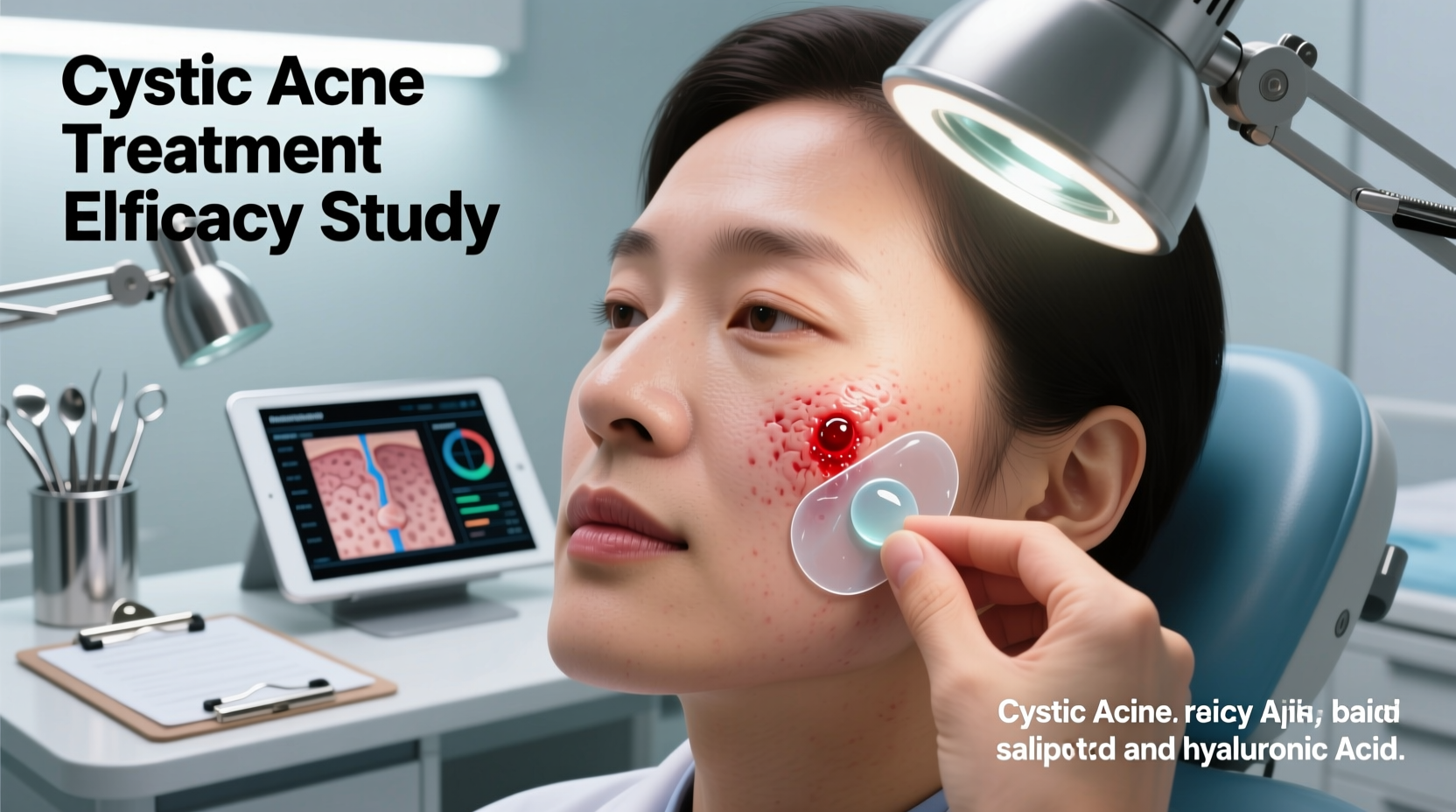
Cystic acne arises when pores become clogged with oil, dead skin cells, and bacteria, leading to deep infection and inflammation. These lesions form far below the skin’s surface, making them resistant to topical treatments that only penetrate superficially. Unlike papules or pustules, cysts lack a visible head and are filled with pus and inflammatory fluid trapped within the dermis.
Because of their depth and severity, cystic acne typically requires prescription medications such as oral antibiotics, hormonal therapy (like birth control pills), isotretinoin (Accutane), or corticosteroid injections administered by a dermatologist. Over-the-counter spot treatments like benzoyl peroxide or salicylic acid may help prevent new breakouts but rarely resolve existing cysts.
“Cystic acne isn’t just a ‘big pimple’—it’s a medical condition requiring targeted intervention. Surface-level solutions often fall short.” — Dr. Lena Patel, Board-Certified Dermatologist
How Pimple Patches Work: The Science Behind Hydrocolloid
Pimple patches are small adhesive dots made from hydrocolloid material—a substance originally developed for wound healing. When applied to minor cuts or blisters, hydrocolloid absorbs excess fluid, creates a moist healing environment, and protects against bacteria and external irritation.
In skincare, these patches function similarly:
- Absorption: They draw out exudate (fluid, pus, and sebum) from open blemishes.
- Protection: They shield the area from dirt, bacteria, and picking.
- Occlusion: They maintain hydration, supporting faster tissue repair.
- Barrier: They prevent cross-contamination and reduce inflammation caused by environmental exposure.
Most effective on pustules—white-tipped pimples near the skin’s surface—patches visibly flatten lesions overnight by absorbing fluid and reducing redness. However, their mechanism depends on direct contact with the wound or breakout contents, which poses a challenge for deeper cystic lesions.
Tip: Pimple patches work best on open or ruptured blemishes. For closed cysts, absorption cannot occur due to lack of surface drainage.Dermatologist-Tested Results: What Experts Say
While anecdotal success stories abound online, clinical research on hydrocolloid patches for cystic acne remains limited. Still, dermatologists agree on several key points based on patient outcomes and product testing.
In a 2021 review published in the *Journal of Cosmetic Dermatology*, researchers analyzed over-the-counter acne treatments and concluded that hydrocolloid dressings were effective for mild inflammatory acne but showed minimal impact on nodular or cystic lesions. The study emphasized that “hydrocolloid technology lacks sufficient penetration depth to influence subcutaneous inflammation.”
Dr. Alicia Mendez, a clinical dermatologist at New York Dermatology Group, explains:
“We see patients who apply patches hoping to shrink large, under-the-skin cysts. Unfortunately, unless the lesion has come to a head, the patch can't interact with the core of the problem. It might protect the area, but it won’t speed up resolution.”
Some newer patches now include active ingredients like salicylic acid, tea tree oil, or niacinamide embedded in the hydrocolloid matrix. While these may offer slight anti-inflammatory or comedolytic benefits, experts caution that concentrations are often too low to significantly affect deep cysts.
When Patches May Help with Cystic Acne
Though not a cure, pimple patches can still play a supportive role in managing cystic acne under specific conditions:
- After a cyst ruptures: Once a cyst breaks open, a patch can absorb discharge, prevent infection, and accelerate healing.
- To prevent picking: The physical barrier discourages touching, which reduces scarring risk.
- For secondary protection: After steroid injection or extraction, patches can guard the site during recovery.
However, they should never replace medical treatment for active, unruptured cysts.
Comparing Treatments: Patches vs. Medical Options
To understand where pimple patches fit in acne care, consider how they stack up against proven therapies for cystic acne.
| Treatment | Mechanism | Effective on Cysts? | Time to See Results |
|---|---|---|---|
| Hydrocolloid Patches | Absorbs surface fluid, protects wound | Limited (only if open) | Overnight to 2 days |
| Corticosteroid Injections | Reduces inflammation directly in cyst | Yes – highly effective | 24–72 hours |
| Oral Antibiotics | Kills bacteria, reduces overall inflammation | Yes – moderate improvement | 2–6 weeks |
| Isotretinoin (Accutane) | Shrinks oil glands, prevents clogging | Yes – long-term remission possible | 1–3 months |
| Topical Retinoids | Exfoliates pores, prevents buildup | No – preventive only | 6–12 weeks |
As shown, while patches offer convenience and immediate surface-level benefits, they lack the biological action needed to treat deep-seated cysts.
Real-World Case: Managing Stubborn Jawline Cysts
Sophia, a 28-year-old marketing executive, struggled with recurring cystic acne along her jawline for over five years. After trying countless cleansers, toners, and patches, she noticed no lasting improvement.
She began using hydrocolloid patches nightly, believing they would “draw out” the deep lumps. Instead, the cysts remained unchanged, though one eventually burst after two weeks. Only then did the patch begin to absorb yellowish fluid and reduce redness around the area.
Frustrated, Sophia consulted a dermatologist, who diagnosed hormonal acne and prescribed spironolactone. Within three months, her breakouts decreased dramatically. Her doctor advised using patches only after a cyst ruptured—to minimize scarring—not as a primary treatment.
Sophia’s experience reflects a common misconception: that patches can treat all types of acne equally. In reality, timing and lesion type determine their usefulness.
Smart Use of Pimple Patches: A Step-by-Step Guide
If you choose to use pimple patches as part of your cystic acne management plan, follow this dermatologist-approved approach for maximum benefit:
- Assess the lesion: Is it raised, red, and deep without a head? If yes, skip the patch—it won’t help.
- Wait for signs of rupture: Look for whitening or softening at the center, indicating the cyst is coming to a head.
- Cleanse gently: Wash the area with a mild, non-comedogenic cleanser. Pat dry thoroughly.
- Apply the patch: Place it directly over the open or partially drained blemish. Avoid stretching the skin.
- Leave undisturbed: Wear for 6–12 hours (overnight is ideal). Replace if saturated.
- Follow up: After removal, apply a lightweight, non-irritating moisturizer. Avoid actives like retinoids or acids on broken skin.
Checklist: When to Use (and Skip) Pimple Patches for Cystic Acne
- ✅ Use if the cyst has ruptured or formed a visible head
- ✅ Use to prevent picking or re-injury during healing
- ✅ Use after professional extraction or injection
- ❌ Skip if the bump is hard, deep, and closed
- ❌ Skip if you rely on them instead of seeing a dermatologist
- ❌ Skip if the patch causes irritation or traps heat
FAQ: Common Questions About Patches and Cystic Acne
Can pimple patches make cystic acne worse?
Generally, patches don’t worsen cysts, but improper use can. Leaving a patch on too long (beyond 12 hours) may create a warm, moist environment conducive to bacterial growth. Additionally, some individuals may react to adhesives, especially on inflamed skin. Always remove the patch if you notice increased redness, pain, or swelling.
Are medicated patches better for cystic acne?
Some patches contain micro-doses of salicylic acid, sulfur, or tea tree oil designed to enhance penetration. While these may provide mild anti-inflammatory effects, studies show that ingredient concentrations are usually too low to reach deep cysts. One 2022 study found that medicated patches reduced surface inflammation by 15–20% compared to standard hydrocolloid—but had no measurable effect on cyst size or duration.
What’s the fastest way to get rid of a cystic pimple?
The fastest medically proven method is an intralesional corticosteroid injection, often called a “cortisone shot.” Administered by a dermatologist, it can flatten a cyst within 24 to 72 hours by rapidly reducing inflammation. At-home options like ice application (to reduce swelling) and prescription topical/oral treatments can also help, but results take longer.
Conclusion: Realistic Expectations for Pimple Patch Users
Pimple patches are a valuable tool in modern skincare—but only when used appropriately. For surface-level blemishes, they deliver visible results and promote healthy healing. However, when it comes to cystic acne, their utility is limited to post-rupture care and protection, not active treatment.
Relying solely on patches for deep, painful cysts delays access to effective therapies and increases the risk of permanent scarring. Dermatologist-tested evidence consistently shows that cystic acne requires internal or injectable interventions to address its root causes.
That said, integrating patches into a broader acne management strategy—under professional guidance—can improve outcomes. Pair them with consistent skincare, hormonal regulation, and timely dermatology visits for best results.
🚀 Take charge of your skin health: If you're battling cystic acne, don’t wait for patches to fix what medicine can treat. Book a consultation with a board-certified dermatologist and explore solutions that work from the inside out.








