
Diarrhea and vomiting are among the most common gastrointestinal complaints affecting people of all ages. While often mild and self-limiting, they can quickly escalate into serious health concerns—especially in young children, older adults, and those with weakened immune systems. Understanding the root causes, knowing how to manage symptoms at home, and recognizing red flags can make a significant difference in recovery time and safety.
Common Causes of Diarrhea and Vomiting
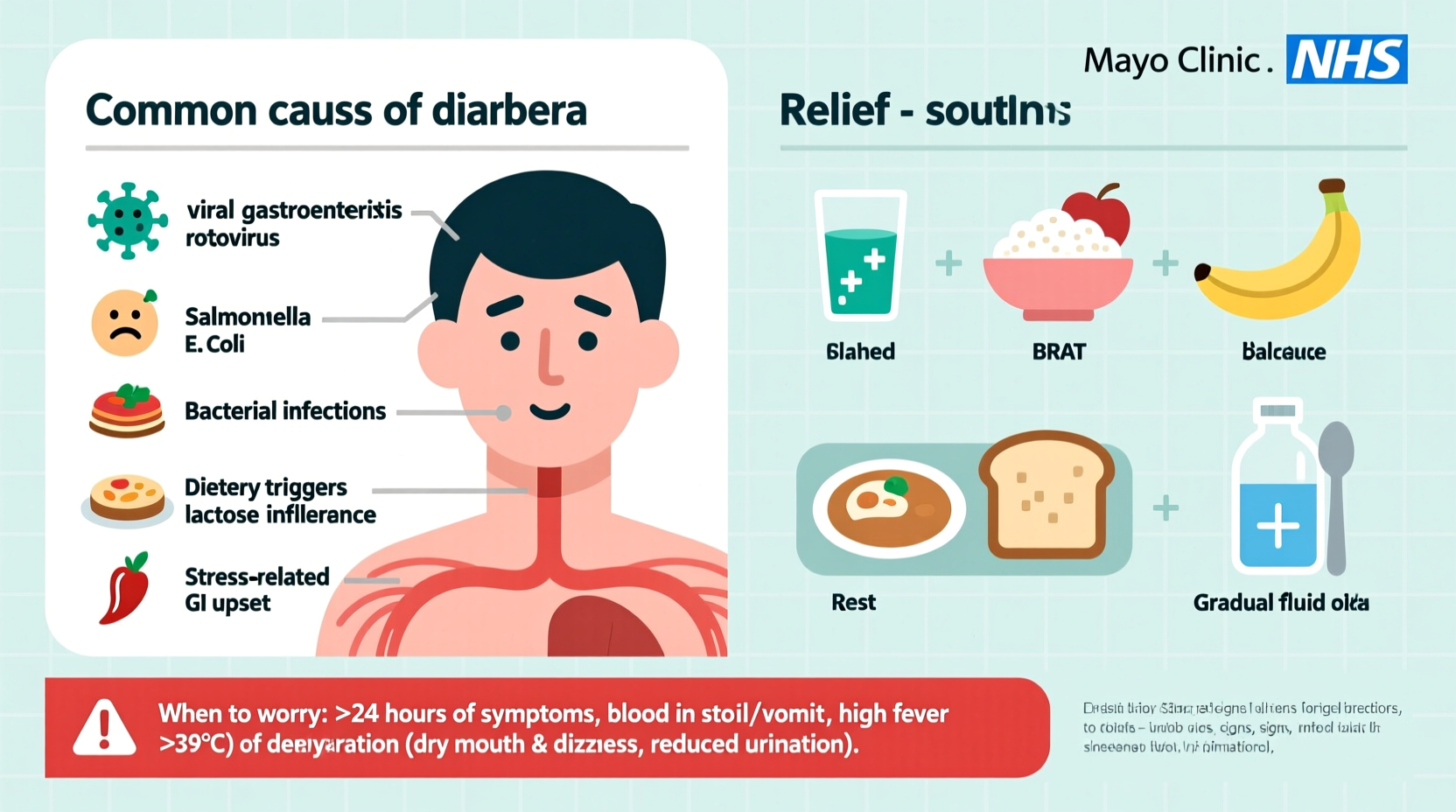
These symptoms typically arise from disruptions in the digestive system. The most frequent triggers include infections, food-related issues, and underlying medical conditions.
- Viral gastroenteritis: Often called the “stomach flu,” this is the leading cause of acute diarrhea and vomiting. Viruses like norovirus and rotavirus spread easily through contaminated surfaces, food, or close contact.
- Bacterial infections: Consuming food or water contaminated with bacteria such as Salmonella, E. coli, or Campylobacter can lead to sudden onset of symptoms, sometimes accompanied by fever or bloody stool.
- Parasites: Giardia and Cryptosporidium are parasites found in untreated water sources and can cause prolonged diarrhea.
- Food poisoning: Rapid onset of vomiting and diarrhea within hours of eating spoiled or contaminated food is typical.
- Medication side effects: Antibiotics, certain antacids, and chemotherapy drugs may disrupt gut flora or irritate the stomach lining.
- Dietary intolerances: Lactose intolerance or sensitivity to artificial sweeteners like sorbitol can trigger gastrointestinal distress.
- Chronic conditions: Irritable bowel syndrome (IBS), inflammatory bowel disease (IBD), and pancreatitis may present with recurrent episodes.
Effective Home Relief Strategies
In most cases, diarrhea and vomiting resolve within 1–3 days with proper self-care. The primary goals are hydration, rest, and gradual reintroduction of food.
Rehydration Is Key
Losing fluids through vomiting and loose stools increases the risk of dehydration. Replacing lost electrolytes and water is essential.
- Sip small amounts of oral rehydration solutions (ORS) like Pedialyte or homemade mixtures (1 liter water + 6 tsp sugar + ½ tsp salt).
- Avoid sugary drinks, caffeine, and alcohol—they can worsen diarrhea.
- For infants, continue breastfeeding or formula feeding unless advised otherwise by a doctor.
Diet During Recovery
The BRAT diet (bananas, rice, applesauce, toast) has long been recommended for easing back into solid foods. While not scientifically proven as superior, these bland, low-fiber foods are generally well-tolerated.
“After vomiting subsides, start with clear liquids and progress slowly to solids. Let the gut rest but don’t starve it.” — Dr. Lena Patel, Gastroenterology Specialist
Rest and Symptom Monitoring
Physical rest supports immune function. Avoid strenuous activity until energy returns. Keep track of symptom duration, frequency of bowel movements, and any new developments.
Tip: Use a journal or notes app to log symptoms—it helps healthcare providers assess severity if needed.When to Worry: Red Flags That Require Medical Attention
While most cases improve on their own, certain signs indicate complications that require prompt evaluation.
| Symptom | Why It’s Concerning | Action Step |
|---|---|---|
| Signs of dehydration (dry mouth, no tears, dizziness, reduced urination) | Indicates fluid loss exceeding intake; dangerous in infants and elderly | Seek care immediately; may need IV fluids |
| Fever above 102°F (39°C) | Suggests possible bacterial infection or systemic involvement | Contact healthcare provider |
| Bloody or black tarry stools | May indicate intestinal damage, infection, or bleeding | Get evaluated promptly |
| Persistent vomiting >24 hours (in adults) or >12 hours (in children) | Prevents hydration and nutrient intake | Medical assessment required |
| Severe abdominal pain or distension | Possible obstruction, appendicitis, or perforation | Go to emergency room |
Special Considerations for Vulnerable Groups
Infants, older adults, pregnant women, and immunocompromised individuals are at higher risk for complications. For example, a 6-month-old baby who hasn't wet a diaper in 6 hours needs urgent attention—even if other symptoms seem mild.
Step-by-Step Guide to Managing Symptoms at Home
- Stop solid foods temporarily: If actively vomiting, avoid food for 4–6 hours. Sip small amounts of clear fluids every 5–10 minutes.
- Introduce oral rehydration: Use ORS or diluted apple juice (for children over 2). Aim for 1–2 oz every 15–20 minutes.
- Resume bland foods: Once vomiting stops for several hours, try small portions of bananas, rice, or toast.
- Monitor output: Track number of diarrhea episodes and vomits per day. Note color, consistency, and presence of blood.
- Practice hygiene: Disinfect surfaces, wash laundry at high temperatures, and avoid preparing food for others.
- Gradually return to normal diet: After 24–48 hours without symptoms, add lean proteins and cooked vegetables.
Mini Case Study: A Family Outbreak of Norovirus
The Thompson family attended a potluck dinner where several guests later reported illness. Within 24 hours, both parents and their 8-year-old son developed sudden nausea, vomiting, and watery diarrhea. The mother, already managing type 2 diabetes, began feeling lightheaded and noticed her urine was dark yellow—a sign of dehydration.
They started sipping Pedialyte hourly and avoided solid food for a day. By day two, vomiting stopped, and they introduced bananas and crackers. However, when the son spiked a fever of 103°F and refused to drink, they visited an urgent care clinic. He received intravenous fluids and recovered fully within 72 hours.
This case highlights how quickly symptoms can progress—and why vigilance matters, especially with preexisting conditions.
Do’s and Don’ts: Quick Checklist for Immediate Action
Checklist: What to Do (and Not Do) When Sick- ✅ Do sip fluids frequently in small amounts
- ✅ Do use oral rehydration solutions
- ✅ Do rest and isolate to prevent spreading illness
- ✅ Do wash hands and disinfect surfaces
- ❌ Don’t take anti-diarrheal medication if you have a fever or bloody stool
- ❌ Don’t consume dairy, fatty foods, or caffeine during acute phase
- ❌ Don’t send children to school or daycare until symptom-free for 24 hours
Frequently Asked Questions
Can stress cause diarrhea and vomiting?
Yes. Acute stress or anxiety can trigger the “gut-brain axis,” leading to nausea, cramping, or loose stools. However, persistent symptoms should still be evaluated to rule out physical causes.
Is it safe to take Imodium (loperamide) when I have diarrhea?
It depends. Loperamide can reduce diarrhea frequency but should not be used if you have a high fever or bloody stools, as it may trap harmful pathogens in the intestines. Consult a doctor if unsure.
How long is too long for diarrhea to last?
Acute diarrhea usually resolves in 1–3 days. If it persists beyond 7 days, it’s considered persistent and warrants medical evaluation for infections, malabsorption, or chronic conditions.
Conclusion: Stay Informed, Stay Safe
Diarrhea and vomiting are common but not always harmless. Most cases respond well to hydration and rest, yet knowing when symptoms cross the line into danger is crucial. Early recognition of dehydration, fever, or persistent vomiting can prevent hospitalization and support faster recovery.
💬 Have experience managing these symptoms at home? Share your tips in the comments to help others navigate tough stomach bugs safely.








