
Experiencing diarrhea shortly after eating can be alarming, uncomfortable, and disruptive. While occasional digestive upset is normal, recurring or severe post-meal diarrhea may signal an underlying condition that requires attention. Understanding the root causes—from dietary triggers to chronic illnesses—can help you make informed decisions about treatment and when to consult a healthcare provider.
Common Causes of Diarrhea After Eating
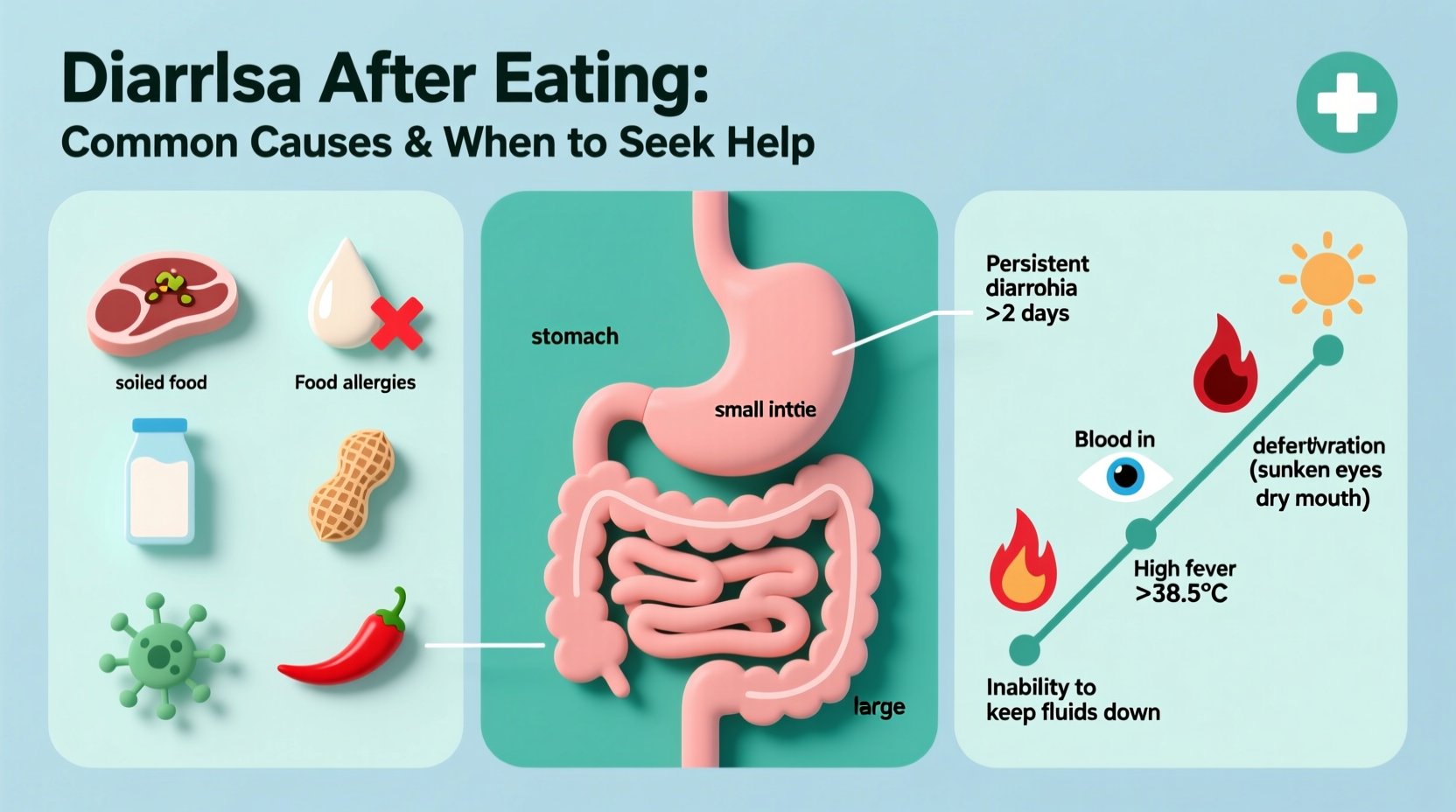
Postprandial diarrhea (diarrhea occurring after meals) can stem from various sources. Some are short-lived and easily managed; others point to long-term health issues. Below are the most frequent culprits:
- Dietary Triggers: Certain foods like spicy dishes, greasy meals, artificial sweeteners (e.g., sorbitol), and high-fiber items can accelerate digestion and lead to loose stools.
- Lactose Intolerance: Inability to digest lactose, a sugar found in dairy, often results in bloating, gas, and diarrhea within 30 minutes to two hours after consumption.
- Food Poisoning: Bacteria such as Salmonella, E. coli, or Staphylococcus can contaminate food and cause sudden onset diarrhea, nausea, vomiting, and fever.
- Irritable Bowel Syndrome (IBS): IBS-D (diarrhea-predominant type) frequently causes urgent bowel movements after eating due to heightened gut sensitivity.
- Gallbladder Removal: Without a gallbladder, bile flows continuously into the intestines. Excess bile can act as a laxative, especially after fatty meals.
- Celiac Disease: An autoimmune reaction to gluten damages the small intestine, leading to chronic diarrhea, fatigue, and nutrient deficiencies.
- Medications: Antibiotics, antacids containing magnesium, and certain diabetes drugs (like metformin) may disrupt gut flora or stimulate motility.
- Hyperthyroidism: An overactive thyroid speeds up bodily functions, including digestion, often resulting in frequent bowel movements.
When to Seek Medical Help
Most cases of post-meal diarrhea resolve within a day or two. However, specific warning signs indicate the need for prompt medical evaluation. Ignoring these symptoms could delay diagnosis of serious conditions.
“Recurrent diarrhea after eating isn’t something to normalize. If it persists beyond two weeks or is accompanied by weight loss or bleeding, patients should see a gastroenterologist.” — Dr. Lena Patel, Gastroenterology Specialist
Symptoms That Warrant Immediate Attention
| Symptom | Potential Concern | Action Recommended |
|---|---|---|
| Bloody or black tarry stools | GI bleeding, ulcers, or inflammatory bowel disease | Seek care within 24 hours |
| Fever above 101°F (38.3°C) | Infection or systemic inflammation | Contact doctor immediately |
| Unintentional weight loss | Malabsorption, celiac disease, or cancer | Schedule evaluation within a week |
| Severe abdominal pain or cramping | Obstruction, pancreatitis, or diverticulitis | Go to ER if persistent |
| Diarrhea lasting more than 14 days | Chronic condition (IBD, microscopic colitis) | Consult specialist for testing |
Step-by-Step Guide to Managing Post-Meal Diarrhea
If your symptoms are mild and infrequent, consider this structured approach before seeking emergency care:
- Pause and Observe: Stop eating new foods and note what you consumed in the past 2–6 hours.
- Hydrate: Sip water, oral rehydration solutions, or clear broths to replace lost fluids and electrolytes.
- Follow a Bland Diet: Stick to BRAT foods—bananas, rice, applesauce, toast—for 24 hours to firm stools.
- Avoid Irritants: Eliminate caffeine, alcohol, dairy, and fatty foods until symptoms subside.
- Monitor Symptoms: Track frequency, consistency, and associated discomfort using a journal or app.
- Consider Over-the-Counter Relief: Loperamide (Imodium) may reduce urgency but should not be used if fever or blood is present.
- Consult a Doctor: If no improvement in 48 hours or if red flags appear, schedule an appointment.
Mini Case Study: Identifying Hidden Food Triggers
Sarah, a 34-year-old teacher, began experiencing diarrhea 20–30 minutes after breakfast. She initially assumed it was stress-related. After logging her meals, she noticed the issue occurred only when she drank her favorite protein smoothie made with almond milk, whey powder, and frozen berries. Upon eliminating the whey protein, her symptoms disappeared. A follow-up test confirmed a mild dairy protein sensitivity—something she hadn’t known despite consuming dairy for years. This case highlights how subtle intolerances can manifest suddenly and mimic other conditions.
Do’s and Don’ts: Quick Reference Table
| Action | Do | Don't |
|---|---|---|
| Hydration | Drink small sips of electrolyte solution | Consume sugary sodas or energy drinks |
| Diet During Episode | Eat low-residue, binding foods | Eat spicy, greasy, or raw foods |
| Medication Use | Use loperamide temporarily if no fever | Take anti-diarrheals during suspected infection |
| Tracking Symptoms | Record meals, timing, and stool type | Assume all diarrhea is “just food poisoning” |
| Seeking Care | See a doctor after two weeks of recurrence | Delay evaluation due to embarrassment |
FAQ Section
Can anxiety cause diarrhea right after eating?
Yes. The gut-brain axis means emotional stress can trigger rapid intestinal contractions, especially in people with IBS. Anxiety may not cause diarrhea on its own but can worsen existing digestive sensitivity.
Is it normal to have diarrhea every time I eat out?
No. Consistent post-meal diarrhea when dining out may indicate food intolerance, poor food handling, or a condition like IBS. It should be evaluated, particularly if linked to specific cuisines (e.g., dairy-heavy or spicy foods).
What tests might a doctor order for chronic postprandial diarrhea?
Possible tests include stool analysis for infection, blood tests for celiac disease or thyroid function, breath tests for lactose intolerance, and imaging or endoscopy if inflammatory bowel disease is suspected.
Conclusion and Next Steps
Diarrhea after eating is more than just an inconvenience—it can reflect deeper digestive imbalances or serious health conditions. While many episodes resolve independently, recognizing patterns and knowing when to seek help is crucial. Simple changes in diet and hydration often provide relief, but persistent symptoms demand professional insight. Don’t dismiss ongoing digestive distress as “normal.” Early intervention can prevent complications and improve quality of life.
💬 Have you identified a trigger for your post-meal diarrhea? Share your experience or questions in the comments—your story might help someone else find answers.








