Cupping therapy has been used for centuries across various traditional medicine systems, particularly in Chinese and Middle Eastern practices. One of the most visible outcomes of this therapy is the appearance of circular marks on the skin—ranging from light pink to deep purple. Many people undergoing cupping are often surprised by the variation in mark intensity, especially when comparing sessions or different areas of the body. These differences are not random; they reflect underlying physiological responses influenced by multiple factors.
Understanding why some cupping marks are darker than others can demystify the process, reduce anxiety, and help individuals interpret their body’s signals more accurately. While darker marks don’t always indicate a problem, they do provide insight into circulation, toxin buildup, and tissue condition.
What Causes Cupping Marks?
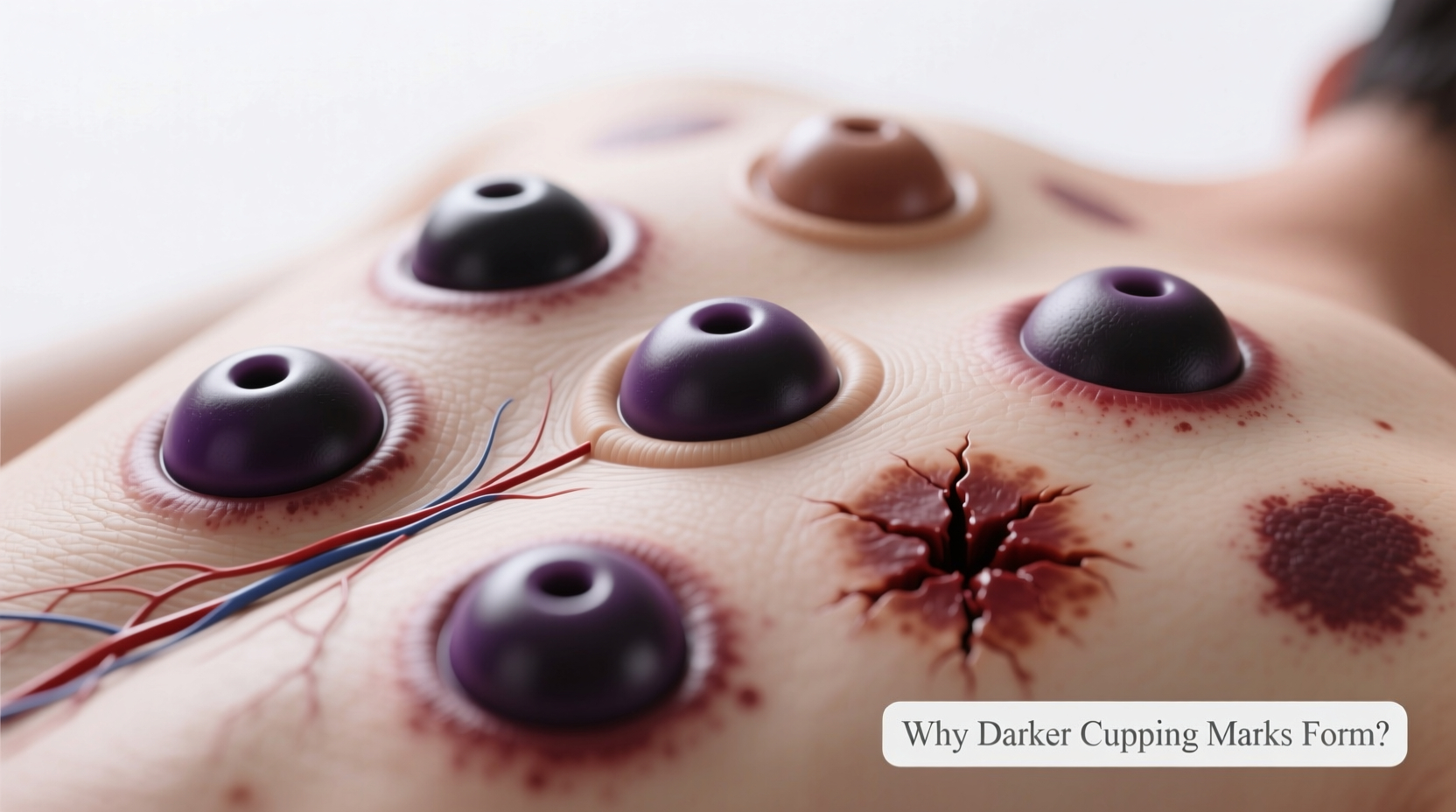
Cupping works by creating suction on the skin using glass, silicone, or plastic cups. This suction pulls blood toward the surface of the skin, causing small capillaries beneath the skin to break—a process similar to bruising. The resulting mark is essentially a localized accumulation of stagnant blood and fluids drawn from deeper tissues.
The color and intensity of the mark depend on how much blood is pulled to the surface and the condition of the underlying tissue. Unlike bruises caused by trauma, cupping marks are typically painless and fade within a few days to two weeks.
“Cupping marks are a window into the body’s circulatory patterns. Darker shades often correlate with areas of stagnation or congestion.” — Dr. Li Wen, Traditional Chinese Medicine Practitioner
Factors That Influence Mark Darkness
No two cupping sessions produce identical results—even on the same person. Several variables affect the depth and hue of the marks:
- Level of Toxin Buildup: Areas with higher concentrations of metabolic waste, lactic acid, or stagnant fluids tend to show darker marks.
- Blood Circulation: Poor circulation may result in slower healing and deeper discoloration due to reduced oxygen supply.
- Muscle Tension: Tight, overused muscles often trap toxins and restrict blood flow, making them more prone to dark marks.
- Suction Intensity: Stronger vacuum pressure draws more blood to the surface, increasing the likelihood of darker marks.
- Duratio>Of Application: Cups left on longer (typically 5–15 minutes) usually create more pronounced marks.
- Individual Skin Sensitivity: People with thinner skin or higher capillary density may develop darker marks more easily.
Interpreting Cupping Mark Colors
Practitioners often use mark color as a diagnostic tool. While not scientifically validated in Western medicine, these observations are consistent within clinical practice. Below is a general guide to interpreting cupping mark hues:
| Color | Meaning | Typical Duration |
|---|---|---|
| Pink or Light Red | Normal circulation; minimal stagnation. Common in healthy individuals or first-time users. | 2–4 days |
| Red | Mild inflammation or heat in the area. May indicate recent muscle strain. | 4–6 days |
| Purple/Blue | Poor circulation, chronic stagnation, or long-standing tension. Often seen in athletes or those with sedentary lifestyles. | 7–10 days |
| Dark Purple or Black | Severe stagnation, high toxicity levels, or chronic pain conditions. Suggests need for repeated treatments. | 10–14 days |
| Blanching or Pale Ring | Possible Qi deficiency or poor energy flow. Less common but notable in fatigue-related cases. | Fades quickly, sometimes within hours |
Real Example: Office Worker with Chronic Shoulder Pain
Jessica, a 38-year-old graphic designer, began cupping therapy after months of persistent upper back tightness. Her first session revealed very dark purple marks along her shoulders and upper trapezius—areas where she carried stress daily. Her practitioner noted that the darkness indicated significant blood stagnation likely caused by prolonged sitting and poor posture.
After four weekly sessions, subsequent cupping produced progressively lighter marks—shifting from dark purple to red, then pink. Jessica reported improved mobility and reduced discomfort. The fading mark intensity mirrored her body’s gradual release of built-up tension and improved microcirculation.
Do Darker Marks Mean More Toxins?
A common misconception is that darker cupping marks equate to “more toxins being pulled out.” While it’s true that stagnant areas may harbor metabolic waste, the term “toxins” is often oversimplified. In traditional terms, “toxins” refer to any substance impeding optimal function—such as lactic acid, uric acid, or inflammatory mediators—not necessarily environmental poisons.
Darker marks suggest greater vascular permeability and fluid mobilization, not necessarily a higher quantity of harmful substances. However, repeated cupping in the same area leading to lighter marks over time does imply improved tissue health and circulation.
Tip: Don’t judge treatment effectiveness solely by mark darkness. Relief from pain, increased range of motion, and better sleep are more reliable indicators.Step-by-Step: What to Expect During and After Cupping
- Consultation: A qualified therapist evaluates your condition and determines target areas.
- Preparation: Skin is cleaned, and oil may be applied for easier cup movement (in gliding cupping).
- Application: Cups are placed on specific points or along meridians using suction via pump or flame.
- Dwell Time: Cups remain for 5–15 minutes depending on goals and sensitivity.
- Removal: Suction is released, and cups are gently lifted off.
- Post-Care: Avoid cold showers, drafts, and strenuous activity for 4–6 hours. Stay hydrated.
- Monitoring: Observe mark development over 24–48 hours and track changes across sessions.
Common Myths About Cupping Marks
- Myth: Darker marks mean the therapist did something wrong.
Truth: Darkness reflects tissue condition, not operator error—though excessive pressure can cause unnecessary discomfort. - Myth: Cupping removes toxins directly through the skin.
Truth: Fluids are reabsorbed and processed by the lymphatic and circulatory systems, not expelled externally. - Myth: Everyone should have dark marks for effective treatment.
Truth: Light marks can still yield therapeutic benefits, especially in sensitive or well-circulated areas.
FAQ
Do darker cupping marks hurt more?
Not necessarily. Most people feel little to no pain during or after cupping, regardless of mark color. Discomfort, if present, is usually mild and temporary. Darker marks may feel slightly tender to touch, similar to a light bruise.
Can I get cupping if I bruise easily?
Yes, but inform your practitioner beforehand. They can adjust suction strength and duration to minimize excessive marking. Those on blood thinners or with clotting disorders should consult a doctor prior to treatment.
How can I make cupping marks fade faster?
Stay hydrated, support circulation with gentle movement, and consider taking arnica supplements (after consulting a healthcare provider). Avoid hot showers immediately post-treatment, as heat can increase inflammation.
Checklist: Preparing for a Cupping Session
- ✅ Drink plenty of water before and after
- ✅ Wear loose clothing to allow access to treatment areas
- ✅ Avoid caffeine or stimulants 2 hours prior
- ✅ Inform your therapist of any medical conditions or medications
- ✅ Schedule rest afterward—avoid intense workouts or stressful activities
- ✅ Take photos of marks to track progress between sessions
Conclusion
The variation in cupping mark color—from faint pink to deep violet—is a natural and informative part of the healing process. Darker circles often signal areas of stagnation, tension, or compromised circulation, while lighter ones reflect healthier tissue flow. Rather than fearing dark marks, view them as feedback from your body—an indication of where attention is needed.
With consistent care and professional guidance, many notice their marks gradually lighten over time, reflecting real improvements in physical wellness. Whether you’re exploring cupping for pain relief, recovery, or preventive care, understanding these signs empowers you to engage more deeply with your health journey.
💬 Have questions about your cupping experience? Share your story or ask for advice in the comments below—we’d love to hear how your body responds to this ancient therapy.








