
For over three decades, creatine has remained one of the most researched and widely used supplements in sports nutrition. Known for boosting strength, power output, and muscle mass, it’s a staple in the regimens of athletes, bodybuilders, and fitness enthusiasts alike. Yet, as new forms of creatine flood the market—each claiming superior benefits—consumers are left wondering: does the type of creatine really matter?
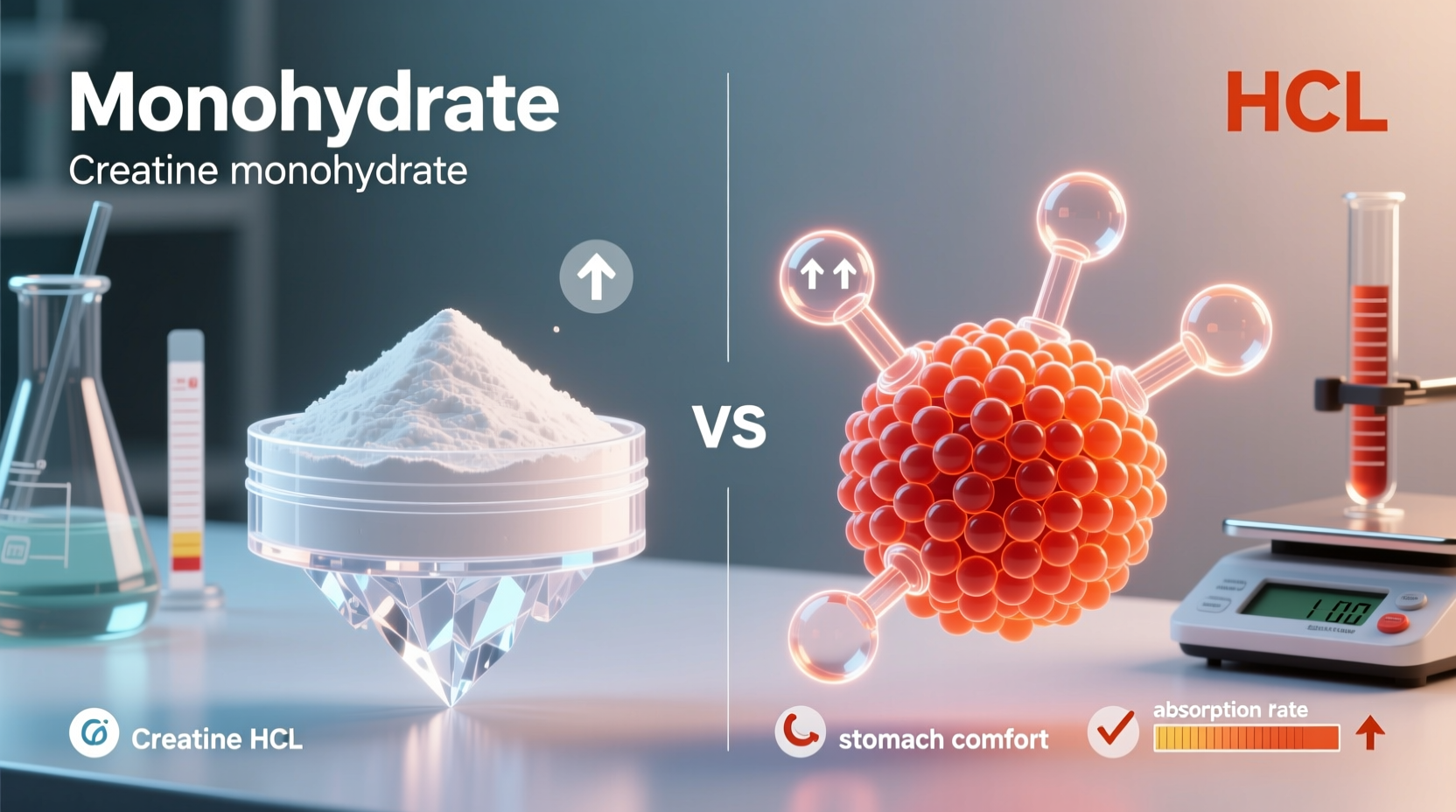
Creatine monohydrate has long been the gold standard. But newer variants like creatine hydrochloride (HCl) have entered the scene with promises of better solubility, faster absorption, and reduced bloating. So, is upgrading from monohydrate to HCl worth the extra cost? Or is this just another case of marketing outpacing science?
This article breaks down the key differences between creatine monohydrate and creatine HCl, examines the scientific evidence behind each, and helps you make an informed decision based on performance, cost, and practicality.
The Science Behind Creatine Supplementation
Creatine is a naturally occurring compound found primarily in muscle cells. It plays a crucial role in the production of adenosine triphosphate (ATP), the primary energy currency of the cell. During high-intensity, short-duration activities—like weightlifting or sprinting—your body relies heavily on ATP for rapid energy. Creatine helps regenerate ATP, allowing you to sustain peak performance for longer.
When taken as a supplement, creatine increases phosphocreatine stores in muscles, which enhances energy availability during intense exercise. This leads to measurable improvements in strength, power, training volume, and recovery. Over time, these adaptations contribute to increased muscle hypertrophy and improved athletic performance.
While the body produces some creatine endogenously (mainly in the liver and kidneys), dietary intake—primarily from meat and fish—supplements these levels. However, to achieve performance-enhancing concentrations, supplementation is typically required. And here’s where the debate begins: which form delivers the best results?
Creatine Monohydrate: The Proven Standard
Creatine monohydrate consists of a creatine molecule bound to a water molecule. It has been studied in hundreds of clinical trials since the early 1990s, consistently demonstrating safety, efficacy, and cost-effectiveness.
A typical dosage ranges from 3–5 grams per day, often preceded by a “loading phase” of 20 grams per day (split into 4 doses) for 5–7 days to rapidly saturate muscle stores. However, loading is optional; daily maintenance dosing achieves full saturation within about 28 days.
Extensive research supports its benefits:
- Increase in lean muscle mass by 1–2 kg over 4–12 weeks when combined with resistance training
- Improvements in maximal strength by 5–15%
- Enhanced power output during repeated sprints or sets
- Reduced fatigue during high-volume training
Despite its proven track record, some users report side effects such as bloating, water retention, or gastrointestinal discomfort—especially during the loading phase. These concerns have fueled interest in alternative forms like creatine HCl.
Tip: Taking creatine with a meal containing carbohydrates or protein may enhance uptake due to insulin-mediated transport into muscle cells.Creatine HCl: Marketing Claims vs Scientific Reality
Creatine hydrochloride is a salt form of creatine bound to hydrochloric acid. Manufacturers claim it offers several advantages over monohydrate:
- Higher solubility in water
- Better absorption at lower doses (often marketed as effective at 750–1500 mg)
- Reduced risk of bloating and stomach upset
- No need for loading
These claims stem from the chemical properties of HCl. Because it dissolves more readily in liquid, companies argue that it's absorbed more efficiently in the digestive tract, requiring smaller doses and minimizing gastrointestinal issues.
However, while solubility data is accurate, human studies validating these benefits are severely limited. As of now, there is no robust, peer-reviewed clinical trial demonstrating that creatine HCl outperforms monohydrate in terms of muscle creatine uptake, strength gains, or athletic performance.
One small study compared 3 grams of creatine HCl to 3 grams of monohydrate and found no significant difference in outcomes. Another industry-funded trial suggested HCl caused less bloating, but lacked blinding and independent replication. Until larger, impartial studies confirm these findings, the superiority of HCl remains speculative.
“Creatine monohydrate remains the most well-researched and cost-effective option available. Alternative forms may offer theoretical benefits, but they lack the depth of evidence to justify replacing monohydrate as the first-line choice.” — Dr. Abbie Smith-Ryan, PhD, Exercise Physiology Researcher, University of North Carolina
Direct Comparison: Monohydrate vs HCl
| Feature | Creatine Monohydrate | Creatine HCl |
|---|---|---|
| Research Support | Over 500+ studies, decades of use | Few human studies, mostly anecdotal |
| Dosage | 3–5 g/day (or 20 g/day loading) | 0.75–1.5 g/day (claimed) |
| Solubility | Moderate; may settle in water | High; dissolves easily |
| Cost per Serving | $0.10–$0.25 | $0.50–$1.20 |
| Side Effects | Mild bloating or water retention in some | Marketed as gentler; limited evidence |
| Muscle Uptake | Well-documented increase in stores | No proven advantage over monohydrate |
| Performance Benefits | Strong evidence for strength & power | Assumed similar, not proven superior |
The table highlights a critical point: while HCl wins on solubility and dosing convenience, it falls short on evidence and affordability. You’re paying significantly more per serving for a product that hasn’t demonstrated better results.
Real-World Example: John’s Supplement Switch
John, a 29-year-old powerlifter, had been using creatine monohydrate for two years. He noticed consistent gains in squat and bench press, but occasionally experienced mild bloating, especially when he forgot to drink enough water. After seeing an influencer promote creatine HCl as “gentler and more potent,” he decided to switch.
He purchased a premium HCl brand, taking the recommended 1 gram daily. After six weeks of training, he recorded his lifts and body composition. While he maintained his strength, there was no noticeable improvement in performance or reduction in bloating compared to his monohydrate phase. What stood out was the cost: the HCl container lasted half as long as his old monohydrate tub and cost three times as much.
Disappointed by the lack of return on investment, John switched back to micronized creatine monohydrate. By increasing his water intake and spreading his dose across meals, his digestive discomfort disappeared. His progress resumed without any setbacks.
John’s experience reflects a common trend: real-world outcomes rarely match the hype around newer creatine forms. When science and budget are prioritized over marketing, monohydrate consistently comes out ahead.
Practical Tips for Choosing the Right Creatine
Tip: Look for third-party tested brands with certifications like NSF Sport or Informed Choice, especially if you're a competitive athlete concerned about contaminants.Not all creatine supplements are created equal—even within the same form. Here’s how to ensure you’re getting a quality product:
- Choose micronized creatine monohydrate – This version dissolves more easily and may reduce digestive issues.
- Avoid proprietary blends – These hide exact dosages and may include ineffective amounts of creatine.
- Check for purity – High-quality monohydrate should list “creatine monohydrate” as the sole ingredient.
- Ignore flashy labels – Terms like “buffered,” “chelated,” or “advanced delivery” often add cost without benefit.
- Stick to trusted brands – Opt for companies with transparent labeling and third-party testing.
Step-by-Step Guide to Effective Creatine Use
- Determine your goal: Are you aiming for strength, endurance, or muscle growth? All benefit from creatine, but timing and consistency matter.
- Select the form: Based on current evidence, creatine monohydrate is the optimal starting point.
- Decide on loading (optional): Take 20 g/day (split into 4 doses) for 5–7 days, or skip loading and take 3–5 g daily.
- Pick a consistent time: Take your dose post-workout with a meal containing carbs and protein for optimal uptake.
- Stay hydrated: Drink plenty of water throughout the day to support cellular hydration and minimize cramping.
- Track your progress: Monitor strength gains, training volume, and how you feel after 4–6 weeks.
- Re-evaluate after 8–12 weeks: If results plateau or side effects persist, consider adjusting timing or form—but only after ruling out other factors.
Frequently Asked Questions
Does creatine HCl really work faster than monohydrate?
There is no conclusive evidence that creatine HCl works faster. While it dissolves more readily in water, this doesn't necessarily translate to quicker absorption or faster results in the muscle. Studies show creatine monohydrate effectively saturates muscle stores within 2��4 weeks of daily use.
Can I take too much creatine HCl?
While toxicity is extremely rare, exceeding recommended doses (even with HCl) offers no additional benefit and may strain digestion. Stick to label instructions, and remember that more isn’t always better. Long-term use at standard doses (up to 5 g/day) is considered safe for healthy individuals.
Is creatine monohydrate outdated?
No. Outdated implies replacement by something demonstrably better. Creatine monohydrate remains the most scientifically validated form. Newer versions may offer marginal convenience benefits, but none have surpassed monohydrate in overall efficacy, safety, and value.
Final Verdict: Does the Type of Creatine Really Matter?
The answer depends on your priorities. If you value scientific backing, affordability, and proven results, creatine monohydrate is still the clear winner. It’s effective, safe, and costs pennies per serving. Decades of research support its use across diverse populations—from elite athletes to older adults seeking to preserve muscle mass.
Creatine HCl may appeal to those who experience digestive discomfort with monohydrate or prefer smaller doses. Its higher solubility can make mixing easier, and some users report fewer side effects. However, these benefits are largely anecdotal, and the steep price premium is difficult to justify without stronger evidence.
In the absence of compelling data showing HCl’s superiority, switching from monohydrate is unlikely to yield better results. For most people, the type of creatine matters far less than consistency of use, proper hydration, and pairing supplementation with a sound training and nutrition plan.
💬 Have you tried both creatine monohydrate and HCl? What was your experience? Share your story in the comments and help others navigate the noise in the supplement aisle.








