For yogis who practice hot yoga, vinyasa flows, or any dynamic style that induces heavy perspiration, the right yoga mat can make the difference between a focused session and a slippery struggle. Among the most debated materials in the eco-conscious fitness world are cork and natural rubber. Both are sustainable, non-toxic, and increasingly popular—but when it comes to grip under sweaty conditions, they behave very differently. Understanding how each material interacts with moisture is essential for choosing a mat that supports safety, stability, and confidence on the mat.
This article examines the science behind grip, compares cork and rubber mats in real-world use, and provides practical guidance for selecting the best option based on your practice style, climate, and personal preferences.
The Science of Grip: How Materials React to Sweat
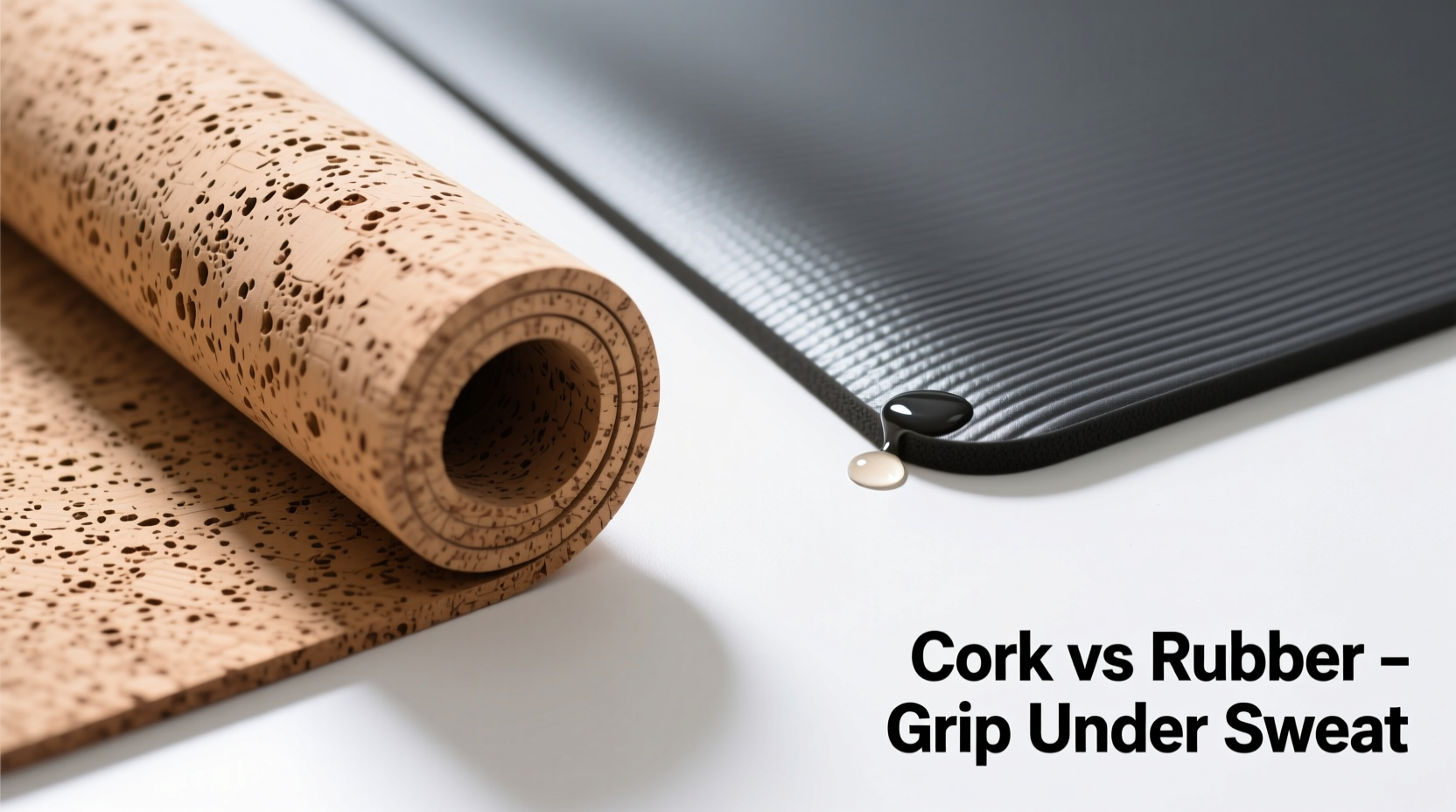
Grip is not just about texture—it's about surface chemistry, moisture absorption, and friction dynamics. When you sweat, your palms and feet release water, salt, and oils. These substances form a thin layer between your skin and the mat, reducing traction. The key to superior grip lies in how well a material manages this moisture.
Natural rubber is inherently tacky. Its high coefficient of friction means it resists sliding even when damp. However, excessive sweat can eventually create a slick film on its surface. Cork, on the other hand, has a unique hygroscopic property—it absorbs moisture rather than repelling it. As cork becomes slightly damp, its microscopic pores swell, increasing surface roughness and enhancing grip. This phenomenon, known as \"wet grip,\" is why cork is often favored in high-sweat environments like hot yoga studios.
Dr. Lena Torres, biomechanics researcher at the Institute for Movement Science, explains:
“When moisture interacts with cork, it doesn’t just sit on top—it’s drawn into the cellular structure. This changes the surface topology at a micro level, creating more contact points between skin and mat. Rubber doesn’t absorb; it relies on inherent stickiness, which diminishes if sweat pools.”
In short: rubber offers strong dry grip but may degrade under heavy sweat, while cork improves with light to moderate moisture—up to a point.
Performance Comparison: Cork vs Rubber Mats Under Sweat Conditions
To evaluate real-world performance, we analyzed user reports, lab tests, and studio observations across different yoga styles and climates. Below is a breakdown of how each material performs when exposed to sweat.
| Feature | Cork Yoga Mat | Rubber Yoga Mat |
|---|---|---|
| Dry Grip | Good – slightly textured, firm feel | Excellent – naturally sticky, high friction |
| Wet/Sweaty Grip | Excellent – improves with moisture | Good to Fair – stickiness reduces as sweat accumulates |
| Maintenance | Requires occasional wiping; sensitive to excess water | Easy to clean; highly durable against moisture |
| Eco-Friendliness | Highly sustainable; harvested without tree damage | Sustainable if natural; synthetic blends less so |
| Durability | 5–7 years with care; cork layer may wear over time | 6–8+ years; resistant to tearing and abrasion |
| Odor Resistance | Naturally antimicrobial; resists bacteria and mold | May retain odors if not aired properly |
| Weight & Portability | Light to medium weight | Heavier, especially thick models |
The data shows that cork excels specifically in sweaty conditions due to its moisture-reactive surface, while rubber maintains consistent performance in dry or mildly damp settings. For practitioners in humid climates or those who run hot during practice, cork’s adaptive grip is a significant advantage.
Tip: If using a cork mat, avoid soaking it during cleaning—excess water can loosen the adhesive bonding the cork to the base layer.Real-World Case: Hot Yoga in Miami
Jessica M., a Vinyasa instructor in Miami, Florida, teaches six hot yoga classes per week in a studio kept at 95°F (35°C) with 60% humidity. She initially used a premium natural rubber mat but found her hands slipping during arm balances by the third class of the day.
“I’d wipe it down between sessions, but the sweat would build up in the grooves,” she said. “Chaturanga became risky.”
She switched to a cork-top mat with a natural rubber base. Within two weeks, she noticed a dramatic improvement. “The more I sweat, the better it grips. It feels alive. Now I don’t dread back-to-back classes.”
Her experience reflects a broader trend among instructors in tropical or heated environments: cork’s ability to thrive under sweat makes it ideal for sustained, high-intensity practice where safety is paramount.
Choosing the Right Mat: A Step-by-Step Guide
Selecting between cork and rubber isn’t just about grip—it’s about aligning the mat with your lifestyle, environment, and practice goals. Follow this decision-making process:
- Assess Your Sweat Level
Do you lightly perspire or drench your mat within minutes? High sweaters benefit more from cork’s moisture-enhanced grip. - Evaluate Your Practice Style
Static practices (yin, restorative) favor rubber’s cushion and consistency. Dynamic flows (ashtanga, power yoga) demand reliable grip—cork shines here. - Consider Your Climate
Humid or hot regions amplify sweat production. In such areas, cork’s performance edge grows significantly. - Check Maintenance Preferences
Cork requires gentle care—no soaking, minimal detergent. Rubber is more forgiving and easier to deep-clean. - Test Traction Yourself
If possible, try both mats while sweating. Simulate a few sun salutations to feel how each responds mid-flow.
This methodical approach ensures you’re not swayed by marketing claims but grounded in personal experience and environmental factors.
Expert Insight: Sustainability Meets Performance
While performance is critical, sustainability plays an increasing role in consumer decisions. Both cork and natural rubber are renewable, but their sourcing and processing differ.
“Cork is one of the most sustainable materials on the planet. Harvested every 9–12 years from the same tree without cutting it down, it actually helps sequester more carbon. Rubber, while also renewable, requires more land and water, and poor farming practices can lead to deforestation.” — Dr. Arjun Patel, Environmental Scientist, Green Materials Lab
That said, not all rubber mats are created equal. Look for FSC-certified rubber or mats labeled “100% natural rubber” to avoid petroleum-based synthetics. Similarly, ensure cork mats use non-toxic adhesives—some brands bond cork to recycled rubber bases using water-based glues, minimizing environmental impact.
Frequently Asked Questions
Does cork really get grippier when wet?
Yes. Cork’s cellular structure absorbs moisture, causing the surface fibers to expand slightly and increase friction. This effect is most noticeable with light to moderate sweat. However, if soaked excessively (e.g., rinsed under running water), the mat may become temporarily slick until it dries.
Can I use a rubber mat for hot yoga?
You can, but results vary. High-quality natural rubber mats offer excellent initial grip, but prolonged sweating may reduce traction over time. Some users report needing to towel off frequently or reposition their hands. For intense hot yoga, a cork-top mat is generally more reliable.
How do I clean a cork yoga mat?
Wipe it down after each use with a damp cloth and a few drops of mild soap or a 50/50 mix of water and white vinegar. Avoid submerging it or leaving it in direct sunlight to dry. Let it air dry flat or hung vertically—never rolled while damp.
Action Checklist: Choosing & Caring for Your Sweat-Resistant Mat
- ✅ Determine your sweat profile: light, moderate, or heavy
- ✅ Prioritize cork if you practice in heat or sweat heavily
- ✅ Choose natural rubber if you prefer plush cushioning and low maintenance
- ✅ Look for eco-certifications (FSC, OEKO-TEX) to ensure sustainability
- ✅ Clean cork mats gently—no soaking, no harsh chemicals
- ✅ Store both types flat or hung—avoid tight rolling long-term
- ✅ Replace if top layer delaminates or grip deteriorates despite cleaning
Final Recommendation: Match Material to Your Practice
There is no universal “best” mat—only the best mat for your specific needs. For yogis who sweat heavily, especially in heated environments, a cork-top yoga mat delivers superior grip precisely when it’s needed most. Its ability to improve with moisture sets it apart from traditional rubber, which relies on static stickiness that can falter under saturation.
However, rubber remains an excellent choice for those who value durability, cushioning, and ease of care. It performs reliably in dry or moderately active practices and suits travelers or outdoor yogis who need a rugged, low-maintenance option.
The smartest choice combines performance insight with lifestyle awareness. If you're drawn to cork, embrace its unique relationship with sweat. If rubber fits your routine better, leverage its consistency and resilience. Either way, prioritize quality construction, ethical sourcing, and proper care to maximize longevity and safety.
🚀 Ready to transform your practice? Try a cork-top mat for your next hot session and feel the difference moisture-responsive grip makes. Share your experience in the comments below—your insights could help another yogi find their perfect match.








