For athletes, fitness enthusiasts, and anyone invested in physical recovery, cold therapy has become a cornerstone of performance optimization. Two popular forms—cold plunges and ice baths—are often used interchangeably, but they differ in setup, temperature control, and physiological impact. While both are praised for reducing inflammation and speeding muscle recovery, one key benefit stands out: improved circulation. But which method is more effective at enhancing blood flow and vascular function? This article breaks down the science, compares real-world applications, and delivers actionable insights to help you choose the right cold therapy for your recovery goals.
The Science of Cold Therapy and Circulation
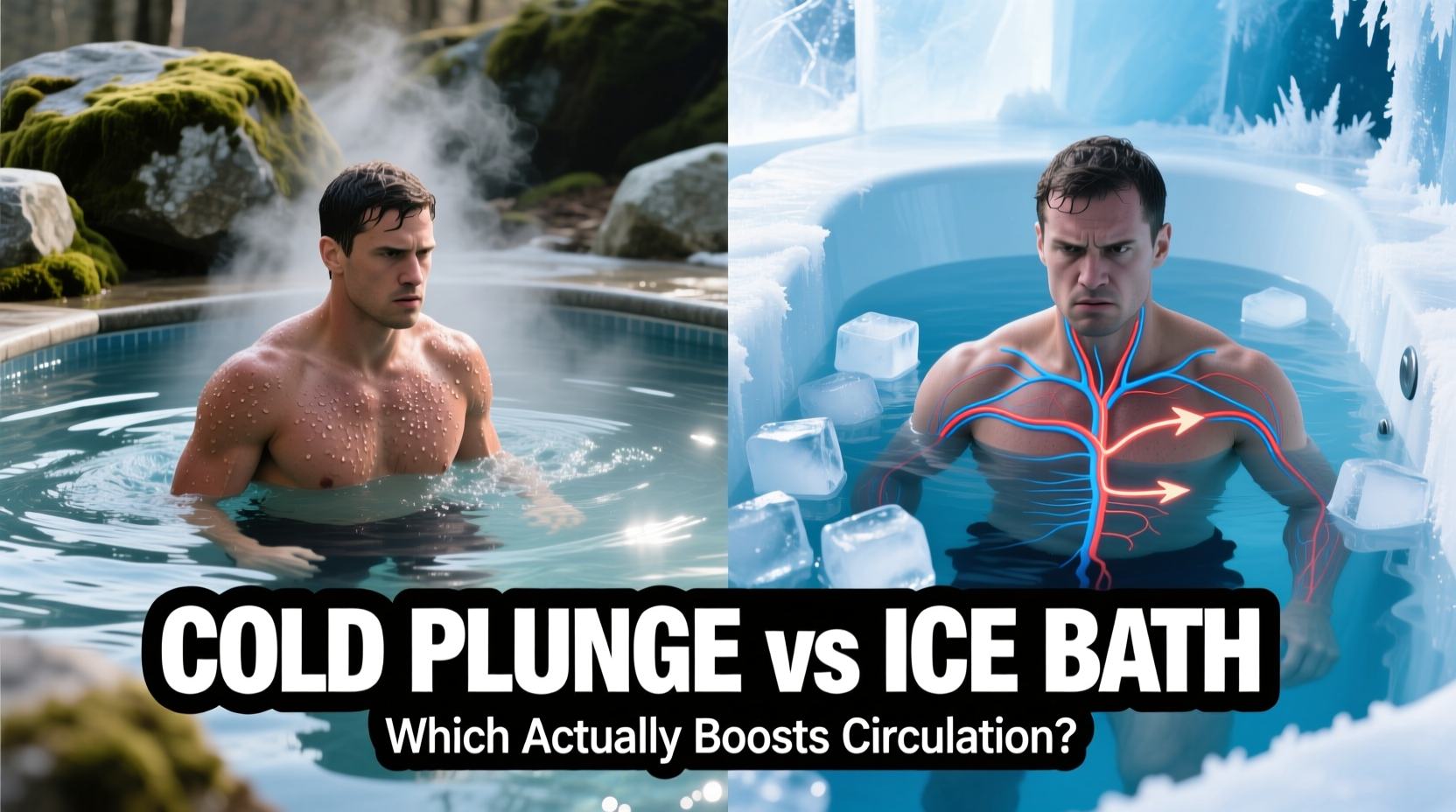
Cold exposure triggers a process known as vasoconstriction—the narrowing of blood vessels in response to low temperatures. As the body attempts to preserve core heat, blood is redirected from extremities toward vital organs. When you exit the cold environment, vasodilation occurs: blood vessels rapidly expand, increasing blood flow to previously restricted areas. This “pump” effect enhances oxygen delivery, clears metabolic waste like lactic acid, and supports tissue repair.
According to Dr. Craig Heller, a biology professor at Stanford University who studies thermoregulation and human performance, “The cycle of vasoconstriction and rebound vasodilation is one of the most potent natural stimulators of peripheral circulation. It’s akin to training your vascular system.”
This dynamic shift in blood flow is central to the therapeutic value of cold immersion. However, not all cold therapies produce this effect equally. The depth of immersion, water temperature, duration, and consistency of use all influence outcomes.
Cold Plunge: Precision and Control
A cold plunge typically refers to a dedicated unit—often a compact tub or tank—that maintains water temperatures between 50°F and 59°F (10°C–15°C) using a built-in chiller. Unlike makeshift ice baths, cold plunges offer consistent cooling, minimal maintenance, and faster setup.
Because the temperature is regulated, users can repeat sessions under identical conditions, making it easier to track progress and optimize timing. Most athletes use cold plunges for 2–5 minutes post-exercise, targeting rapid reduction in muscle temperature and inflammation.
Tip: Start with shorter durations (2 minutes) at the warmer end of the range (59°F) and gradually decrease time and temperature as your tolerance builds.The controlled environment of a cold plunge allows for sharper thermal contrast when exiting the water. This can amplify the vasodilation phase, potentially leading to greater circulatory benefits over time. Additionally, because there’s no melting ice to manage, water quality remains stable, reducing skin irritation risks.
Ice Bath: Accessibility and Tradition
An ice bath is usually created by filling a standard bathtub or large container with cold water and adding bags of ice until the temperature drops below 59°F (15°C), often reaching as low as 45°F (7°C). This method is more affordable and accessible, requiring only basic supplies.
However, ice baths come with variability. Temperature fluctuates as ice melts, making it difficult to maintain consistency across sessions. A bath that starts at 48°F may rise to 55°F within 10 minutes, altering the physiological stimulus. This inconsistency can reduce the reliability of circulatory responses.
Despite these drawbacks, many athletes still swear by ice baths. The deeper immersion—often up to the neck—exposes more surface area to cold, which may intensify the initial vasoconstrictive response. Some argue this broader exposure leads to a stronger rebound effect upon rewarming.
“The shock of full-body immersion in an ice bath creates a profound autonomic shift. It’s not just physical—it’s neurological.” — Dr. Rhonda Patrick, biomedical researcher specializing in metabolism and aging
Comparing Circulatory Impact: Key Differences
To determine which method better supports circulation, consider four critical factors: temperature stability, immersion depth, session consistency, and recovery intent.
| Factor | Cold Plunge | Ice Bath |
|---|---|---|
| Temperature Control | High – Maintains set temp via chiller | Low – Temp rises as ice melts |
| Immersion Depth | Moderate to full (depends on unit) | Typically full-body |
| Consistency Across Sessions | High – Repeatable conditions | Variable – Dependent on ice quantity and room temp |
| Circulatory Response | Predictable vasoconstriction/vasodilation cycles | Strong initial constriction; less predictable rebound |
| Practicality & Maintenance | Higher upfront cost, low daily effort | Low cost, high daily prep (ice, cleanup) |
While ice baths provide deep immersion, their lack of temperature precision may dampen long-term circulatory training effects. In contrast, cold plunges offer repeatable stimuli, allowing users to fine-tune protocols for maximum vascular adaptation.
Step-by-Step Guide to Optimizing Circulation with Cold Therapy
To get the most out of either method, follow this evidence-based protocol designed to enhance circulation through controlled thermal stress:
- Prepare Your Body: Avoid entering cold therapy immediately after intense strength training if hypertrophy is your goal. Wait 4–6 hours or perform cold exposure on non-lifting days to prevent interference with muscle growth signals.
- Set the Right Temperature: Aim for 50°F–59°F (10°C–15°C). Temperatures below 45°F increase risk of cold injury without proven added circulatory benefit.
- Time Your Session: Begin with 2 minutes. Gradually work up to 5–6 minutes as tolerance improves. Longer isn’t better—excessive exposure can suppress immune response and delay recovery.
- Focus on Breathing: Use slow, deep nasal breaths to activate the parasympathetic nervous system. This helps modulate the stress response and supports smoother transitions between vasoconstriction and vasodilation.
- Rewarm Strategically: After exiting, allow natural rewarming for 10–15 minutes before showering. Light movement (e.g., walking, dynamic stretching) encourages active hyperemia—increased blood flow due to muscle activity—which amplifies circulation gains.
- Track Progress Weekly: Note changes in perceived recovery, skin temperature return rate, and resting heart rate variability (HRV). Improved circulation often correlates with faster rewarming and higher HRV.
Real-World Example: Marathon Recovery Protocol
Consider Sarah, a competitive marathon runner preparing for a major race. During peak training weeks, she logs 70+ miles and experiences significant muscle soreness. Her coach introduces a structured cold therapy plan:
- Post-long-run routine: 4-minute cold plunge at 52°F within 30 minutes of finishing.
- Follow-up: Gentle foam rolling and hydration with electrolytes.
- Rewarm phase: 10-minute walk indoors, no immediate hot shower.
Over six weeks, Sarah notices her legs feel lighter the day after long runs. She tracks her recovery using a wearable device and observes a 12% improvement in HRV and a 20% faster return to baseline skin temperature—both indicators of enhanced circulatory efficiency. By sticking to consistent parameters, she leverages the cold plunge’s precision to train not just her muscles, but her vascular system.
Do’s and Don’ts of Cold Therapy for Circulation
| Do’s | Don’ts |
|---|---|
| Do keep sessions between 2–6 minutes | Don’t stay in longer than 10 minutes |
| Do breathe deeply and remain calm | Don’t hyperventilate or panic |
| Do maintain consistent water temperature | Don’t use uneven ice distribution |
| Do combine with light movement during rewarming | Don’t jump straight into a hot sauna |
| Do listen to your body’s signals | Don’t push through numbness or pain |
Frequently Asked Questions
Can cold plunges improve long-term vascular health?
Yes. Regular cold exposure has been shown to improve endothelial function—the lining of blood vessels—over time. Studies suggest repeated vasoconstriction and vasodilation strengthen vascular elasticity, similar to how aerobic exercise trains the heart. However, benefits require consistency and proper dosing.
Is an ice bath better than a cold plunge for circulation?
Not necessarily. While ice baths expose more of the body to cold, their inconsistent temperatures make it harder to achieve reliable circulatory adaptations. Cold plunges offer superior control, enabling users to replicate ideal conditions and progressively challenge their vascular response.
How soon after exercise should I do cold therapy for best circulation results?
Within 30–60 minutes post-exercise is optimal. This window captures peak inflammation and metabolic byproduct accumulation. Immediate cold immersion helps limit excessive swelling while priming the circulatory system for efficient clearance and repair.
Maximize Your Recovery: A Practical Checklist
- ☑ Choose a method (plunge or bath) based on budget and consistency needs
- ☑ Set water temperature between 50°F–59°F (10°C–15°C)
- ☑ Limit initial sessions to 2–3 minutes
- ☑ Focus on slow, controlled breathing throughout
- ☑ Rewarm naturally with light movement
- ☑ Track recovery metrics weekly (HRV, soreness, skin temp)
- ☑ Avoid daily use—limit to 3–4 times per week to prevent adaptation plateau
Conclusion: Choosing the Right Tool for Circulatory Gains
When it comes to boosting circulation, both cold plunges and ice baths have merit. The sharp thermal shift they induce activates powerful physiological responses that support recovery and vascular resilience. However, the cold plunge emerges as the more effective tool for those seeking measurable, repeatable improvements in blood flow. Its precise temperature control, ease of use, and consistency allow for targeted training of the circulatory system—something an unpredictable ice bath cannot reliably deliver.
That said, accessibility matters. If a cold plunge isn’t feasible, a well-prepared ice bath can still yield meaningful benefits, especially when used with intention and discipline. The key lies not in the equipment, but in the protocol: short durations, controlled breathing, strategic timing, and mindful rewarming.
💬 Ready to upgrade your recovery? Start tracking your cold therapy sessions this week—note how your body responds and share your experience. Small, consistent actions lead to lasting circulatory gains.








