Over the past few years, cold plunge tubs have surged in popularity among athletes, fitness enthusiasts, and wellness-focused individuals. From viral social media clips of people braving icy water to endorsements by biohackers and elite trainers, the idea of plunging into sub-50°F (10°C) water after a workout has become a symbol of discipline and recovery optimization. But beyond the hype, what does the science say? Are cold plunge tubs genuinely effective for muscle recovery, or are they just another wellness trend with exaggerated claims?
This article dives deep into the physiological effects of cold immersion, evaluates research on recovery outcomes, weighs practical considerations for home use, and separates evidence-based benefits from anecdotal enthusiasm.
The Science Behind Cold Immersion and Muscle Recovery
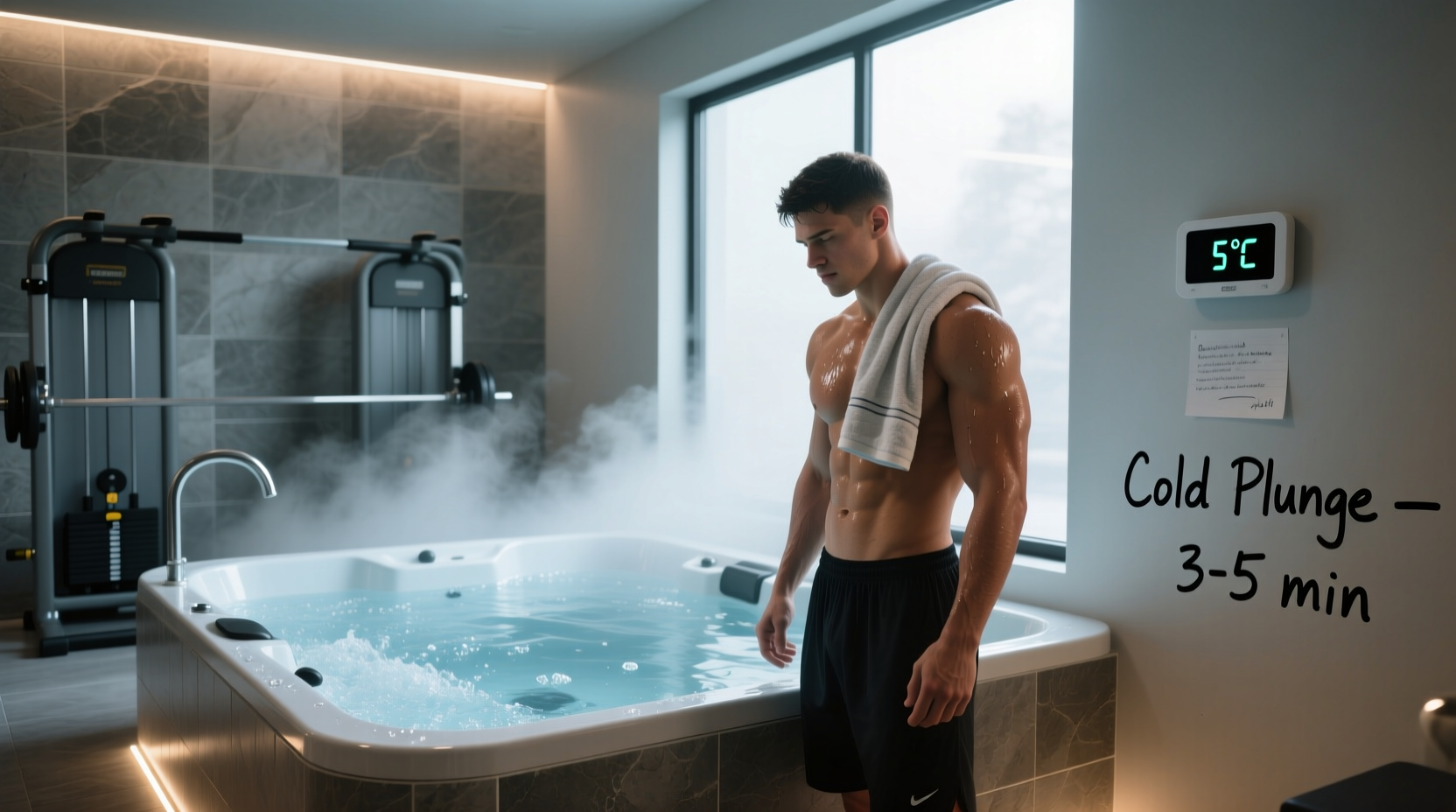
Cold water immersion (CWI), commonly known as cold plunging, works primarily through vasoconstriction—the narrowing of blood vessels in response to cold. When the body is submerged in cold water, blood flow to the extremities decreases, reducing swelling and inflammation in muscles and joints. This process can temporarily alleviate soreness and perceived fatigue.
One of the key mechanisms believed to aid recovery is the reduction of delayed onset muscle soreness (DOMS). DOMS typically peaks 24–72 hours after intense exercise and is linked to micro-tears in muscle fibers and localized inflammation. Studies suggest that cold plunges may blunt this inflammatory response, offering short-term relief.
A 2012 meta-analysis published in the Cochrane Database of Systematic Reviews examined 17 trials involving cold water immersion and found that participants reported less muscle soreness 24 to 96 hours post-exercise compared to passive recovery. However, the authors noted that while subjective soreness decreased, performance recovery—such as strength and power restoration—showed inconsistent results.
“Cold immersion can be a useful tool for managing acute soreness, especially in team sports with frequent games. But it shouldn’t replace other recovery strategies like sleep and nutrition.” — Dr. Craig Pickering, Performance Scientist and Former Olympian
It’s important to distinguish between symptom relief and true tissue repair. While cold plunges may make you *feel* better faster, they don’t necessarily accelerate the biological processes needed for long-term adaptation.
Benefits vs. Limitations: What Cold Plunges Can and Can't Do
Understanding the distinction between proven benefits and overstated claims is crucial when evaluating whether a home cold plunge tub is worth the investment.
Tip: Use cold plunges strategically—after high-intensity sessions or competitions—not as a daily default after every workout.Proven Benefits
- Reduced muscle soreness: Multiple studies confirm lower DOMS ratings after CWI compared to passive recovery.
- Improved circulation over time: Repeated exposure to cold followed by rewarming may enhance vascular resilience.
- Mental resilience training: Regular cold exposure can improve focus, stress tolerance, and mood regulation via norepinephrine release.
- Faster return-to-play in team sports: Useful in compressed game schedules where minimizing soreness is critical.
Commonly Overstated or Unproven Claims
- Boosts muscle growth: Some claim cold plunges enhance hypertrophy, but evidence suggests they may actually blunt it by suppressing inflammation necessary for muscle adaptation.
- Burns significant calories: While shivering increases metabolic rate temporarily, the caloric expenditure is modest and not a weight-loss strategy.
- Detoxifies the body: There’s no scientific basis for cold water “flushing toxins.” The liver and kidneys handle detoxification.
- Replaces sleep or nutrition: No recovery modality compensates for poor foundational habits.
Home Cold Plunge Tubs: Practical Considerations
Purchasing a cold plunge tub for home use represents a significant financial and spatial commitment. Units range from $2,000 to over $10,000, require dedicated electrical outlets, and need regular maintenance. Before investing, consider the following factors.
| Factor | Considerations | Recommendation |
|---|---|---|
| Cost | Entry-level units start around $2,000; premium models exceed $8,000. | Compare with alternatives like ice baths or local cryotherapy. |
| Space | Most tubs require 4' x 8' of indoor or outdoor space. | Measure your area and plan for drainage/access. |
| Maintenance | Filters, chlorine/bromine, and pump systems need weekly care. | Factor in ongoing time and chemical costs. |
| Energy Use | Chillers run continuously, increasing electricity bills. | Look for energy-efficient models with timers. |
| Usage Frequency | Most users plunge 2–4 times per week, not daily. | Assess if usage justifies cost. |
Alternatives to Expensive Home Tubs
- Ice baths: Fill a standard bathtub with water and 6–10 bags of ice. Cost-effective but labor-intensive.
- Local cryotherapy devices: Targeted cooling sleeves for knees, shoulders, or arms.
- Cold showers: Less potent but accessible and free. Gradually decrease temperature to build tolerance.
Real-World Example: A Marathon Runner’s Experience
Jenna, a 34-year-old recreational marathoner from Colorado, invested in a mid-range cold plunge tub after hearing about its benefits from her running group. Training for her third marathon, she experienced persistent quad soreness and knee irritation after long runs.
She began using the tub three times per week—immediately after long runs and speed workouts—submerging up to her waist for 10 minutes at 50°F (10°C). Within two weeks, she reported reduced soreness and improved readiness for back-to-back training days.
However, after six weeks, she noticed her leg strength gains plateaued. Upon consulting a sports physiologist, she learned that frequent cold exposure might be interfering with muscle protein synthesis. She adjusted her routine to use the plunge only after races or extreme efforts, reserving active recovery and proper nutrition for regular training days.
Her experience reflects a balanced approach: leveraging cold immersion for specific scenarios without over-relying on it.
Step-by-Step Guide to Using a Cold Plunge Effectively
If you decide to incorporate cold plunging into your recovery routine, follow this evidence-based protocol to maximize benefits and minimize risks.
- Wait 30–60 minutes post-exercise: Allow your body to cool naturally. Jumping straight into cold water immediately after lifting may impair muscle growth.
- Set water temperature between 45–55°F (7–13°C): Temperatures below 45°F increase shock risk without added benefit.
- Start with 5–6 minutes: Begin with shorter durations and gradually increase to 10–12 minutes as tolerance builds.
- Submerge up to the waist or chest: Full-body immersion isn’t required. Focus on areas worked during exercise.
- Breathe steadily: Practice slow, controlled breathing to manage the initial gasp reflex and reduce stress response.
- Rewarm gradually: After exiting, dry off and allow natural rewarming. Avoid hot showers immediately after, as rapid temperature shifts can strain the cardiovascular system.
- Limited frequency: Use 2–3 times per week, ideally after intense sessions, not daily workouts.
Frequently Asked Questions
Can cold plunges help with injury recovery?
For acute injuries (e.g., sprains or strains), cold immersion within the first 48 hours may reduce swelling and pain. However, prolonged use can delay healing by limiting inflammatory signals necessary for tissue repair. Always consult a healthcare provider before using cold therapy for injuries.
Are there risks to cold plunging?
Yes. Risks include hypothermia (with prolonged exposure), increased blood pressure, cardiac stress (especially in those with heart conditions), and cold shock response (gasping, hyperventilation). Individuals with cardiovascular issues should avoid cold plunges unless cleared by a physician.
Do cold plunges build immunity or improve metabolism?
Some studies suggest repeated cold exposure increases brown fat activity and norepinephrine levels, which may support metabolic health and immune modulation. However, these effects are modest and not a substitute for diet, exercise, or medical care. Long-term immunity claims remain speculative.
Conclusion: Effective Tool, Not a Magic Cure
Cold plunge tubs at home can be effective for reducing muscle soreness and supporting short-term recovery, particularly in high-frequency training environments. The science supports their role in managing DOMS and enhancing mental resilience. However, they are not a panacea for recovery, nor do they replace fundamental pillars like sleep, nutrition, and mobility work.
More concerning is emerging evidence that frequent cold immersion may interfere with long-term strength and muscle gains by blunting the inflammatory response essential for adaptation. This makes timing and frequency critical—cold plunges should be used strategically, not habitually.
For most people, the high cost and maintenance of a home cold plunge tub may not justify the marginal benefits, especially when simpler, cheaper alternatives exist. Ice baths, cold showers, or targeted cryotherapy can deliver similar results without the financial burden.
If you choose to invest in a cold plunge, treat it as one tool in a broader recovery toolkit—not the centerpiece. Use it selectively, monitor how your body responds, and prioritize holistic recovery practices above all.
💬 Have you tried a cold plunge at home? Share your experience, challenges, or questions in the comments below—your insights could help others decide whether this trend is right for them.