
A common cold typically lasts between 7 to 10 days. When symptoms persist beyond two weeks—especially into the third week—it’s reasonable to question whether it’s still just a cold or something more serious. While some viral infections can linger, a cold lasting three weeks may signal an underlying condition, secondary infection, or poor immune response. Understanding why this happens and knowing how to respond can help prevent complications and support a full recovery.
Why a Cold Might Last 3 Weeks
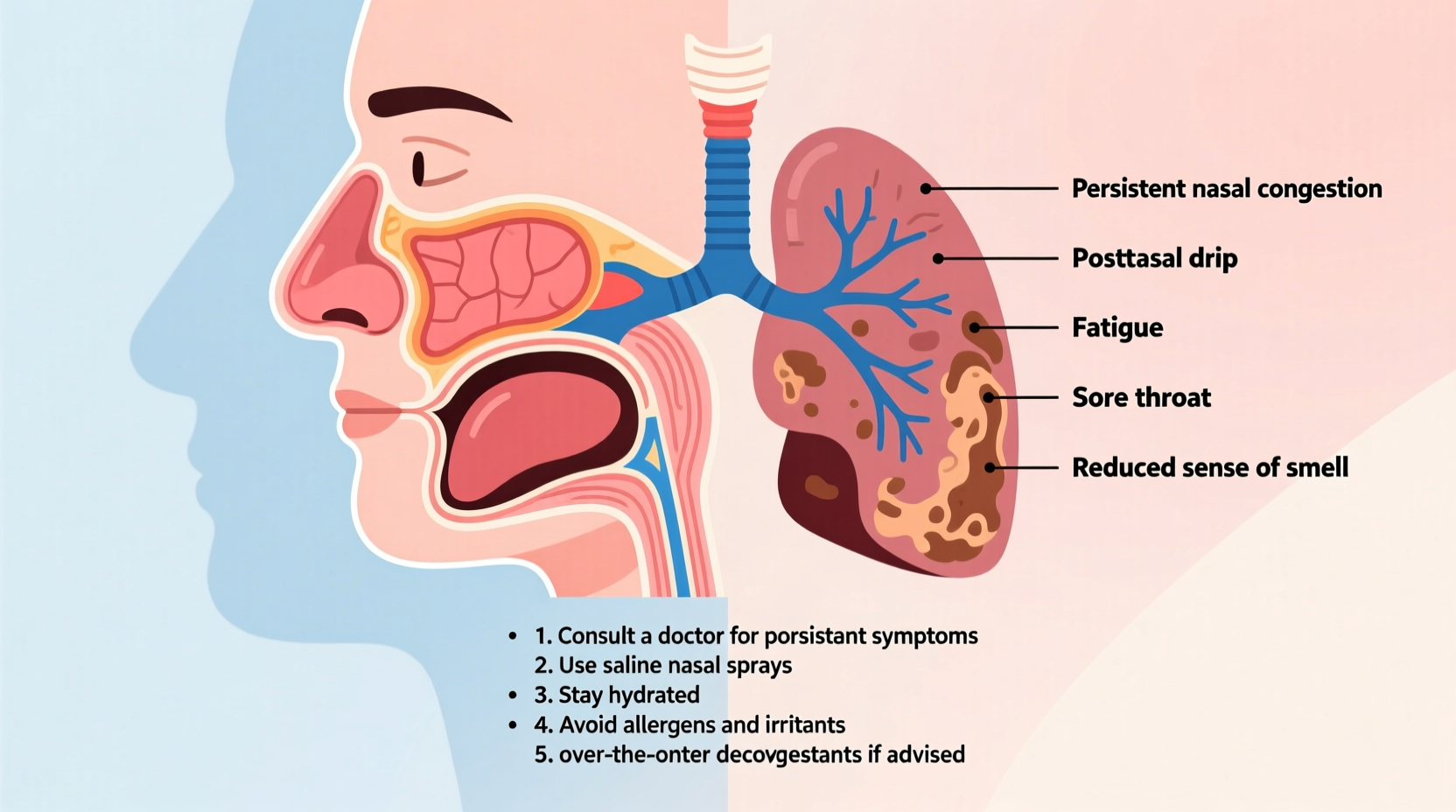
Most people expect a cold to resolve within a week or so. However, several factors can prolong symptoms. The initial virus may trigger prolonged inflammation, or your body might be fighting off a secondary infection. Additionally, environmental and lifestyle factors can slow healing.
Viral rhinitis—the technical term for the common cold—is caused by over 200 different viruses, most commonly rhinoviruses. These typically resolve on their own, but in some cases, the immune system remains activated long after the virus is gone, leading to persistent coughing, nasal congestion, or fatigue.
Tip: Track your symptoms daily. Note changes in severity, mucus color, or new symptoms like chest pain or fever spikes.Common Causes of Prolonged Cold-Like Symptoms
- Post-viral syndrome: After a viral infection, inflammation in the airways can last for weeks, especially causing lingering cough or fatigue.
- Sinus infection (sinusitis): If nasal congestion persists and is accompanied by facial pressure, thick yellow/green mucus, or headache, a bacterial sinus infection may have developed.
- Allergies: Seasonal allergies can mimic or extend cold symptoms, particularly sneezing, runny nose, and postnasal drip.
- Bronchitis: Inflammation of the bronchial tubes often follows a cold and can cause a nagging cough for several weeks.
- Weakened immunity: Stress, poor sleep, or chronic illness can impair recovery.
- Exposure to irritants: Smoke, pollution, or dry indoor air can aggravate respiratory tissues and delay healing.
“Persistent cold symptoms beyond 10–14 days warrant evaluation. It could be a secondary infection or another condition masquerading as a cold.” — Dr. Lena Torres, Board-Certified Internal Medicine Physician
When to See a Doctor
Not every extended cold requires medical attention, but certain red flags should not be ignored. Seek professional care if you experience any of the following:
- Fever returning or lasting more than 4 days
- Shortness of breath or chest tightness
- Severe sinus pain or swelling around the eyes
- Cough producing blood or rust-colored sputum
- Symptoms worsening after initial improvement
- Fatigue so severe it interferes with daily life
These signs may indicate pneumonia, strep throat, bronchitis, or even early signs of chronic conditions like asthma or autoimmune disorders. A healthcare provider can perform tests—such as a chest X-ray, throat swab, or blood work—to determine the cause.
Do’s and Don’ts During a Prolonged Cold
| Do | Don't |
|---|---|
| Stay hydrated with water, herbal teas, and broths | Consume excessive caffeine or alcohol |
| Rest and prioritize sleep | Push through symptoms with intense exercise |
| Use a humidifier to ease congestion | Smoke or expose yourself to secondhand smoke |
| Rinse sinuses with saline spray or neti pot | Overuse decongestant nasal sprays (limit to 3 days) |
| Monitor symptoms and keep a log | Self-prescribe antibiotics without diagnosis |
Step-by-Step Recovery Plan
If your cold has stretched into its third week, taking structured action can help speed recovery and prevent relapse. Follow this timeline-based approach:
- Day 1–3: Assess & Adjust
- Stop strenuous activity. Prioritize 8–10 hours of sleep.
- Increase fluid intake to at least 2 liters per day.
- Begin saline nasal irrigation twice daily.
- Day 4–7: Support Immunity
- Add vitamin C (from food or supplements), zinc (lozenges), and vitamin D if deficient.
- Include anti-inflammatory foods: ginger tea, garlic, leafy greens.
- Use a cool-mist humidifier at night to soothe airways.
- Day 8–14: Re-evaluate Progress
- If symptoms persist, consult a doctor. Request evaluation for sinus infection, bronchitis, or allergies.
- Consider allergy testing if postnasal drip or sneezing dominates.
- Avoid crowded places to prevent reinfection.
- Day 15+: Focus on Healing
- Gradually resume light activity like walking if energy allows.
- Continue hydration and nutrient-dense meals.
- If diagnosed with bacterial infection, complete prescribed antibiotics fully.
Real-Life Example: Sarah’s Lingering Cold
Sarah, a 34-year-old teacher, came down with a typical cold in late October—runny nose, sore throat, mild fatigue. She expected to feel better in a week, but by day 12, her cough worsened, and she developed facial pressure. Assuming it was “just a stubborn cold,” she continued teaching and skipped rest.
By week three, she struggled to breathe during stairs and noticed green mucus. Her primary care physician diagnosed acute bacterial sinusitis and prescribed a course of antibiotics. With proper treatment and two days of bed rest, her symptoms improved significantly within 48 hours.
Sarah’s case highlights a common pitfall: mistaking a secondary infection for a lingering cold. Early intervention could have prevented her decline, but recognizing the warning signs led to timely care.
Prevention Tips for Future Respiratory Health
Recurrent or prolonged colds may reflect gaps in preventive care. Strengthen your defenses with these evidence-backed strategies:
Tip: Wash hands frequently, especially after public transit or shared spaces. Use soap for at least 20 seconds.- Boost immunity: Maintain adequate levels of vitamin D (especially in winter), consider probiotics, and eat a balanced diet rich in fruits and vegetables.
- Manage stress: Chronic stress suppresses immune function. Practice mindfulness, deep breathing, or yoga.
- Improve indoor air quality: Use HEPA filters, clean HVAC systems, and avoid synthetic air fresheners.
- Vaccinate: Stay up to date on flu shots and recommended boosters (e.g., COVID-19) to reduce risk of complications.
- Avoid close contact: Limit exposure to sick individuals, especially during peak cold and flu season.
FAQ
Can a cold really last 3 weeks?
Yes, while uncommon, some colds can last up to three weeks due to post-viral inflammation, secondary infections, or misdiagnosis (e.g., allergies or sinusitis). However, symptoms should gradually improve. If they don’t, medical evaluation is advised.
Is it safe to exercise with a lingering cold?
Light activity like walking may be okay if symptoms are above the neck (e.g., runny nose). But if you have chest congestion, fatigue, or fever, rest is essential. Exercising too soon can prolong recovery or lead to complications like myocarditis.
Should I take antibiotics for a cold lasting 3 weeks?
No—antibiotics only treat bacterial infections, not viruses. Taking them unnecessarily contributes to antibiotic resistance. Only use antibiotics if a doctor confirms a bacterial infection like sinusitis or strep throat.
Conclusion: Take Action, Not Chances
A cold lasting three weeks isn’t normal—and ignoring it won’t make it go away faster. Whether it’s post-viral inflammation, a hidden sinus infection, or an allergic response, understanding the cause is key to recovery. Listen to your body, track your symptoms, and don’t hesitate to seek medical advice when needed.
With proper rest, hydration, and targeted care, most prolonged colds can be resolved without long-term effects. But prevention starts now: strengthen your immune system, optimize your environment, and treat your health with the seriousness it deserves.
💬 Have you experienced a cold that wouldn’t quit? Share your story or tips in the comments—your insight could help someone else find relief faster.








