
Mucus is a natural substance produced by the body to protect and lubricate the respiratory tract, digestive system, and other tissues. Normally clear and slippery, mucus becomes noticeable when its consistency changes—especially when it turns thick, sticky, or \"chunky.\" While occasional thick mucus is common during colds or dry weather, persistent or discolored mucus may signal an underlying condition. Understanding what drives these changes helps in identifying when symptoms are benign and when medical evaluation is necessary.
What Is Chunky Mucus?
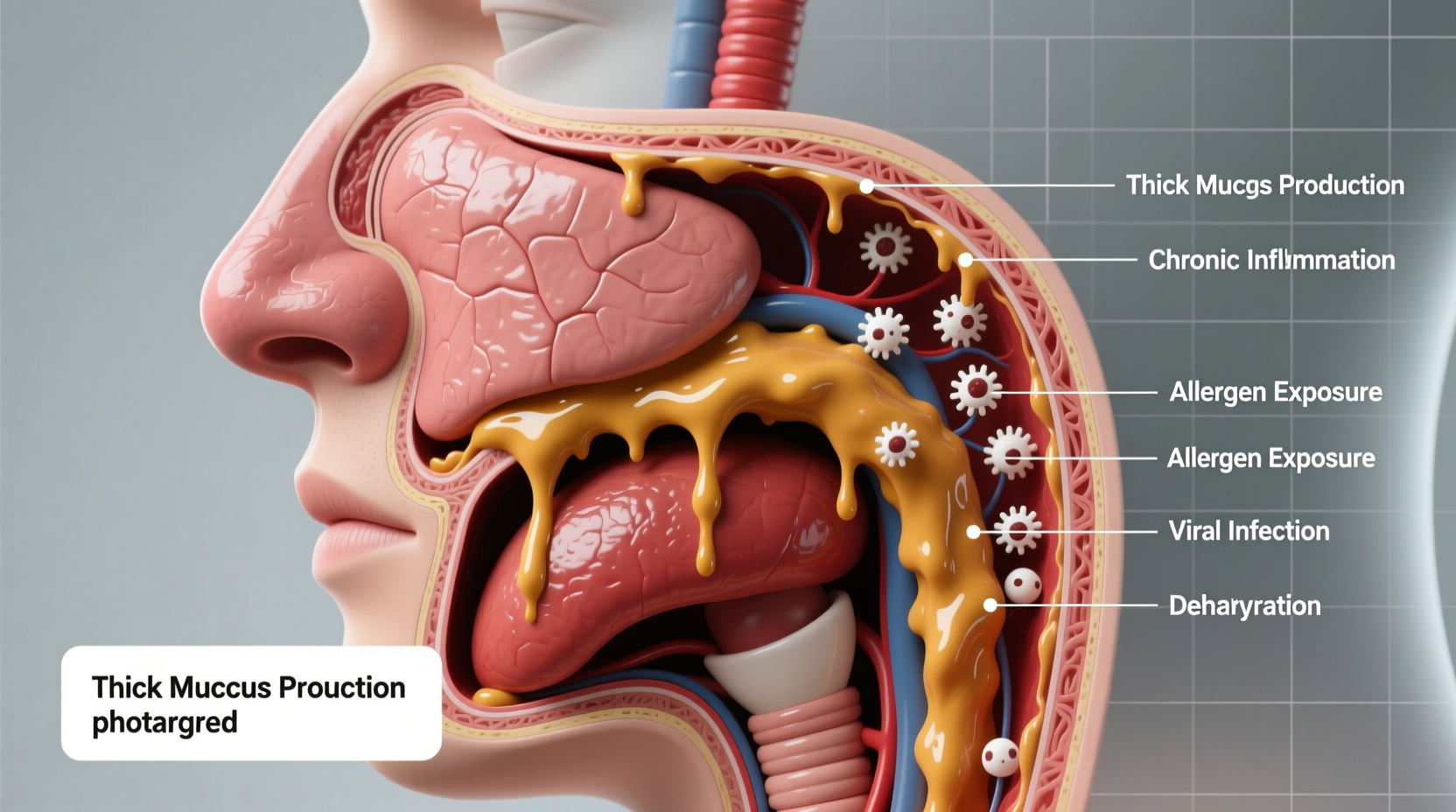
Chunky mucus refers to phlegm that is thicker than normal, often clumpy, stringy, or difficult to expel. It may appear white, yellow, green, or even brown depending on its cause. Unlike thin, watery mucus that flows easily, chunky mucus tends to cling to airway walls, making breathing or coughing more uncomfortable.
The texture change occurs due to increased concentration of proteins, dead cells, pathogens, or inflammatory debris within the mucus. The body ramps up mucus production and alters its composition in response to irritants, infections, or chronic conditions affecting the sinuses, throat, or lungs.
Tip: Staying well-hydrated helps thin mucus, making it easier to clear from the airways.Common Causes of Thick Mucus
Several factors can lead to the development of thick, chunky mucus. These range from temporary environmental exposures to long-term medical issues.
- Dehydration: Insufficient fluid intake concentrates mucus, making it thicker and harder to expel.
- Viral Infections: Colds and flu trigger excess mucus production as part of the immune response, often leading to postnasal drip with a viscous texture.
- Bacterial Infections: Sinusitis or bronchitis caused by bacteria frequently produce yellow or green mucus due to white blood cell accumulation.
- Allergies: Pollen, dust, or pet dander stimulate histamine release, increasing mucus volume and thickness.
- Smoking: Tobacco smoke damages cilia (tiny hair-like structures) in the airways, impairing mucus clearance and promoting buildup.
- Air Pollution or Dry Air: Irritants like smog, chemicals, or indoor heating reduce moisture in nasal passages, drying out mucus.
- Gastroesophageal Reflux Disease (GERD): Acid reflux can irritate the throat, causing a sensation of mucus buildup even without overproduction.
“Thick mucus isn’t always a sign of infection—it’s often the body’s way of trapping and removing irritants. But if it persists beyond 10 days or worsens, it deserves attention.” — Dr. Lena Patel, Pulmonologist
Medical Conditions Linked to Persistent Thick Mucus
While short-term mucus changes are usually harmless, chronic thick mucus may point to an ongoing health issue requiring diagnosis and treatment.
Chronic Bronchitis
A form of COPD, chronic bronchitis involves daily mucus production for at least three months over two consecutive years. Smoking is the primary risk factor, but long-term exposure to pollutants also contributes.
Sinusitis
Acute or chronic inflammation of the sinuses traps mucus, which becomes thick and infected. Symptoms include facial pressure, nasal congestion, and discolored discharge lasting more than a week.
Cystic Fibrosis
This genetic disorder causes abnormally thick mucus in the lungs and digestive tract due to defective chloride channels in cells. Patients often require aggressive airway clearance therapies.
Postnasal Drip
Excess mucus drips down the back of the throat from the nose or sinuses, creating a constant need to clear the throat and sometimes triggering coughing, especially at night.
| Condition | Typical Mucus Color | Duration | Other Key Symptoms |
|---|---|---|---|
| Cold/Virus | Clear → Yellow/Green | 7–10 days | Fever, sore throat, fatigue |
| Bacterial Sinusitis | Yellow/Green, sometimes foul-smelling | 10+ days without improvement | Facial pain, headache, fever |
| Allergies | Clear, watery or sticky | Seasonal or year-round | Sneezing, itchy eyes, congestion |
| GERD | Clear, but frequent throat clearing | Ongoing | Heartburn, sour taste, hoarseness |
How to Manage and Reduce Thick Mucus
Treating chunky mucus effectively depends on addressing its root cause. However, several general strategies can provide relief regardless of origin.
Step-by-Step Guide to Thinning Mucus
- Increase Fluid Intake: Drink water, herbal teas, or broths throughout the day to hydrate mucus membranes.
- Use a Humidifier: Add moisture to dry indoor air, especially at night, to prevent mucus from drying out.
- Gargle with Warm Salt Water: Soothes the throat and helps loosen postnasal drip.
- Try Steam Inhalation: Breathe in warm, moist air from a bowl of hot water or shower to open nasal passages.
- Nasal Irrigation: Use a saline spray or neti pot to flush out thick mucus and allergens from the sinuses.
- Avoid Irritants: Stay away from smoke, strong perfumes, and polluted environments.
- Elevate Your Head While Sleeping: Reduces postnasal drip and prevents mucus pooling in the throat.
When to See a Doctor
Most cases of thick mucus resolve on their own. However, certain red flags indicate the need for medical evaluation:
- Mucus persists longer than 10–14 days without improvement
- Green or bloody mucus accompanied by high fever or chest pain
- Shortness of breath, wheezing, or difficulty breathing
- Unexplained weight loss or fatigue alongside chronic mucus production
- History of lung disease, smoking, or immune compromise
A healthcare provider may order imaging, perform a sputum culture, or recommend pulmonary function tests to determine the underlying cause. Treatment could include antibiotics (for bacterial infections), antihistamines (for allergies), proton pump inhibitors (for GERD), or inhalers (for asthma or COPD).
Mini Case Study: Sarah’s Lingering Post-Cold Symptoms
Sarah, a 34-year-old teacher, recovered from a bad cold but continued to experience thick, green mucus for over two weeks. She assumed it was part of healing, but began feeling fatigued and developed facial pressure. After using OTC decongestants without improvement, she visited her doctor. A diagnosis of acute bacterial sinusitis was confirmed, and a course of antibiotics resolved her symptoms within days. Her case highlights how prolonged mucus changes—even after a viral illness—can mask a secondary infection needing targeted treatment.
FAQ
Can thick mucus be a sign of pneumonia?
Yes. Pneumonia often presents with thick, colored mucus (yellow, green, or rust-colored), along with fever, chills, and sharp chest pain when breathing. Anyone experiencing these symptoms should seek prompt medical care.
Why does my mucus get thicker at night?
Lying flat increases postnasal drip and reduces natural mucus clearance. Indoor air may also be drier at night, especially with heating, contributing to thicker secretions.
Is it bad to swallow mucus?
No. Swallowing mucus is safe and natural. The stomach neutralizes bacteria and viruses it contains. It does not prolong illness or cause harm.
Checklist: Managing Thick Mucus at Home
- ✅ Drink at least 8 glasses of water daily
- ✅ Run a humidifier in your bedroom at night
- ✅ Rinse sinuses with saline solution once or twice daily
- ✅ Avoid smoking and secondhand smoke
- ✅ Monitor mucus color and symptom duration
- ✅ Seek medical advice if symptoms last beyond 10 days
Conclusion
Chunky mucus is more than just a nuisance—it's a clue from your body about what’s happening internally. Whether triggered by dehydration, allergies, or infection, understanding the cause empowers you to respond appropriately. Simple lifestyle adjustments often bring fast relief, but recognizing warning signs ensures timely medical intervention when needed. Pay attention to your body’s signals, support your respiratory health proactively, and don’t hesitate to consult a professional if symptoms persist.
💬 Have questions about your mucus symptoms? Share your experience or ask for advice in the comments below—we’re here to help you breathe easier.








