
For those passionate about the human mind, emotional well-being, and personal growth, the holiday season offers a unique opportunity to give gifts that resonate on a deeper level. Psychology enthusiasts often appreciate tools that support introspection, self-awareness, and emotional regulation. Rather than generic presents, consider mindful, practical, and research-informed options like mindfulness journals and therapy-inspired kits. These gifts not only reflect an understanding of their interests but also actively contribute to their mental wellness journey.
Whether you're shopping for a student in clinical psychology, a therapist, or someone simply fascinated by cognitive behavior and emotional health, this guide explores curated, meaningful gift ideas. From guided journals rooted in CBT principles to sensory regulation kits inspired by therapeutic practices, each suggestion is designed to educate, soothe, and inspire.
Mindful Journals: More Than Just Notebooks
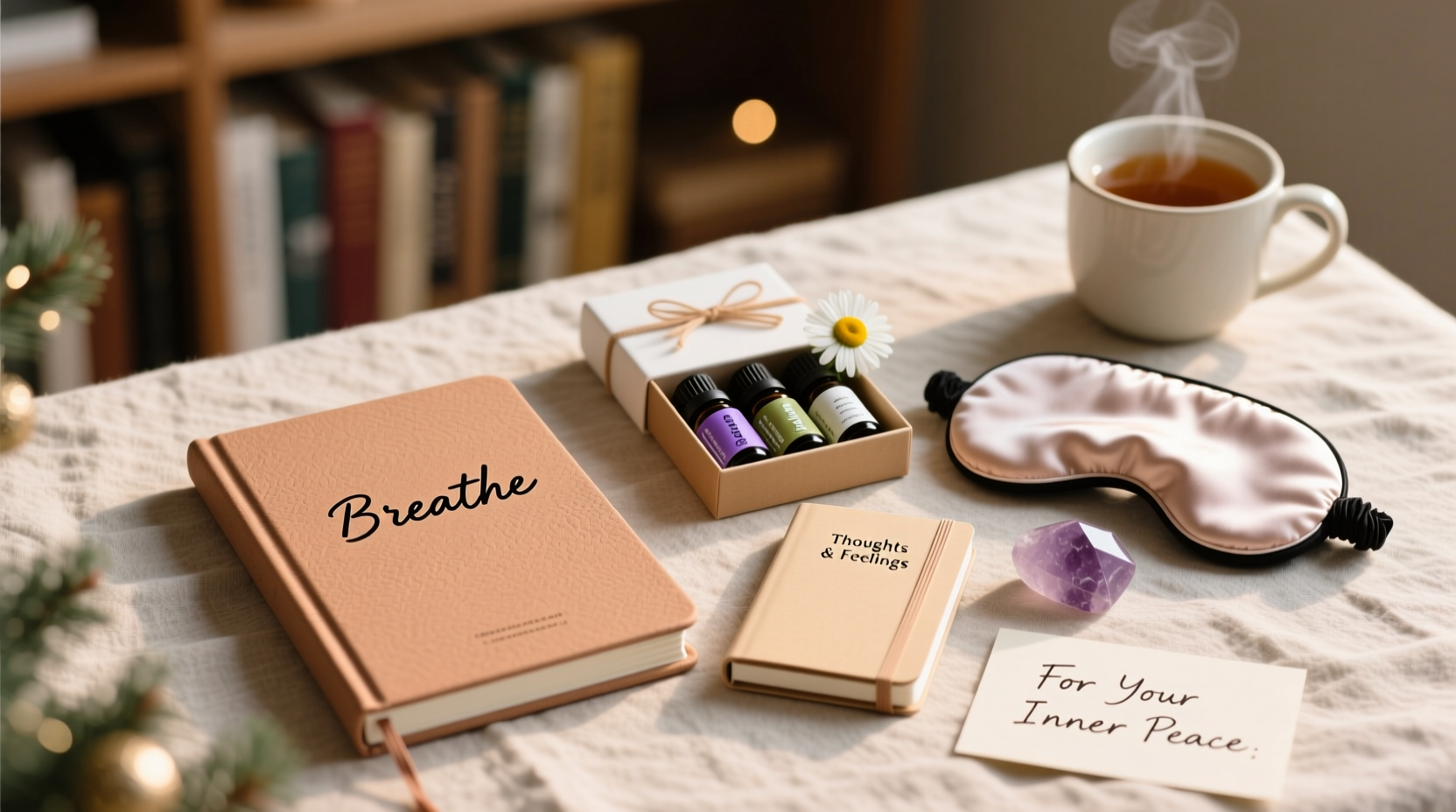
A journal is more than paper—it's a private laboratory for the psyche. For psychology lovers, a well-designed mindfulness journal can serve as both a reflective tool and a practical application of psychological concepts. Unlike standard diaries, these journals integrate prompts based on cognitive-behavioral therapy (CBT), dialectical behavior therapy (DBT), and positive psychology frameworks.
Consider journals that include structured exercises such as thought records, emotion tracking grids, gratitude logs, and values clarification worksheets. These features encourage users to identify cognitive distortions, regulate emotions, and reinforce adaptive thinking patterns—all core skills taught in therapeutic settings.
Tip: Choose journals with undated pages so users can start at any time and maintain flexibility in their practice.Some standout options include The Mindfulness Journal by Impact Publishers, which blends daily check-ins with weekly reflections grounded in mindfulness-based stress reduction (MBSR), and The Self-Compassion Workbook Journal, which guides users through Kristin Neff’s evidence-based framework for cultivating kindness toward oneself.
Therapy-Inspired Gift Kits: Curated for Emotional Wellness
A therapy kit doesn’t need to be clinical to be effective. Thoughtfully assembled gift sets can simulate aspects of therapeutic environments, offering comfort, grounding, and emotional regulation support. These kits are especially appreciated by individuals managing anxiety, ADHD, or high-stress lifestyles.
Such kits typically combine tactile items with educational components. For example, including a fidget tool alongside a small guide on nervous system regulation bridges sensory experience with psychological insight—making it both soothing and intellectually engaging.
“Gifts that double as wellness tools help normalize mental health care and reduce stigma. When we treat emotional regulation as seriously as physical fitness, we take a step toward cultural change.” — Dr. Lena Patel, Clinical Psychologist and Mental Health Advocate
Elements of a High-Quality Therapy Kit
- Sensory Tools: Weighted lap pads, textured stones, or aromatherapy inhalers calibrated to trigger calming neurological responses.
- Psychoeducation Cards: Pocket-sized cards explaining concepts like the window of tolerance, fight-flight-freeze response, or RAIN meditation technique (Recognize, Allow, Investigate, Nurture).
- Breathing Aids: Mini breathing pacer wheels or square-breathing guides to support paced respiration during moments of distress.
- Grounding Exercises: Printable PDFs or laminated cards with 5-4-3-2-1 grounding techniques, body scans, or bilateral stimulation prompts.
Comparative Overview: Top Mindfulness Journals & Therapy Kits
| Product | Best For | Key Features | Average Price |
|---|---|---|---|
| The Mindfulness Journal | Daily reflection & stress management | Guided prompts, habit trackers, MBSR-aligned exercises | $18–$22 |
| Cognitive Behavioral Journal | Identifying negative thought patterns | Thought records, mood charts, CBT worksheets | $15–$20 |
| Emotional Regulation Kit (DIY) | Anxiety relief & nervous system support | Fidget tools, breathing guide, grounding cards | $25–$40 (customizable) |
| Therapy Box Subscription (e.g., Calm Bear) | Ongoing mental wellness support | Monthly themed kits with journal + sensory items | $35/month |
| The Self-Esteem Workbook Journal | Building self-worth & identity clarity | Values exercises, inner critic dialogues, affirmations | $17–$21 |
This comparison highlights how different products cater to specific psychological needs. While pre-made journals offer structure, DIY therapy kits allow customization based on the recipient’s known triggers, preferences, and therapeutic goals.
Step-by-Step: How to Build a Personalized Therapy Kit
Creating a custom therapy kit demonstrates attentiveness and allows you to tailor the experience precisely to the recipient’s needs. Follow this process to assemble a meaningful, functional set.
- Assess Their Needs: Consider whether they struggle with focus, emotional reactivity, social anxiety, or burnout. This informs your selection of tools.
- Select a Container: Use a fabric pouch, wooden box, or insulated tote. Make sure it’s portable and visually calming (soft colors, minimal branding).
- Add Sensory Items: Include one or two tactile aids—a smooth worry stone, a soft plush keychain, or a squishy stress ball. Avoid overloading; too many textures can be overwhelming.
- Incorporate Breathing Support: Attach a small card with a 4-7-8 breathing diagram or include a mini hourglass timed for one minute of slow breathing.
- Include Psychoeducational Materials: Print concise explainers on topics like “How Anxiety Tricks Your Brain” or “The Science of Gratitude.” Keep them under 200 words.
- Personalize with a Letter: Write a short note connecting the items to their journey. Example: “I included the lavender inhaler because I remember you mentioning how scent helps ground you during meetings.”
- Test the Flow: Before gifting, walk through using the kit yourself. Does it feel intuitive? Is there a logical sequence from activation to calming?
“Personalization transforms a simple object into a relational artifact—one that carries memory, care, and intentionality.” — Dr. Marcus Tran, Human-Computer Interaction & Emotional Design Researcher
Real-Life Example: Gifting for a Graduate Student in Counseling
Maya, a third-year counseling psychology student, was overwhelmed balancing clinical rotations, coursework, and her own emotional boundaries. Her partner wanted to give her a gift that acknowledged her dedication without adding pressure.
Instead of another textbook or coffee mug, they created a “Boundaries & Breath” kit. It included:
- A compact journal titled Where Do I End and You Begin? focused on interpersonal boundaries
- A set of color-coded cards: red for “I need space,” yellow for “I’m listening but depleted,” green for “I’m available for deep talk”
- A small lava bead bracelet infused with cedar essential oil
- A printed guide on somatic awareness with diagrams of tension hotspots and quick-release techniques
Maya later shared that she used the red card during a group supervision session when feeling emotionally flooded. The nonverbal cue allowed her to step out gracefully, reinforcing healthy modeling for her peers. The gift wasn’t just symbolic—it became a functional part of her professional development.
Essential Checklist: What Makes a Gift Truly Thoughtful for Psychology Enthusiasts
Before finalizing your purchase or assembly, run through this checklist to ensure your gift aligns with both psychological principles and personal relevance:
- Educational Value:
- Does it teach a concept (e.g., neuroplasticity, emotional granularity) or reinforce a skill (e.g., labeling feelings, cognitive reframing)?
- Usability:
- Is it easy to integrate into daily life? Avoid overly complex systems that require setup or tech.
- Discretion:
- Can it be used in public without drawing attention? Many psychology enthusiasts value privacy around mental health tools.
- Aesthetic Sensitivity:
- Is the design calm and inviting? Cluttered layouts or loud colors may counteract intended soothing effects.
- No Stigma:
- Avoid labels like “for anxiety sufferers” or “mental illness aid.” Frame it positively—as a tool for resilience, insight, or growth.
Frequently Asked Questions
Are digital mindfulness apps appropriate gifts for psychology enthusiasts?
Yes, but with caveats. While apps like Headspace, Reflectly, or Woebot offer science-backed tools, they’re less tangible than physical journals or kits. If giving a subscription, pair it with a printed booklet explaining its evidence base and how to get started. This combination bridges digital utility with personal touch.
Can I create a therapy kit for someone without knowing their diagnosis?
Absolutely. Focus on universal psychological needs—regulation, connection, meaning—rather than pathology. Grounding tools, breathing techniques, and reflective prompts benefit everyone, regardless of clinical status. Avoid assuming conditions; instead, emphasize strength-building and prevention.
What if the person already has several journals?
Consider thematic specialization. If they own general journals, offer one focused on dreams, shadow work, relational patterns, or behavioral experiments. Alternatively, upgrade their experience with premium accessories: archival-quality pens, a leather journal cover with pen loop, or a lockable notebook for added privacy.
Conclusion: Gifts That Heal, Teach, and Connect
Choosing a Christmas gift for a psychology enthusiast isn’t about finding something clever or trendy—it’s about honoring their commitment to understanding the mind. Mindfulness journals and therapy kits go beyond surface-level appeal; they invite presence, foster insight, and support emotional agility. Each page written, each breath taken with intention, becomes a quiet act of self-respect.
These gifts carry a message: *I see your inner work. I value your healing. I believe in your growth.* In a world where mental health is increasingly recognized as foundational to overall well-being, such acknowledgment is profound.
🚀 Ready to make your holiday gifting more meaningful? Start building a personalized mindfulness kit today—or pick up a journal that speaks to the science of well-being. Share your favorite psychology-themed gift idea in the comments and inspire others to give thoughtfully.








