A cat with a runny nose is a common concern for pet owners. While occasional nasal discharge may seem minor, it can be a sign of underlying health issues ranging from mild infections to chronic conditions. Understanding the root cause is essential to providing appropriate care. Unlike humans, cats cannot blow their noses, so persistent mucus buildup can lead to discomfort, difficulty breathing, and even appetite loss due to impaired sense of smell.
Cat owners should pay attention not only to the presence of nasal discharge but also to its color, consistency, duration, and accompanying symptoms such as sneezing, coughing, lethargy, or eye discharge. Early intervention can prevent complications and improve recovery outcomes.
Common Causes of a Runny Nose in Cats
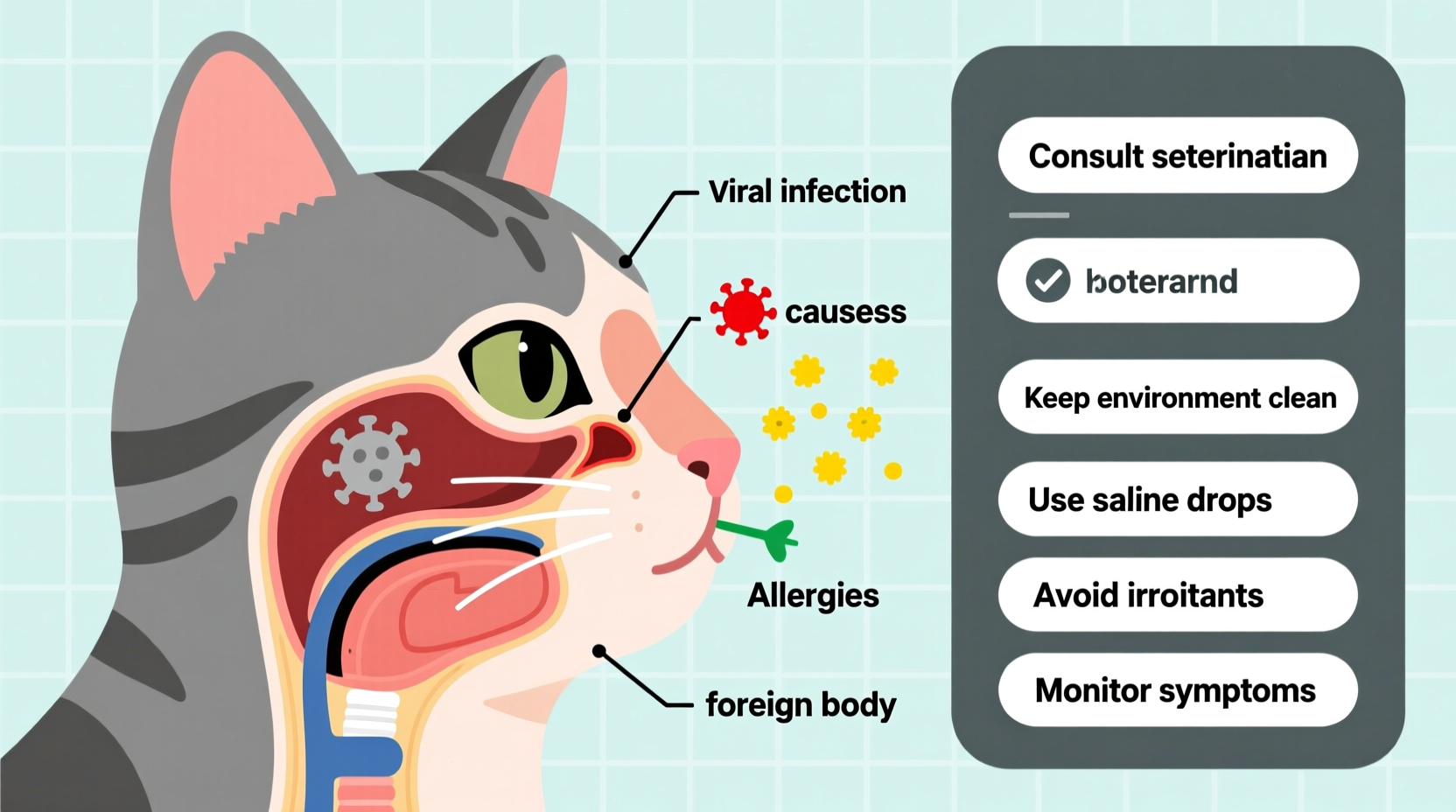
Nasal discharge in cats stems from various sources, both infectious and non-infectious. The most frequent triggers include viral infections, bacterial complications, allergies, and structural abnormalities.
- Feline Herpesvirus (FHV-1): One of the leading causes of upper respiratory infections in cats. It often results in clear or slightly cloudy nasal discharge, sneezing, and conjunctivitis. Stress can trigger reactivation of this latent virus.
- Feline Calicivirus (FCV): Another major viral pathogen that causes respiratory symptoms, oral ulcers, and sometimes limping in kittens. Nasal discharge varies from watery to thick and purulent.
- Bacterial Infections: Often secondary to viral infections. Common bacteria include *Chlamydophila felis* and *Bordetella bronchiseptica*, which can cause persistent sneezing and yellow-green discharge.
- Allergies: Environmental allergens like pollen, dust, mold, or household cleaners may lead to chronic, intermittent nasal drip without fever or severe illness.
- Nasal Foreign Bodies: Grass blades, seeds, or small objects can become lodged in the nasal passage, typically causing one-sided discharge and pawing at the face.
- Dental Disease: Tooth root abscesses, especially in the upper premolars, can erode into the nasal cavity and result in unilateral (one-sided) pus-like discharge.
- Nasal Polyps or Tumors: More common in older cats, these growths can obstruct airflow and produce chronic drainage, often bloody or foul-smelling.
When to See a Veterinarian
While mild sniffles may resolve on their own, certain signs warrant prompt veterinary evaluation. Delaying treatment can lead to dehydration, pneumonia, or permanent damage to delicate nasal tissues.
“Cats are masters at hiding pain. A runny nose combined with reduced appetite or energy should never be ignored.” — Dr. Lena Torres, DVM, Feline Internal Medicine Specialist
Seek immediate veterinary attention if your cat shows any of the following:
- Thick yellow, green, or bloody nasal discharge
- Persistent sneezing lasting more than 7–10 days
- Difficulty breathing or open-mouth breathing
- Lack of appetite or refusal to eat
- Swelling around the nose or face
- Lethargy or fever (over 103°F)
- Eye discharge or squinting
Step-by-Step Guide: What to Do at Home (and When to Stop)
If your cat has just started showing mild symptoms, supportive care at home may help during the early stages—especially if the cat remains active and continues eating.
- Keep the Environment Clean and Humid: Use a cool-mist humidifier to loosen mucus and ease breathing. Avoid strong scents or aerosols that could irritate the airways.
- Wipe Discharge Gently: Use a soft, damp cloth to clean around the nose and eyes several times a day. This prevents crusting and reduces irritation.
- Encourage Eating and Drinking: Warm up canned food slightly to enhance aroma, helping your cat smell and eat better. Offer fresh water frequently.
- Minimize Stress: Provide a quiet space away from other pets or loud noises. Stress suppresses immunity and can worsen symptoms.
- Monitor Closely: Track changes in behavior, appetite, and discharge for 48–72 hours.
If there's no improvement—or if symptoms worsen—stop home treatment and contact your vet. Never administer human medications like decongestants or antihistamines without veterinary guidance; many are toxic to cats.
Diagnosis and Veterinary Treatment Options
Veterinarians use a combination of clinical history, physical examination, and diagnostic testing to determine the cause of nasal discharge.
| Diagnostic Method | Purpose | What It Can Reveal |
|---|---|---|
| Nasal Swabs | Test for viruses (FHV, FCV) or bacteria | Identifies infectious agents |
| Blood Tests | Assess immune response and organ function | Rules out systemic illness |
| Radiographs (X-rays) | Examine nasal passages and sinuses | Detects tumors, polyps, or dental abscesses |
| CT Scan or Rhinoscopy | Detailed imaging and direct visualization | Gold standard for identifying structural issues |
| Biopsy | Analyze tissue samples | Confirms cancer or chronic inflammation |
Treatment depends on the diagnosis:
- Viral infections: Supportive care, lysine supplements (controversial), antiviral eye drops (for FHV-related keratitis).
- Bacterial infections: Antibiotics such as doxycycline or clavamox.
- Allergies: Identify and remove triggers; steroids or immunotherapy in severe cases.
- Foreign bodies or polyps: Surgical removal under anesthesia.
- Dental disease: Tooth extraction and antibiotics.
Mini Case Study: Bella the Persian Cat
Bella, a 5-year-old Persian, developed a persistent runny nose over three weeks. Her owner initially assumed it was a cold and tried steam therapy and gentle wiping. However, Bella stopped eating, her discharge turned yellow-green, and she began sneezing violently.
At the vet clinic, a CT scan revealed a large nasal polyp obstructing her left nostril. After surgical removal, Bella recovered fully within two weeks. Her case highlights how chronic symptoms—even without fever—can indicate serious structural problems requiring advanced diagnostics.
Prevention Checklist
Reducing the risk of recurrent nasal issues involves proactive care and awareness. Follow this checklist to keep your cat healthy:
- ✅ Keep vaccinations up to date (especially FVRCP for herpes and calici viruses)
- ✅ Schedule annual dental exams
- ✅ Minimize exposure to outdoor allergens and smoke
- ✅ Quarantine new cats for at least 14 days to prevent disease spread
- ✅ Maintain clean litter boxes, bedding, and food bowls
- ✅ Use air purifiers in homes with multiple cats or allergy-prone felines
Frequently Asked Questions
Can I treat my cat’s runny nose at home?
Mild, clear discharge with normal appetite and energy may be managed temporarily with humidity, gentle cleaning, and monitoring. However, if symptoms persist beyond a few days or worsen, professional evaluation is necessary. Never give human medications to cats.
Is a runny nose contagious to other cats?
Yes, if caused by infectious agents like feline herpesvirus or calicivirus. These spread through saliva, eye/nose discharge, and shared items like bowls or toys. Isolate sick cats and disinfect surfaces with veterinary-approved products.
Why does my cat have a runny nose but seems fine otherwise?
Occasional nasal drip can result from minor irritants like dust or temperature changes. However, chronic or recurring discharge—even without obvious illness—may point to allergies, low-grade infection, or early-stage dental disease. Consistent observation is key.
Conclusion: Act Early, Care Consistently
A runny nose in cats is more than just a nuisance—it’s a signal that something may be off internally. Whether it’s a temporary virus or a deeper health concern, timely attention makes all the difference. By understanding the possible causes, recognizing red flags, and knowing when to seek help, you empower yourself to provide better care for your feline companion.
💬 Your experience matters! Have you helped a cat recover from a respiratory issue? Share your story in the comments to support fellow cat lovers.








