Acne doesn’t just appear on the face—it’s common on the back, chest, shoulders, and even arms. When over-the-counter body washes or creams don’t deliver results, many people turn to skincare products they already have at home, like facial toners. But is it safe or effective to apply a product designed for the face to larger areas of the body? The answer isn’t a simple yes or no. While some facial toners can help manage mild body acne, their formulation, active ingredients, and intended use matter significantly.
Body skin differs from facial skin in thickness, oil production, and exposure to friction and sweat. These differences influence how products perform and whether they’re appropriate for broader application. Using a facial toner on body acne might offer temporary relief or spot treatment benefits, but misuse could lead to irritation, dryness, or worsening breakouts. Understanding ingredient profiles, skin tolerance, and proper application techniques is essential before extending your facial skincare routine below the neck.
How Facial Toners Work on Acne-Prone Skin
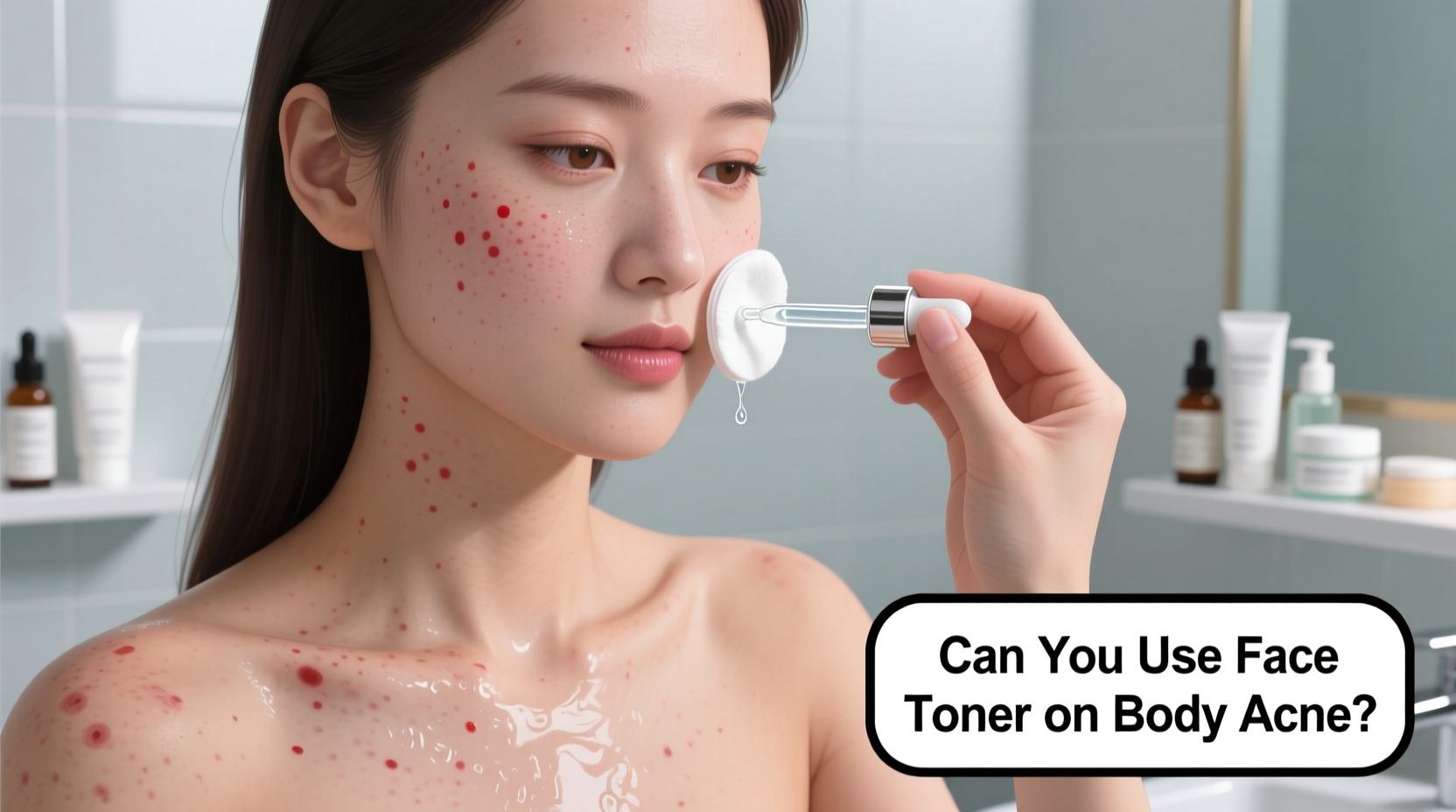
Facial toners were once primarily used to restore pH balance after cleansing, but modern formulations often include active ingredients that target specific concerns like acne, excess oil, and clogged pores. Many acne-fighting toners contain ingredients such as salicylic acid, glycolic acid, witch hazel, tea tree oil, or niacinamide—compounds known for their exfoliating, anti-inflammatory, or antimicrobial properties.
Salicylic acid, a beta-hydroxy acid (BHA), penetrates oil-filled pores and helps dissolve dead skin cells and sebum that contribute to acne. Glycolic acid, an alpha-hydroxy acid (AHA), works on the skin’s surface to promote cell turnover and prevent pore blockage. Witch hazel acts as a natural astringent with mild anti-inflammatory effects, while tea tree oil has demonstrated antimicrobial activity against *Propionibacterium acnes*, the bacteria involved in inflammatory acne.
These ingredients can be beneficial for body acne when used correctly. However, facial toners are typically formulated for smaller surface areas and more sensitive facial skin. Applying them over large sections of the body—especially skin exposed to clothing friction, sweat, and sun—requires careful consideration of concentration, frequency, and overall skin compatibility.
Tip: Always patch test a small area of your body before applying facial toner widely to check for irritation or allergic reactions.When It Makes Sense to Use Face Toner on Body Acne
There are specific scenarios where using a facial toner on body acne can be both practical and effective. For example, treating isolated breakouts on the upper back, décolletage, or shoulders—areas with thinner skin similar to the face—may respond well to targeted application of a gentle, acne-fighting toner.
If your body acne consists of mild blackheads, whiteheads, or occasional inflammatory pimples rather than widespread cystic lesions, a toner with low concentrations of salicylic acid (0.5%–1%) or soothing agents like niacinamide can help regulate oil and unclog pores without excessive drying. Spot treatments using cotton rounds or pads soaked in toner can minimize product waste and reduce the risk of over-exposure.
Additionally, individuals who already use a trusted, non-comedogenic facial toner without irritation may find it convenient to extend its use to nearby body zones. This approach works best when the toner is alcohol-free or contains hydrating additives like glycerin or aloe vera, which help maintain moisture balance even during exfoliation.
“Some facial toners, especially those with salicylic acid or mild AHAs, can assist with body acne—but only if applied cautiously and not on broken or highly irritated skin.” — Dr. Lena Patel, Board-Certified Dermatologist
Key Ingredients to Look For (and Avoid)
Not all facial toners are created equal. To safely use one on body acne, examine the ingredient list carefully. Here's a breakdown of beneficial components and red flags:
| Ingredient | Benefits for Body Acne | Cautions |
|---|---|---|
| Salicylic Acid (0.5%–2%) | Exfoliates inside pores, reduces blackheads and mild inflammatory acne | May cause dryness or peeling with frequent use; avoid high concentrations on large areas |
| Glycolic Acid (3%–10%) | Promotes surface exfoliation, improves texture and tone | Can increase sun sensitivity; not ideal for sun-exposed areas like shoulders without SPF protection |
| Niacinamide (2%–5%) | Reduces inflammation, regulates sebum, strengthens skin barrier | Rarely causes irritation; generally safe for sensitive skin |
| Tea Tree Oil (Diluted) | Natural antibacterial and anti-inflammatory properties | Potential allergen; always dilute and patch test first |
| Witch Hazel (Alcohol-Free) | Mild astringent effect, soothes minor breakouts | Alcohol-based versions can severely dry and irritate body skin |
| Denatured Alcohol / High Alcohol Content | Dries surface oils quickly | Strips natural moisture, disrupts barrier function, increases irritation risk—avoid on body |
Toners labeled “alcohol-free” and those emphasizing hydration alongside exfoliation are better suited for body use. Products with added fragrances or essential oils should also be approached with caution, as these can trigger contact dermatitis, especially in areas prone to sweating and chafing.
Step-by-Step Guide: How to Safely Apply Face Toner to Body Acne
If you decide to try a facial toner on body acne, follow this methodical approach to maximize benefits and minimize risks:
- Patch Test First: Apply a small amount to a discreet area (like the inner forearm or upper arm) and wait 24 hours. Check for redness, itching, or burning.
- Cleanse the Area: Wash the affected body part with a gentle, non-comedogenic cleanser and pat dry. Avoid scrubbing, which can aggravate acne.
- Apply Sparingly: Soak a cotton pad or round with toner and gently swipe over acne-prone zones. Focus on individual spots or clusters rather than full-body application.
- Limit Frequency: Start with once daily (preferably at night). If no irritation occurs after a week, you may increase to twice daily—but discontinue if dryness or flaking develops.
- Moisturize Afterward: Follow up with a lightweight, non-comedogenic moisturizer to support the skin barrier, especially if using exfoliating acids.
- Use Sun Protection: If applying toner to sun-exposed areas (chest, shoulders), wear sunscreen during the day. AHAs and BHAs increase photosensitivity.
- Monitor Results: Track changes over 2–4 weeks. Improvement should include fewer new breakouts, reduced oiliness, and smoother texture.
Discontinue use immediately if you experience stinging, rash, excessive peeling, or worsening acne. In such cases, the product may be too harsh or incompatible with your body’s skin type.
Real-World Example: A Case of Back Acne Management
Sophia, a 27-year-old fitness instructor, struggled with recurring breakouts along her lower back and shoulders—likely aggravated by tight workout clothes, sweat, and infrequent post-gym showers. Over-the-counter body washes provided minimal relief. Remembering her success with a salicylic acid toner on facial blackheads, she decided to test it on a small patch of back acne.
After confirming no adverse reaction during a 24-hour patch test, Sophia began applying the toner every evening with a cotton pad, focusing only on breakout zones. She followed with an oil-free moisturizer and wore loose cotton shirts to bed. Within two weeks, she noticed fewer new pimples and less congestion. By week four, existing blemishes had faded significantly, and her skin felt smoother.
She emphasized moderation: “I didn’t drench my back in toner—I treated it like I would a stubborn chin pimple. Less was more.” Still, she avoided daily full-back application and rotated the toner with a benzoyl peroxide wash to prevent over-drying.
Checklist: Is Your Facial Toner Suitable for Body Acne?
- ✅ Contains acne-fighting ingredients like salicylic acid, niacinamide, or tea tree oil
- ✅ Free from high concentrations of denatured alcohol
- ✅ Fragrance-free or low in potential irritants
- ✅ Already proven tolerable on your facial skin
- ✅ Used only on intact, non-irritated skin
- ✅ Applied with a cotton pad, not poured or sprayed liberally
- ✅ Followed by moisturizer and daytime sunscreen (if on exposed areas)
- ❌ Not used on open sores, wounds, or severe cystic acne
- ❌ Not combined with other strong actives (like retinoids or high-strength benzoyl peroxide) without spacing applications
Frequently Asked Questions
Can I leave facial toner on my body overnight?
Yes, most facial toners are designed to be left on the skin without rinsing. As long as your skin tolerates the formula and you're not experiencing irritation, leaving it on overnight is safe and often recommended for maximum ingredient absorption. Just ensure you follow with a compatible moisturizer, especially on larger body areas that tend to dry out more easily.
Will using face toner on my back cause more breakouts?
It might—if the toner contains pore-clogging ingredients (comedogenic oils, silicones) or high alcohol levels that compromise the skin barrier. Overuse can also trigger rebound oil production or irritation-induced acne. Choose non-comedogenic, dermatologist-tested formulas and start slowly to assess your skin’s response.
Is there a difference between facial and body exfoliators?
Yes. Body skin is thicker and more resilient, allowing for higher concentrations of active ingredients in dedicated body products. Facial exfoliators are gentler and often buffered for sensitive facial zones. While some facial toners can double as spot treatments, they aren’t optimized for large-scale or long-term body use. For persistent body acne, consider switching to a body-specific leave-on treatment with controlled-release actives.
Final Thoughts and Recommendations
Using a facial toner on body acne can be a smart, cost-effective strategy—if done thoughtfully. It’s not a substitute for targeted body treatments, but it can complement your routine when dealing with mild to moderate breakouts in accessible areas. The key lies in selecting the right product, applying it correctly, and listening to your skin’s feedback.
For best results, reserve facial toners for localized concerns like chest or shoulder acne, and rely on specially formulated body lotions, sprays, or washes for widespread or severe cases. If your body acne persists despite consistent care, consult a dermatologist. Conditions like folliculitis, fungal acne, or hormonal breakouts may require prescription treatments beyond what over-the-counter toners can offer.
💬 Have you tried using facial toner on body acne? Share your experience or questions in the comments—your insight could help others find clearer skin!








