
Turmeric, long celebrated for its golden hue and potent anti-inflammatory properties, has become a staple in kitchens and wellness regimens worldwide. However, as its popularity grows—especially in supplement form—so do concerns about potential adverse effects, particularly on liver health. While culinary use of turmeric is generally safe and even beneficial, high-dose supplementation or misuse may pose risks for certain individuals. This article examines the scientific evidence behind turmeric’s impact on the liver, clarifying when it supports liver function and when it might contribute to complications. The goal is not to vilify a revered spice but to provide clarity grounded in clinical research and practical culinary wisdom.
Definition & Overview
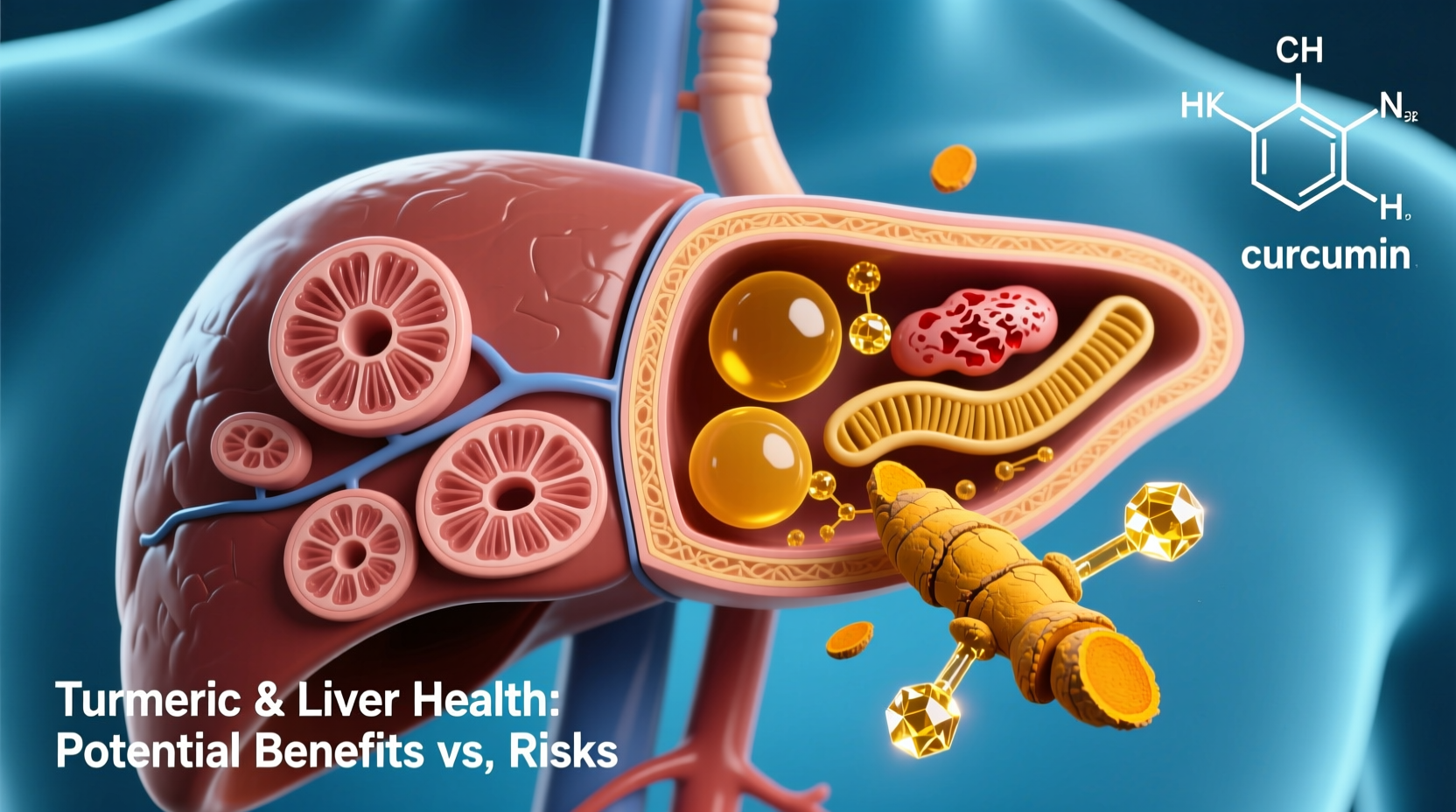
Turmeric (Curcuma longa) is a rhizomatous herbaceous perennial plant belonging to the ginger family, Zingiberaceae. Native to Southeast Asia and India, it has been used for over 4,000 years in Ayurvedic medicine, traditional Chinese practices, and regional cuisines. The part most commonly used is the dried and ground rhizome, which produces a vibrant yellow-orange powder. Its primary bioactive compound, curcumin, accounts for approximately 2–5% of raw turmeric and is responsible for most of its studied physiological effects.
In culinary contexts, turmeric is prized not only for color but also for its earthy, slightly bitter, and mildly peppery flavor. It plays a foundational role in curry powders, mustards, rice dishes, and soups across South Asian, Middle Eastern, and Caribbean cuisines. Beyond the kitchen, modern interest in turmeric centers on its antioxidant, anti-inflammatory, and potential hepatoprotective (liver-protecting) properties. Yet, paradoxically, rare cases of liver injury have been linked to concentrated curcumin supplements, raising legitimate questions about dose-dependent safety.
Key Characteristics
| Property | Description |
|---|---|
| Flavor Profile | Earthy, warm, slightly bitter with a hint of pepper and ginger; mild pungency. |
| Aroma | Woody, musky, faintly citrusy when fresh; more subdued when dried. |
| Color | Bright yellow-orange; highly pigmented and stains easily. |
| Heat Level | Non-spicy; does not contain capsaicin; contributes warmth without heat. |
| Culinary Function | Colorant, flavor base, preservative (due to antimicrobial properties), functional ingredient in spice blends. |
| Shelf Life | Ground turmeric: 1–2 years if stored properly; whole root: up to 3 weeks refrigerated. |
| Solubility | Fat-soluble; best absorbed when cooked with oil or black pepper (piperine enhances bioavailability). |
Practical Usage: How to Use Turmeric Safely in Cooking
In home cooking, turmeric is overwhelmingly safe and beneficial. Daily intake from food typically ranges from 60 to 100 mg of curcumin—far below levels associated with adverse effects. To maximize benefits while minimizing risk, follow these guidelines:
- Use in moderation: ½ to 1 teaspoon per dish is sufficient for flavor and color. Excessive amounts can lead to bitterness and gastrointestinal discomfort.
- Pair with fat and black pepper: Sauté turmeric in oil (such as coconut or ghee) and add freshly ground black pepper to increase curcumin absorption by up to 2,000%.
- Incorporate into balanced dishes: Combine with legumes (e.g., lentil dals), vegetables (cauliflower, potatoes), grains (rice, quinoa), or broths (golden milk, soups).
- Avoid inhaling powdered turmeric: It can irritate nasal passages and lungs; handle carefully during preparation.
Professional chefs often bloom turmeric in hot oil at the start of cooking to unlock its full aroma and integrate it into the dish’s flavor base. This technique, common in Indian tadka or chaunk, ensures even dispersion and reduces any raw, dusty taste. For example, heating turmeric in ghee with cumin seeds and onions before adding tomatoes creates a robust foundation for curries.
Tip: When making “golden milk,” combine ¼ tsp turmeric, a pinch of black pepper, 1 cup milk (dairy or plant-based), and 1 tsp honey or maple syrup. Heat gently—do not boil—to preserve active compounds. Consume once daily as part of a balanced routine.
Variants & Types of Turmeric
Turmeric is available in multiple forms, each suited to different uses. Understanding these variants helps prevent misuse that could inadvertently affect liver health.
1. Ground Turmeric Powder
The most accessible form, made from dried and milled rhizomes. Ideal for everyday cooking. Ensure freshness by checking for bright color and purchasing from reputable sources. Old or poorly stored powder loses potency and may develop off-flavors.
2. Fresh Turmeric Root
Resembles ginger but smaller, with a deeper orange interior. Offers superior aroma and enzymatic activity. Can be grated into smoothies, juices, or stir-fries. Store wrapped in paper towel inside a sealed container in the refrigerator.
3. Turmeric Extracts & Supplements
Concentrated formulations containing 95% curcuminoids, often sold in capsules. Doses range from 500 to 2,000 mg daily. These are where liver-related concerns arise—not from food use, but from prolonged high-dose intake. Some products include piperine (from black pepper) or phospholipids (as in Meriva®) to enhance absorption.
4. Liquid Tinctures & Golden Pastes
Alcohol-based extracts or homemade pastes combining turmeric, oil, and pepper. Useful for controlled dosing but require careful adherence to recommended amounts.
5. Decoctions & Teas
Traditional preparations involving simmering turmeric in water. Often combined with lemon, honey, or cinnamon. Lower in concentration than extracts but still effective for mild support.
| Form | Typical Curcumin Content | Best Use Case | Liver Safety Note |
|---|---|---|---|
| Ground Powder | 2–5% | Daily cooking, spice blends | No known risk at culinary doses |
| Fresh Root | Similar to powder | Raw applications, juicing | Safe; natural matrix buffers absorption |
| Standardized Extract (95%) | ~950 mg per 1,000 mg capsule | Therapeutic goals under supervision | Potential hepatotoxicity at high doses or long-term use |
| Liquid Tincture | Varies (usually 100–300 mg/mL) | Controlled supplementation | Monitor total daily intake |
| Tea/Decoction | Low (≈50–100 mg/cup) | Routine wellness | Very low risk |
Comparison with Similar Ingredients
Turmeric is often confused with other yellow-colored spices or supplements. Clarifying differences prevents substitution errors and promotes informed usage.
- Saffron: More expensive, derived from crocus stigmas; imparts a red-gold hue and floral note. Used in minute quantities. No liver concerns at culinary doses.
- Annatto: Seed-derived colorant (bixin/norbixin); provides yellow-orange tint without turmeric’s flavor or bioactives. Common in cheeses and processed foods. Generally recognized as safe.
- Ginger: Close botanical relative; shares warming qualities but lacks curcumin. Does not stain and has distinct zesty, spicy flavor. Widely used for digestion; no liver toxicity reported.
- Curry Powder: A blend that usually contains turmeric as a primary ingredient (often 20–30%), along with coriander, cumin, fenugreek, and chili. Not interchangeable with pure turmeric due to varied composition.
“Turmeric in food is medicine. But extract it, concentrate it, and take it every day without medical oversight—that’s pharmacology, not cuisine. The dose makes the poison.” — Dr. Elena Rodriguez, Integrative Hepatology Specialist, Cleveland Clinic
Practical Tips & FAQs
Q: Can eating too much turmeric harm your liver?
A: In culinary amounts—no. There are no documented cases of liver damage from normal dietary consumption. However, excessive intake via supplements (typically >1,000 mg curcumin/day for weeks or months) has been linked to idiosyncratic drug-induced liver injury (DILI) in rare instances.
Q: Who should avoid turmeric supplements?
A: Individuals with pre-existing liver conditions, bile duct obstruction, or those taking hepatotoxic medications should consult a physician before using high-dose curcumin. Pregnant women and those scheduled for surgery should also exercise caution due to turmeric’s blood-thinning potential.
Q: Are all turmeric supplements the same?
A: No. Quality varies widely. Look for third-party tested brands (USP, NSF, ConsumerLab), standardized extracts (e.g., 95% curcuminoids), and formulations with enhanced bioavailability (like liposomal or phytosome technologies). Avoid proprietary blends with undisclosed ingredients.
Q: What are signs of turmeric-related liver issues?
A: Symptoms mirror general liver stress: unexplained fatigue, nausea, abdominal pain (especially upper right quadrant), dark urine, jaundice (yellowing of skin or eyes), or elevated liver enzymes on blood tests. Discontinue use immediately if these occur and seek medical evaluation.
Q: How long can I safely take turmeric supplements?
A: Clinical trials suggest short-term use (4–12 weeks) is generally safe. Long-term safety data beyond 6–12 months is limited. Cyclical use (e.g., 8 weeks on, 2–4 weeks off) may reduce cumulative risk.
Q: Is organic turmeric safer?
A: Organic certification reduces exposure to pesticides and heavy metals (like lead, sometimes found in contaminated batches from certain regions), which themselves can burden the liver. Opt for organic, especially for regular or supplemental use.
Actionable Checklist for Safe Turmeric Use:
- Limit culinary use to ≤1 tsp per meal.
- Use fresh or high-quality ground turmeric; check expiration dates.
- Store in a cool, dark place in an airtight container.
- If using supplements, choose reputable brands with transparency.
- Do not exceed 1,500 mg curcumin daily without medical advice.
- Combine with black pepper and healthy fats for better absorption.
- Monitor for adverse symptoms; discontinue if liver discomfort arises.
- Discuss supplementation with your doctor if you have liver disease or take medications.
Case Study: Supplement-Induced Liver Injury Linked to Curcumin
In a 2020 case report published in BMJ Case Reports, a 71-year-old woman developed acute hepatitis after taking a turmeric supplement for joint pain for six weeks. She consumed 1,500 mg of curcumin daily. Lab tests revealed elevated ALT and AST levels (markers of liver cell damage), and all other causes (viral hepatitis, alcohol, autoimmune) were ruled out. Upon discontinuation, her liver enzymes normalized within three months. This illustrates an idiosyncratic reaction—rare, unpredictable, and not dose-proportional, but real.
Such cases are uncommon. A 2022 review in Phytomedicine analyzed 186 reports of herbal product-related liver injury and found only 17 possibly linked to turmeric or curcumin—most involving long-term, high-dose supplements. Importantly, none were tied to dietary use.
Summary & Key Takeaways
Turmeric remains one of the safest and most beneficial spices when used appropriately in food. Its potential to support liver health through antioxidant and anti-inflammatory mechanisms is well-documented. However, the shift from culinary spice to concentrated supplement introduces new considerations. High-dose, long-term curcumin intake—while beneficial for some conditions like arthritis or metabolic syndrome—carries a small but real risk of liver injury in susceptible individuals.
The key distinction lies in form and dose. Eating turmeric in curry, rice, or tea poses no meaningful liver risk. Taking multiple capsules daily for extended periods requires medical awareness. Consumers should treat concentrated curcumin not as a harmless herb but as a biologically active compound with pharmacological effects.
To enjoy turmeric safely:
- Stick to culinary doses in meals.
- Enhance absorption with fat and black pepper.
- Choose high-quality, tested supplements if needed.
- Monitor for adverse symptoms.
- Consult a healthcare provider before starting supplementation, especially with existing liver concerns.
Final Thought: Respect turmeric’s power—not just as a pigment or trend, but as a potent phytochemical. Used wisely, it nourishes body and palate alike. Misused, even benign substances can become burdens. Balance, context, and knowledge are your best tools.









