
Sleep is essential for skin regeneration, but the way you rest—specifically your sleeping position—may be quietly accelerating facial aging. While factors like sun exposure and genetics dominate conversations about wrinkles, dermatologists are increasingly pointing to overlooked habits, including how and where you lay your head at night. The pressure, friction, and repetitive folding of skin against a pillow can create or deepen lines over time, especially in individuals who favor one side or their stomach. This article explores the connection between sleep posture and skin aging, backed by dermatological research, and offers practical strategies to protect your complexion while you rest.
The Science Behind Sleep Lines and Skin Compression
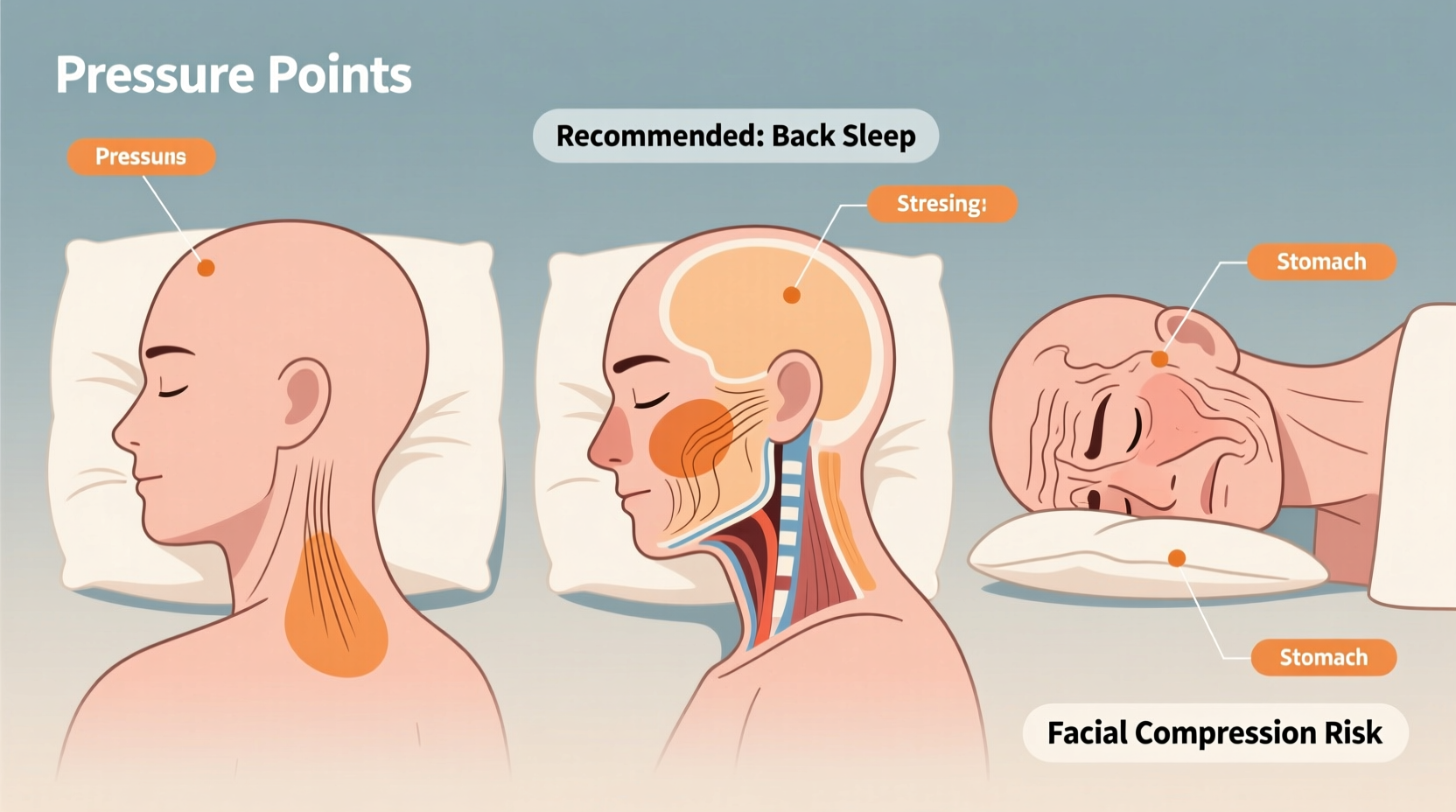
When you lie on your side or stomach, your face presses directly into the pillow. This sustained contact creates mechanical stress on delicate facial skin, particularly around the cheeks, jawline, and forehead. Over months and years, this repeated compression can lead to what dermatologists call “sleep lines” — creases that form due to external pressure rather than natural muscle movement.
Unlike expression lines caused by smiling or frowning, sleep lines appear perpendicular to the direction of collagen fibers in the skin. Because they result from physical distortion rather than muscle contraction, they often follow straight or angular patterns across the cheeks or chin. In younger skin with high elasticity, these lines may rebound overnight. But as we age and lose collagen and elastin, the grooves become more permanent, eventually evolving into static wrinkles visible even without pressure.
“Sleep lines are a form of mechanical aging. They start as temporary imprints but can become etched into the skin with consistent pressure over time.” — Dr. Lena Patel, Board-Certified Dermatologist
How Different Sleeping Positions Impact Skin Health
Not all sleeping positions are equal when it comes to skin preservation. Each posture exerts different forces on the face and body, influencing both wrinkle formation and overall skin quality.
Back Sleeping: The Gold Standard for Skin Longevity
Sleeping on your back eliminates direct facial contact with the pillow, minimizing compression and friction. This position allows gravity to work evenly across the face, reducing the risk of developing sleep-related folds. It also supports better lymphatic drainage, which helps reduce puffiness and under-eye bags.
Additionally, back sleeping reduces the transfer of oils, bacteria, and skincare residue between the face and pillowcase—helping prevent clogged pores and breakouts. For those using anti-aging serums or retinoids, this position ensures active ingredients stay on the skin instead of being absorbed by fabric.
Tip: If you're not a natural back sleeper, try placing a pillow under your knees to improve comfort and spinal alignment.Side Sleeping: High Risk for Cheek and Jaw Wrinkles
Side sleeping is one of the most common positions, especially among adults. However, it places significant pressure on the cheekbone and jaw area. The lower cheek bears the brunt of body weight throughout the night, leading to repeated folding of skin tissue.
Over time, this can cause diagonal lines running from the corner of the nose toward the edge of the mouth or deep creases along the jawline. Individuals who consistently favor one side may notice asymmetrical aging, with deeper wrinkles on the preferred sleeping side.
Stomach Sleeping: The Most Damaging for Facial Skin
This position forces the entire face into the pillow, twisting the neck and stretching facial muscles unnaturally. The forehead, chin, and cheeks all experience prolonged pressure, promoting horizontal forehead lines, chin creases, and nasolabial fold deepening.
Moreover, stomach sleeping disrupts proper spinal alignment, which can indirectly impact circulation and fluid drainage—both critical for healthy, glowing skin. Due to the unnatural neck angle, it may also contribute to neck strain and “tech neck”-like lines over time.
Do’s and Don’ts: Sleep Habits That Affect Skin Aging
| Habit | Do | Don't |
|---|---|---|
| Sleep Position | Sleep on your back whenever possible | Avoid stomach or consistent side sleeping |
| Pillow Material | Use silk or satin pillows to reduce friction | Avoid coarse cotton or polyester blends |
| Pillowcase Care | Wash weekly to remove oil and bacteria | Never go more than 7 days without washing |
| Nighttime Skincare | Apply hydrating, barrier-supporting products | Don’t skip moisturizer before bed |
| Sleep Environment | Maintain humidity to prevent dryness | Avoid overly dry or hot rooms |
Real-Life Example: Addressing Asymmetrical Wrinkling
Claire, a 42-year-old teacher and lifelong side sleeper, began noticing that the laugh lines on her right cheek were significantly deeper than those on the left. After consulting a dermatologist, she learned that her habit of always turning to the right during sleep was contributing to uneven skin stress. Her doctor pointed out faint diagonal lines extending from her nose to her cheek, visible only when she turned onto her side during examination.
Following a six-month plan involving a silk pillowcase, nightly application of a peptide-rich moisturizer, and gradual retraining to back sleeping using a body pillow, Claire reported a noticeable softening of the deeper lines. While complete symmetry wasn’t achieved, the progression of new wrinkles slowed considerably. Her case illustrates how subtle behavioral changes can influence facial aging—even after decades of established habits.
Step-by-Step Guide to Minimize Sleep-Induced Wrinkles
Changing long-standing sleep habits takes time, but small adjustments can yield visible improvements in skin texture and wrinkle depth. Follow this timeline to protect your skin while you sleep:
- Week 1–2: Assess Your Current Routine
Observe your waking position each morning. Take note of which side you favor and check for pillow-induced red marks or temporary creases on your face. Replace your current pillowcase with a smooth silk or satin version. - Week 3–4: Optimize Your Sleep Setup
Add a contoured cervical pillow to support neck alignment if transitioning to back sleeping. Place a body pillow beside you to discourage rolling onto your side. Use a humidifier to maintain optimal bedroom moisture levels (ideal: 40–60% humidity). - Month 2: Refine Nighttime Skincare
Incorporate products that reinforce skin resilience. Look for serums containing hyaluronic acid (for hydration), niacinamide (for barrier repair), and peptides (to support collagen). Apply generously before bed to cushion the skin. - Month 3: Monitor and Adjust
Take monthly photos in consistent lighting to track changes. Pay attention to whether temporary sleep lines fade faster upon waking—a sign of improved skin elasticity. Consider using a sleep-tracking app to monitor position consistency. - Ongoing: Maintain and Prevent Relapse
Continue using silk pillowcases and replace them every 12 months. Reassess your sleep position quarterly, especially if experiencing stress or illness, which often revert old habits.
Additional Factors That Amplify Sleep-Related Skin Damage
Your sleeping position doesn’t act in isolation. Several co-factors can intensify its impact on skin aging:
- Pillowcase Fabric: Cotton absorbs moisture and creates friction, stripping skin of natural oils and increasing drag. Silk and satin glide smoothly, reducing tugging.
- Skincare Absorption: Active ingredients like retinoids and AHAs increase skin sensitivity. Sleeping face-down can irritate treated areas and compromise the skin barrier.
- Hydration Levels: Dehydrated skin is less elastic and more prone to folding. Dry air from heating or AC exacerbates this, making nighttime moisture retention crucial.
- Age and Skin Elasticity: Younger skin rebounds quickly from compression. After age 35, collagen production declines by about 1% per year, making recovery slower and sleep lines more likely to persist.
Frequently Asked Questions
Can changing my sleeping position really reduce wrinkles?
Yes. While you won’t erase existing deep wrinkles overnight, shifting to back sleeping can prevent new ones from forming and slow the progression of early sleep lines. Studies show that reducing mechanical stress on the skin improves its ability to repair itself during sleep cycles.
Are silk pillowcases worth the investment?
Absolutely. Silk has a smoother surface than cotton, reducing friction by up to 40%. It also retains moisture better, helping keep skin hydrated. While high-quality silk cases cost more upfront, they last longer and provide tangible benefits for both skin and hair health.
What if I can’t sleep on my back?
You’re not alone—many people struggle with back sleeping due to snoring, sleep apnea, or discomfort. In such cases, focus on mitigation: use a silk pillowcase, alternate sides nightly to balance pressure, and avoid pressing your face deeply into the pillow. Even slight repositioning can reduce long-term damage.
Conclusion: Protect Your Skin While You Sleep
Your sleeping position is more than a matter of comfort—it’s a silent influencer of how your skin ages. While you can’t control every factor that contributes to wrinkles, adjusting how you rest is a simple, cost-effective strategy within your control. By choosing back sleeping, upgrading to silk pillowcases, and supporting your skin with targeted hydration, you can significantly reduce preventable aging caused by nightly compression.
The best part? These changes don’t require drastic lifestyle shifts. Start tonight: swap your pillowcase, adjust your posture, and apply a nourishing night cream. Small steps compound over time, and your future self will thank you for the effort. Skin health isn’t just about what you put on your face—it’s also about how you treat it while you sleep.
💬 Have you noticed changes in your skin based on how you sleep? Share your experience or questions in the comments—your insight could help others make smarter bedtime choices!








