
A fresh tomato is one of the most widely consumed vegetables—botanically a fruit—in kitchens around the world. Revered for its juicy texture, bright acidity, and vibrant color, it forms the backbone of countless dishes from Mediterranean salads to Indian curries. But for those monitoring their caloric intake or seeking nutrient-dense ingredients, a fundamental question arises: How many calories are actually in a fresh tomato?
The answer is both simple and nuanced. On average, a medium-sized raw tomato (approximately 123 grams) contains about 22–25 calories. This low-calorie profile makes tomatoes an ideal component of weight-conscious diets, yet their value extends far beyond mere numbers. Understanding the full nutritional context—what contributes to those calories, how preparation affects energy density, and how tomatoes function in balanced eating—is essential for informed culinary and dietary decisions.
Definition & Overview
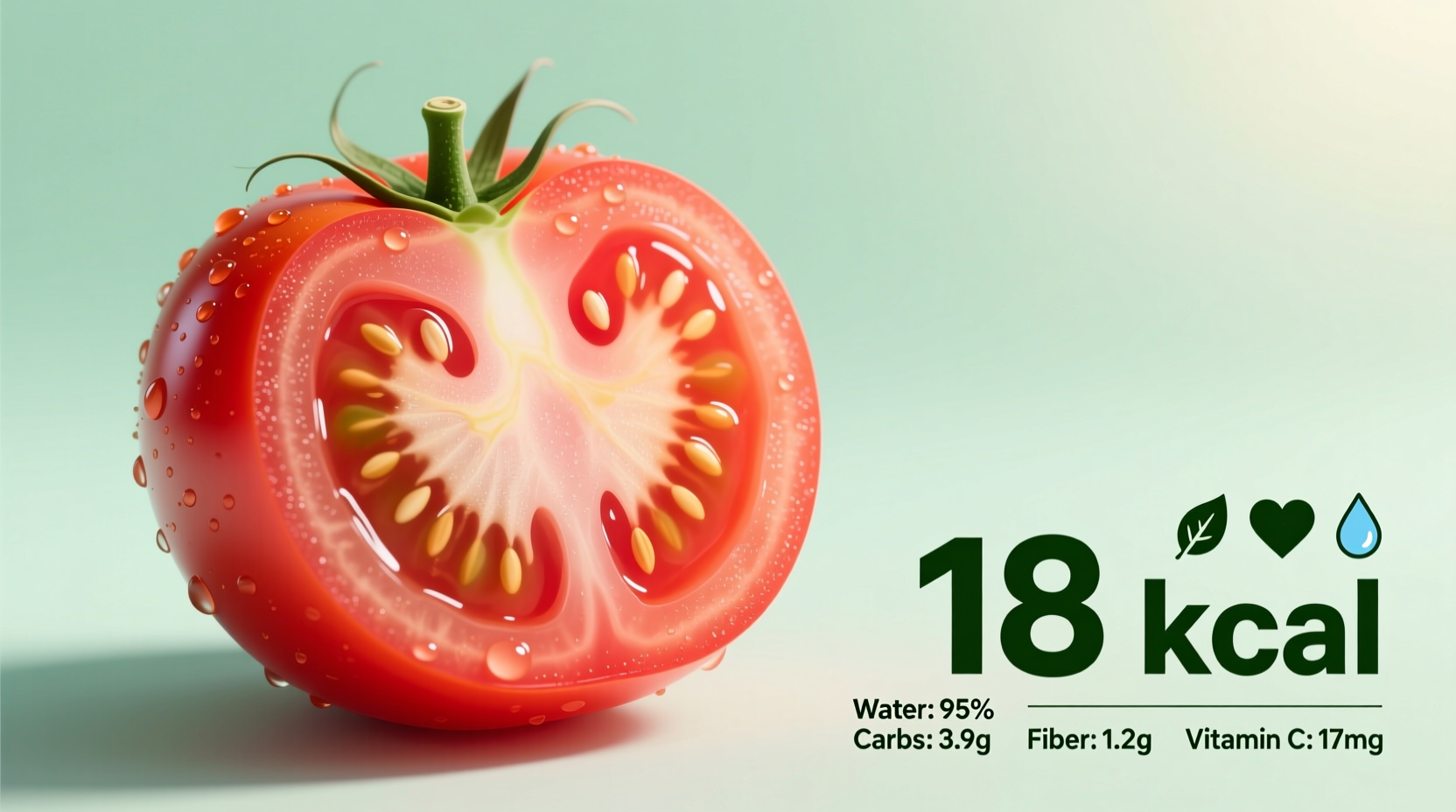
The tomato (Solanum lycopersicum) is a flowering plant native to western South America, particularly regions of modern-day Peru, Ecuador, and northern Chile. Though first cultivated by the Aztecs and other Mesoamerican peoples, it gained global prominence only after European colonization and subsequent agricultural diffusion. Initially met with suspicion in parts of Europe due to its relation to the nightshade family, the tomato eventually became a cornerstone of cuisines worldwide, especially in Italian, Spanish, Middle Eastern, and Southeast Asian cooking.
Botanically classified as a berry, the tomato develops from the ovary of a flower and contains seeds surrounded by pulp. In culinary terms, however, it is treated as a vegetable due to its savory flavor profile and typical use in cooked or raw preparations that accompany meals rather than serve as desserts.
Fresh tomatoes vary widely in size, shape, color, and sweetness. Common types include globe (beefsteak), Roma (plum), cherry, grape, and heirloom varieties. Regardless of type, all share a high water content, mild natural sugars, and a balance of acids—primarily citric and malic—that contribute to their refreshing taste.
Key Characteristics
The appeal of fresh tomatoes lies not just in flavor but in their functional versatility and nutritional efficiency. Below are the defining characteristics of a typical raw, medium-sized tomato:
| Characteristic | Description |
|---|---|
| Flavor Profile | Bright, slightly sweet, tangy, with umami undertones when ripe. Acidity increases with ripeness up to a point, then mellows. |
| Aroma | Grassy, green, floral notes from volatile compounds like cis-3-hexenal (“tomato leaf” scent); deeper fruity aromas in sun-ripened specimens. |
| Color/Form | Red (most common), yellow, orange, green (when unripe or specific cultivars), purple-black (heirlooms). Shape varies from round to oblong to clustered (cherry). |
| Heat Level | None. Tomatoes are non-pungent and do not contain capsaicin or other heat-inducing compounds. |
| Culinary Function | Base ingredient in sauces, salsas, soups; adds moisture and acidity to stews; enhances freshness in salads and garnishes; thickener when reduced. |
| Shelf Life (raw, whole) | 5–7 days at room temperature; up to 10–14 days if refrigerated (though flavor diminishes below 50°F/10°C). |
| Water Content | Approximately 95%. This explains the low caloric density and hydrating properties. |
Practical Usage: How to Use Fresh Tomatoes in Cooking
The minimal caloric load of fresh tomatoes allows them to be used generously without significantly increasing the energy content of a dish. Their real power lies in their ability to enhance flavor while contributing volume, moisture, and nutrients—a principle known in nutrition science as \"energy dilution.\" This makes tomatoes particularly valuable in meal planning for satiety and long-term dietary adherence.
In home cooking, fresh tomatoes can be incorporated in multiple ways depending on ripeness and variety:
- Raw Applications: Sliced beefsteak tomatoes on sandwiches, diced in pico de gallo, halved in Caprese salad with mozzarella and basil, or blended into gazpacho.
- Cooked Preparations: Simmered into marinara sauce, roasted to concentrate flavor, stewed in shakshuka, or puréed for soups like tomato bisque.
- Texture Modification: Seeded and strained for smoother sauces; grilled for smoky depth; sun-dried (which drastically increases calorie density per gram due to water loss).
When building meals around calorie awareness, consider this strategy: substitute higher-calorie ingredients with tomato-based alternatives. For example, replacing half the ground meat in a Bolognese with finely chopped mushrooms and extra tomatoes reduces fat and total calories while maintaining mouthfeel and richness.
Pro Tip: To maximize flavor and minimize added fats, sauté onions and garlic first, then add chopped tomatoes and allow them to break down slowly over medium-low heat. The natural pectins and acids will create a rich base without needing cream or oil-heavy thickeners.
Variants & Types: Caloric Differences Across Tomato Forms
While all fresh tomatoes are inherently low in calories, different forms—especially processed ones—can vary dramatically in energy content. It’s crucial to distinguish between raw, whole tomatoes and derived products.
| Type of Tomato Product | Portion Size | Approximate Calories | Notes |
|---|---|---|---|
| Raw, medium tomato (globe) | 123 g | 22 kcal | Negligible fat, ~5g carbohydrates, 1g protein, 1.5g fiber |
| Cherry tomatoes | 100 g (~10–12 pieces) | 18 kcal | Slightly sweeter, often eaten raw; excellent snack option |
| Roma (plum) tomato | 63 g | 11 kcal | Denser flesh, less juice; ideal for sauces and roasting |
| Canned whole tomato (no salt added) | 100 g | 20 kcal | Similar to fresh; preserved at peak ripeness; convenient off-season |
| Sun-dried tomatoes (oil-packed) | 100 g | 250–300 kcal | High in calories due to dehydration and oil absorption; use sparingly |
| Sun-dried tomatoes (dry-packed) | 100 g | 240 kcal | No added oil, but still energy-dense; rehydrate before use |
| Tomato paste | 1 tbsp (16 g) | 15 kcal | Concentrated flavor; 1 tbsp adds depth to soups, stews, gravies |
| Ketchup (sweetened) | 1 tbsp (17 g) | 15–20 kcal | Often contains added sugar; check labels for clean ingredients |
The key takeaway is that processing alters caloric density. Dehydration removes water, concentrating sugars and thus calories per gram. Adding oil or sugar during preservation further increases energy content. For calorie-conscious eaters, sticking to fresh, raw, or canned tomatoes without additives ensures maximum benefit with minimal intake.
Comparison with Similar Ingredients
Tomatoes are sometimes confused with other red, juicy produce items—particularly bell peppers and red capsicums—but they differ significantly in composition and usage.
| Ingredient | Calories per 100g | Carbohydrates | Primary Flavor Role | Best Used In |
|---|---|---|---|---|
| Fresh Tomato | 18 kcal | 3.9 g | Acidic, juicy, umami-rich base | Sauces, salads, soups, salsas |
| Green Bell Pepper | 20 kcal | 4.6 g | Grassy, crisp, mildly bitter | Stir-fries, fajitas, stuffed dishes |
| Red Bell Pepper | 31 kcal | 6.3 g | Sweeter, fuller body, less acidic | Ratatouille, roasted veg, dips |
| Cucumber | 15 kcal | 3.6 g | Neutral, hydrating, crunchy | Ceviche, tzatziki, cold salads |
| Beetroot (raw) | 43 kcal | 9.6 g | Earthy, sweet, dense | Pickling, roasting, juices |
While these vegetables may appear similar in color or culinary context, their roles diverge. Tomatoes provide acidity and liquid structure, whereas bell peppers add sweetness and crunch. Cucumbers offer hydration without much flavor impact, and beets bring earthy intensity. Substituting one for another changes both texture and chemical balance in a dish—especially in fermented or preserved foods where pH matters.
Practical Tips & FAQs
Are tomatoes good for weight loss?
Yes. With fewer than 20 calories per 100 grams and high water and fiber content, tomatoes promote fullness without excess energy intake. Including them in meals helps reduce overall calorie density—a proven strategy in sustainable weight management.
Do cooked tomatoes have more calories than raw?
No, cooking does not increase the number of calories in a nutritional sense. However, reducing tomatoes into a sauce concentrates flavors and decreases volume, so a smaller amount delivers more taste. Be cautious with added fats (e.g., olive oil, butter) during cooking, which do raise total calories.
Is there sugar in tomatoes?
Yes, but naturally occurring. A medium tomato contains about 3–4 grams of carbohydrates, roughly half of which is glucose and fructose. This is minimal compared to fruits like bananas or grapes and poses no concern for most people, including those managing blood sugar.
Can diabetics eat tomatoes?
Absolutely. Tomatoes have a low glycemic index (estimated at 15–20) and do not cause significant blood glucose spikes. They are encouraged in diabetic meal plans for their lycopene and antioxidant content.
What is lycopene, and why does it matter?
Lycopene is a powerful carotenoid antioxidant responsible for the red pigment in tomatoes. Research links it to reduced risk of prostate cancer, cardiovascular disease, and age-related macular degeneration. Notably, lycopene becomes more bioavailable when tomatoes are cooked and consumed with a small amount of fat (e.g., olive oil).
\"Tomatoes are one of the few foods where processing improves nutrient availability. Cooking breaks down cell walls, releasing lycopene, which our bodies absorb much better in the presence of fat.\"
— Dr. Elena Rodriguez, Nutritional Biochemist, University of California, Davis
How should I store fresh tomatoes?
Store ripe tomatoes stem-side down at room temperature, away from direct sunlight. Avoid refrigeration unless they are overripe, as cold temperatures degrade flavor compounds and cause mealy texture. If cut, wrap tightly and refrigerate for up to two days.
Are organic tomatoes worth the extra cost?
It depends. According to the Environmental Working Group's \"Dirty Dozen\" list, conventionally grown tomatoes often carry pesticide residues, though typically below safety thresholds. Organic options may offer peace of mind and support sustainable farming practices, but both types deliver comparable nutrition.
How many tomatoes should I eat per day?
There’s no strict limit. One to two medium tomatoes daily fits comfortably within a balanced diet. Excessive consumption (e.g., several pounds daily) could theoretically lead to solanine sensitivity in rare cases, but this is extremely uncommon with normal intake.
Actionable Checklist: Maximizing Tomato Benefits
- Choose deeply colored, heavy-for-size tomatoes—they’re riper and richer in antioxidants.
- Combine cooked tomatoes with healthy fats (avocado, nuts, olive oil) to boost lycopene absorption.
- Use tomato paste (1–2 tsp) to deepen flavor in soups and braises without adding bulk.
- Freeze excess tomatoes whole—they’ll soften upon thawing but work perfectly in cooked dishes.
- Grow your own if possible; vine-ripened tomatoes have superior flavor and nutrient retention.
Summary & Key Takeaways
The calorie count in a fresh tomato is remarkably low—just 22–25 calories for a medium specimen—making it an excellent choice for health-focused diets. But its importance goes well beyond energy content. As a source of vitamin C, potassium, folate, and the potent antioxidant lycopene, the tomato offers substantial nutritional rewards with negligible caloric cost.
Understanding how form and preparation affect calorie density is critical. While raw and canned tomatoes remain low-energy staples, sun-dried and oil-packed versions require mindful portioning. Similarly, commercial products like ketchup often include added sugars that negate some health benefits.
Culinarily, tomatoes excel as flavor amplifiers and volume enhancers. They allow cooks to build satisfying, flavorful meals without relying on high-fat or high-sugar ingredients. Whether sliced raw into a salad, simmered into a sauce, or roasted alongside vegetables, the fresh tomato remains unmatched in its balance of taste, nutrition, and versatility.
Next time you reach for a tomato, remember: you're not just adding flavor—you're investing in a nutrient-rich, low-calorie ingredient that supports long-term health and culinary creativity.









