
Head injuries are a common concern for people of all ages. Whether it's a child falling off a bike or an adult bumping their head on a low ceiling, a bump on the head can be alarming. While most are harmless and resolve on their own, some may signal a more serious underlying issue. Understanding the causes, symptoms that warrant concern, and proper care steps can help you make informed decisions and reduce unnecessary anxiety.
Common Causes of Bumps on the Head
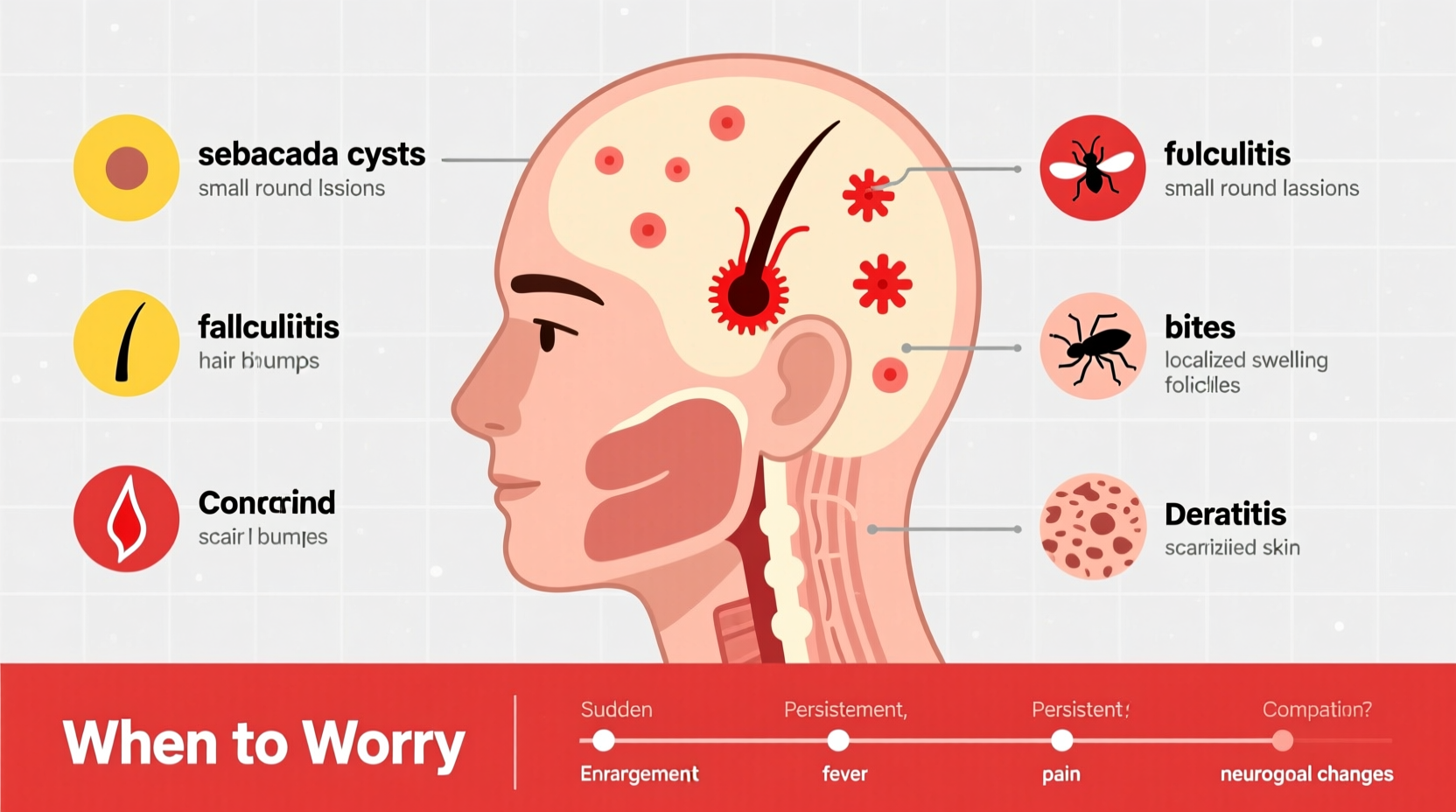
Bumps on the head typically result from trauma to the scalp or skull. The scalp is rich in blood vessels, so even minor impacts can cause swelling or bruising. Because the skin and tissue on the head are relatively thin, injuries often become visible quickly.
- Falls: Especially common in young children learning to walk and older adults with balance issues.
- Blunt force trauma: Being hit by a ball, door, or other object during sports or daily activities.
- Accidental collisions: Walking into furniture, walls, or car doors.
- Sports injuries: Contact sports like football, soccer, or martial arts increase risk.
- Car accidents: Sudden impact can cause head trauma even without direct contact.
A localized bump—often called a \"goose egg\"—forms due to fluid accumulation under the skin (edema) or minor bleeding (hematoma). These usually appear within minutes and can grow surprisingly large, especially in children whose skulls are still developing.
Tip: Apply a cold compress wrapped in cloth for 15–20 minutes immediately after injury to minimize swelling.When to Worry: Red Flags After a Head Injury
While most bumps heal without complications, certain symptoms indicate a need for prompt medical evaluation. The brain is enclosed within the skull, and any internal swelling or bleeding can lead to dangerous pressure buildup.
“Not every bump needs emergency care, but knowing the warning signs can be life-saving.” — Dr. Lena Patel, Neurologist at Boston General Hospital
Seek immediate medical attention if any of the following occur after a head injury:
- Loss of consciousness, even briefly
- Confusion, disorientation, or memory problems
- Repeated vomiting
- Severe or worsening headache
- Unequal pupil size or blurred vision
- Slurred speech or difficulty waking up
- Weakness, numbness, or coordination issues
- Clear fluid or blood draining from nose or ears
- Seizures
In infants and toddlers, additional red flags include excessive crying, refusal to eat, bulging soft spot (fontanelle), and unusual drowsiness.
What Happens Inside the Skull?
A bump on the head may seem superficial, but internal damage isn't always visible. The skull protects the brain, but sudden movement or impact can cause the brain to shift inside the cranium, potentially leading to concussions or more severe traumatic brain injuries (TBI).
Types of internal injuries include:
- Concussion: A mild TBI caused by brain movement disrupting normal function. Symptoms may not appear immediately.
- Skull fracture: A break in the cranial bone, which may or may not be visible externally.
- Intracranial hemorrhage: Bleeding inside the skull, such as epidural or subdural hematomas, which require urgent treatment.
Doctors may use imaging tests like CT scans or MRIs to assess internal damage when symptoms suggest a serious injury. However, these are not routinely ordered for minor bumps with no concerning signs.
Home Care and Recovery Timeline
For minor head bumps without red flags, home care is usually sufficient. The body naturally reabsorbs the fluid and blood over time, and the bump will shrink gradually.
Step-by-Step Home Care Guide
- Immediately after injury: Apply a cold pack (wrapped in cloth) for 15–20 minutes every hour for the first few hours.
- Elevate the head: Keep the person sitting or lying with head elevated to reduce swelling.
- Pain relief: Use acetaminophen (Tylenol) for discomfort. Avoid ibuprofen or aspirin initially, as they may increase bleeding risk.
- Monitor closely: Watch for delayed symptoms over the next 24–72 hours.
- Rest: Encourage light activity and avoid strenuous exercise for at least 24 hours.
- Hydrate and eat lightly: Maintain nutrition, but avoid heavy meals if nausea is present.
Most minor bumps begin improving within 2–3 days. Swelling may peak around 24 hours post-injury and then slowly subside. Full recovery typically takes 7–10 days.
| Symptom | Normal (Minor Injury) | Action Required (Serious) |
|---|---|---|
| Swelling | Localized bump, reduces in 2–3 days | Rapidly growing or asymmetric swelling |
| Headache | Mild, improves with rest | Severe, worsening, or persistent beyond 24 hrs |
| Nausea | Occasional, brief | Repeated vomiting |
| Behavior | Normal alertness and responsiveness | Confusion, drowsiness, or irritability |
Real-Life Scenario: A Parent’s Experience
Six-year-old Maya was playing at the park when she slipped off the monkey bars and landed on her forehead. Her mother rushed over to find a large bump forming, but Maya was crying and responsive. They applied ice and monitored her closely.
Over the next two hours, Maya became unusually quiet and vomited once. Concerned, her parents took her to the emergency room. A CT scan revealed a small concussion with no bleeding. She was advised to rest, avoid screens, and return if symptoms worsened. Within three days, Maya was back to normal.
This case highlights the importance of ongoing observation—even when initial responses seem reassuring.
Prevention Tips and Safety Measures
While not all head bumps can be avoided, many are preventable with simple precautions:
Tip: Helmets reduce the risk of serious head injury by up to 85% in cycling and similar activities.- Use age-appropriate helmets for biking, skating, skateboarding, and contact sports.
- Install safety gates at stairs for toddlers.
- Secure rugs and remove tripping hazards at home.
- Ensure playground surfaces are padded (rubber or wood chips).
- Use car seats and seat belts correctly at all ages.
FAQ: Common Questions About Head Bumps
Should I let someone sleep after hitting their head?
Yes, sleep is fine—but wake them every 2–3 hours during the first night to check for responsiveness, confusion, or difficulty waking. If they answer clearly and seem normal, it’s safe to continue monitoring.
Can a bump on the head cause long-term damage?
Most minor bumps do not. However, repeated concussions—especially in athletes—can lead to chronic cognitive or emotional issues. Always take head injuries seriously and allow full recovery before resuming high-risk activities.
Why do kids get bigger bumps than adults?
Children have thinner skulls and looser connective tissue under the scalp, making swelling more pronounced. This doesn’t mean the injury is worse—it just looks more dramatic.
Final Checklist: What to Do After a Head Bump
- Apply cold compress immediately.
- Check for loss of consciousness or confusion.
- Monitor for red flag symptoms over the next 72 hours.
- Use acetaminophen for pain, not NSAIDs initially.
- Seek medical help if warning signs develop.
- Allow physical and mental rest during recovery.
- Prevent future injuries with protective gear and home safety.
Conclusion: Stay Calm, Stay Informed
A bump on the head is a common occurrence, and in most cases, it’s nothing to fear. With the right knowledge, you can respond calmly and effectively. Recognizing the difference between a minor swelling and a sign of something more serious empowers you to act swiftly when needed. Prioritize prevention, practice vigilant observation, and don’t hesitate to seek professional care when in doubt. Your health—and that of your loved ones—is worth the extra caution.
💬 Have a story or tip about managing head injuries at home? Share your experience in the comments to help others stay informed and prepared.








