
When someone you care about suffers a broken arm, the physical injury is only part of the story. The real challenge often lies in the daily disruptions—struggling to dress, cook, or even type on a phone. A well-chosen gift can do more than just brighten their day; it can restore a sense of independence and comfort during a frustrating time. Thoughtful support goes beyond sympathy cards and flowers. It’s about understanding the practical hurdles they face and offering solutions that genuinely help.
Whether the injury resulted from a sports accident, a fall, or surgery, recovery typically lasts between six to eight weeks. During this period, small gestures can have a big impact. The best gifts are not only useful but also communicate empathy and presence. This guide explores meaningful, functional, and emotionally supportive gift ideas to help your friend heal with dignity and less stress.
Understanding the Real Needs During Recovery
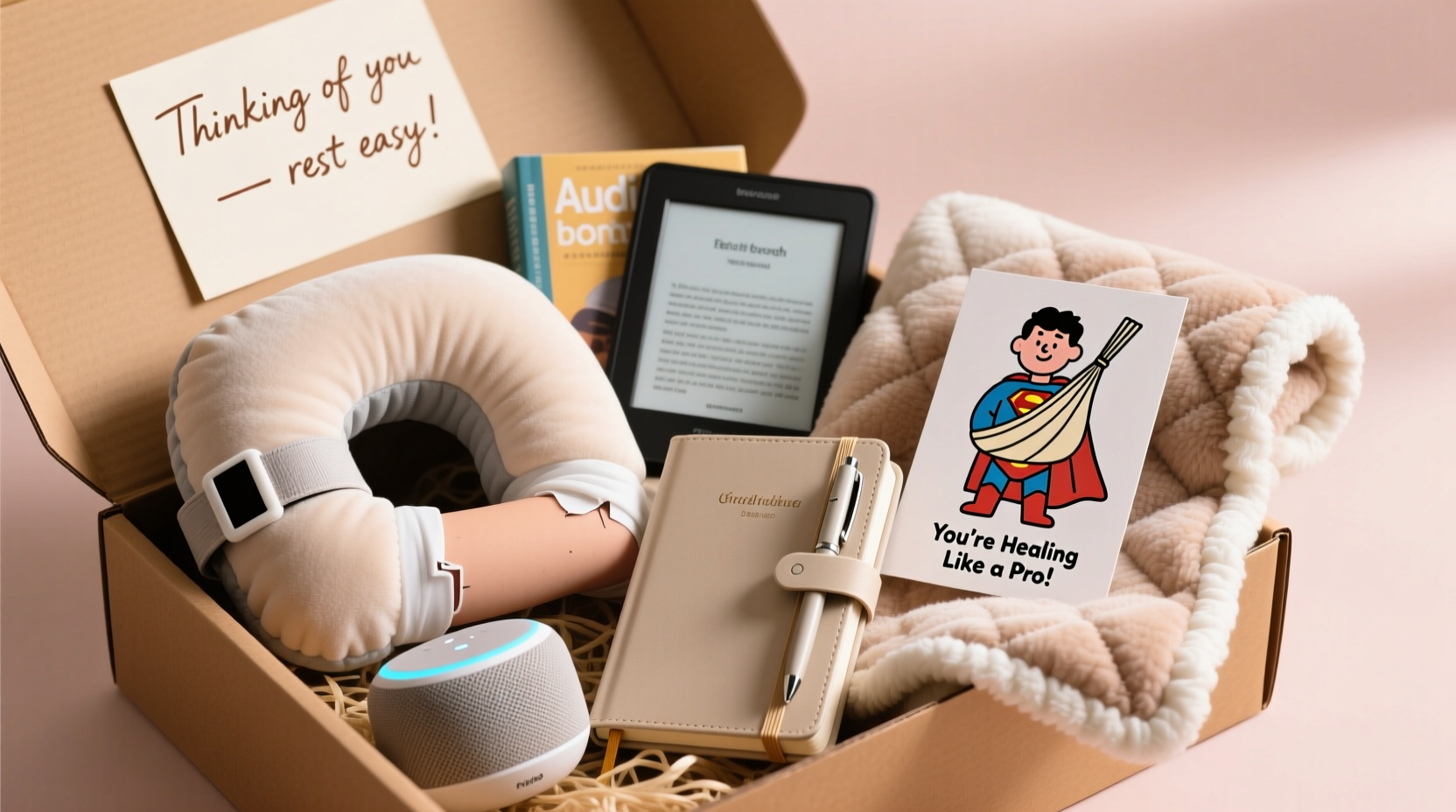
A broken arm affects far more than mobility. Simple tasks like brushing teeth, opening jars, or carrying groceries become daunting. Emotional strain often follows physical limitation—frustration, boredom, and isolation are common. Recognizing these layered challenges is the first step toward choosing a gift that truly helps.
Consider the stage of recovery. In the first week, immobilization is strict, and pain management may be a priority. By week three or four, light movement might begin, but one-handed functionality remains limited. Gifts should evolve with these phases: immediate relief items early on, followed by tools for gradual re-engagement.
Tip: Call or text before visiting—even a quick check-in shows you care without overwhelming them.Practical Gift Ideas That Make Daily Life Easier
The most appreciated gifts solve real problems. Focus on items that increase autonomy and reduce dependency on others. These aren’t luxuries—they’re lifelines during recovery.
- One-handed kitchen tools: Jar openers, adaptive cutting boards, and non-slip grips help maintain independence in meal prep.
- Button hooks and zipper pulls: Dressing becomes a chore when one arm is out of commission. These simple devices restore dignity.
- Adaptive clothing: Look for magnetic closures, Velcro shirts, or oversized pullovers that don’t require arm threading.
- Phone and tablet stands: Holding devices strains the neck and good arm. A sturdy stand enables hands-free browsing, video calls, or entertainment.
- Long-handled reacher/grabber tool: Ideal for picking up dropped items, grabbing clothes from drawers, or reaching high shelves.
For those with children or pets, consider gifts that ease caregiving duties—like pre-prepared meals or a portable changing mat that doesn’t require lifting.
Emotional Support Through Thoughtful Gestures
Physical healing takes time, but emotional well-being accelerates recovery. Studies show that social support reduces perceived pain and improves outcomes. Your presence—whether in person or through consistent communication—matters deeply.
“Patients with strong emotional support report faster recovery times and higher morale.” — Dr. Lena Patel, Rehabilitation Psychologist
Gifts that foster connection or provide mental escape are invaluable. Consider:
- Curated audiobook or podcast subscription: Long recovery periods mean lots of downtime. Choose genres they love or something uplifting.
- Journal with prompts: A guided journal encourages reflection and emotional processing, especially helpful if frustration builds.
- Personalized playlist: Music has therapeutic effects. Create a “Healing Vibes” list with calming or energizing tracks.
- Handwritten letters from mutual friends: Compile notes of encouragement into a small binder—something tangible to revisit on tough days.
Checklist: What to Include in a “Recovery Care Package”
Assemble a comprehensive kit tailored to your friend’s lifestyle. Here’s a checklist to ensure balance between utility and comfort:
- Adaptive dressing tools (button hook, sock aid)
- Non-slip cutting board and one-handed peeler
- Foldable grabber tool
- Adjustable tablet stand
- Soft, easy-wear clothing (e.g., oversized hoodie or slip-on shirt)
- Audiobook or e-gift card for Audible/Spotify
- Comfort items: cozy blanket, eye mask, herbal tea sampler
- Notepad and voice-to-text app recommendation for note-taking
- Encouraging letter from you
Gifts to Avoid: Common Pitfalls
Even with good intentions, some gifts create more hassle than help. Knowing what *not* to give is as important as knowing what to choose.
| Do’s | Don’ts |
|---|---|
| Gifts that require two hands to use properly | A heavy hardcover book they can’t hold |
| Items that encourage gentle movement (within doctor’s limits) | Exercise equipment implying they should “push through” pain |
| Digital gift cards for food delivery apps | Perishable food that requires preparation or refrigeration without checking dietary needs |
| Entertainment that doesn’t strain the body | Video games requiring complex hand coordination |
Real-Life Example: Supporting a Friend After a Ski Accident
Sophie, a graphic designer, broke her right arm while skiing. For weeks, she couldn’t use her mouse or keyboard effectively, making work nearly impossible. Her close friend Mia stepped in with targeted support.
Rather than sending generic flowers, Mia delivered a care package: a vertical ergonomic mouse for left-handed use, a speech-to-text software guide, a button hook, and a curated playlist titled “Creative Comeback.” She also arranged weekly drop-offs of pre-cut fruit and sandwiches from Sophie’s favorite café.
Sophie later shared that the combination of practical tools and emotional consistency made her feel “seen, not just pitied.” The speech-to-text app alone saved her freelance deadlines. This case illustrates how personalized, research-backed gifts deliver long-term value.
Step-by-Step Guide to Choosing the Right Gift
Follow this timeline to ensure your gift is timely, relevant, and impactful:
- Week 1 – Assess Needs: Contact the person or their family discreetly. Ask about daily struggles and medical restrictions.
- Week 2 – Select Practical Tools: Prioritize adaptive devices and convenience items. Shop for easy-to-use products.
- Week 3 – Add Emotional Layers: Introduce comfort gifts—audiobooks, journals, playlists—that address mental fatigue.
- Week 4–6 – Sustain Support: Send rotating surprises—a new podcast recommendation, a funny meme printout, or a digital movie rental.
- Post-Cast Removal: Celebrate recovery with a symbolic gift: a bracelet, a framed photo from better times, or an experience voucher (massage, dinner out).
FAQ
Can I send food as a gift?
Yes, but choose wisely. Opt for ready-to-eat meals, individually packaged snacks, or delivery service gift cards. Avoid anything messy or requiring assembly. Always confirm dietary restrictions first.
Is it okay to give a gift card?
Absolutely—especially for platforms like Uber Eats, Amazon, or Audible. Digital flexibility lets them choose what they need most in the moment. Pair it with a handwritten note for added warmth.
What if they live far away?
Distance doesn’t diminish your ability to help. Schedule regular video calls, mail a curated care package, or arrange for local services (like grocery delivery) to be sent directly to them.
Conclusion
Supporting a friend with a broken arm isn’t about grand gestures—it’s about showing up in practical, consistent ways. The right gift bridges the gap between dependence and dignity, reminding them they’re not alone in the process. Whether it’s a simple button hook or a playlist of nostalgic songs, your thoughtfulness communicates care louder than words ever could.
💬 How have you supported a loved one during recovery? Share your experiences or favorite gift ideas in the comments—your insight could inspire someone else to make a meaningful difference today.








