
Blood in urine, medically known as hematuria, can be alarming when noticed. While it’s not always a sign of a severe condition, it should never be ignored. Hematuria may appear as pink, red, or brownish urine due to the presence of red blood cells. It can result from a range of causes — some benign and temporary, others requiring prompt medical attention. Understanding the possible origins, associated symptoms, and warning signs can help individuals respond appropriately and protect their long-term health.
What Is Hematuria?
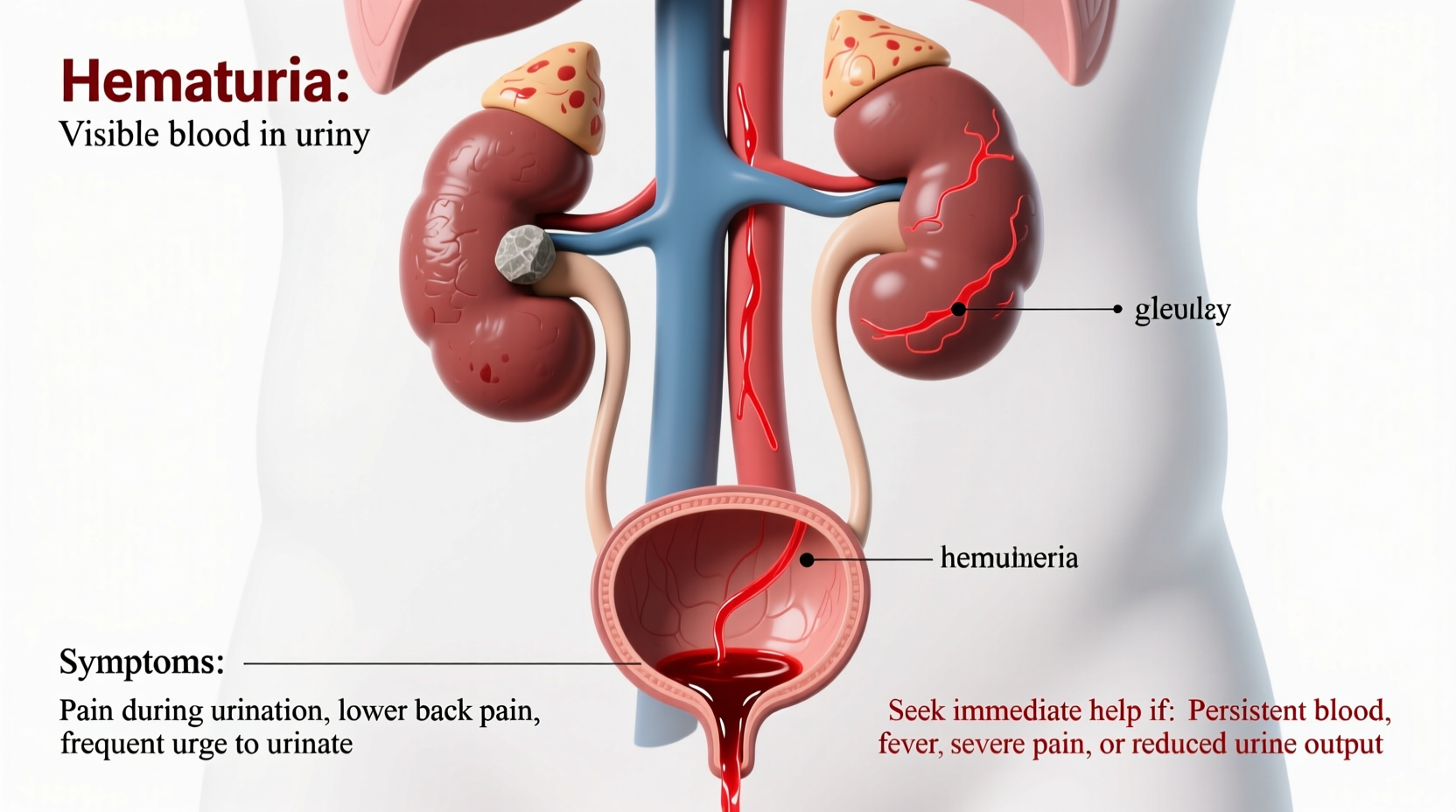
Hematuria is classified into two types: microscopic and gross (or macroscopic). Microscopic hematuria means that red blood cells are present in the urine but cannot be seen with the naked eye — they’re only detectable under a microscope during a urinalysis. Gross hematuria, on the other hand, visibly changes the color of the urine and is often the first clue something might be wrong.
Regardless of the type, hematuria is a symptom, not a diagnosis. It indicates an underlying issue within the urinary tract, which includes the kidneys, ureters, bladder, prostate (in men), and urethra.
Tip: Even if blood in urine disappears on its own, consult a healthcare provider to rule out serious conditions.Common Causes of Blood in Urine
The urinary system is complex, and disruptions at any point can lead to hematuria. Some of the most frequent causes include:
- Urinary Tract Infections (UTIs): Bacteria entering the urethra and multiplying in the bladder can cause inflammation and bleeding. Women are more prone to UTIs than men.
- Kidney Stones: Sharp crystals forming in the kidneys can irritate or tear the lining of the urinary tract as they pass, leading to visible blood.
- Enlarged Prostate (Benign Prostatic Hyperplasia): Common in older men, an enlarged prostate can compress the urethra and cause bladder irritation and bleeding.
- Kidney Disease: Glomerulonephritis, an inflammation of the kidney's filtering units, often results in microscopic hematuria.
- Bladder or Kidney Infections (Pyelonephritis): Infections spreading to the kidneys can cause fever, flank pain, and bloody urine.
- Strenuous Exercise: Rarely, intense physical activity like long-distance running can cause \"runner’s hematuria,\" usually temporary and harmless.
- Medications: Certain drugs, including blood thinners (e.g., warfarin), aspirin, and some antibiotics, can increase the risk of bleeding.
“Any episode of visible blood in the urine warrants evaluation. Even one-time occurrences can signal early-stage cancers or chronic kidney issues.” — Dr. Alan Reyes, Nephrologist, Mayo Clinic
Symptoms That Accompany Hematuria
The presence of blood alone may not indicate severity, but accompanying symptoms provide crucial context. Key signs to watch for include:
| Symptom | Possible Cause |
|---|---|
| Painful urination | UTI, sexually transmitted infection |
| Lower abdominal or back pain | Kidney stones, bladder infection |
| Frequent or urgent need to urinate | UTI, bladder tumor |
| Fever and chills | Kidney infection |
| Difficulty starting urine flow | Prostate enlargement |
| Unintended weight loss or fatigue | Potential malignancy |
Not all cases come with obvious discomfort. Painless hematuria, especially in smokers or those over 50, raises concern for bladder or kidney cancer and must be investigated promptly.
When to Seek Medical Help
While occasional, mild hematuria may resolve without intervention, certain situations demand immediate attention. Delaying care can allow treatable conditions to progress into more serious complications.
Red Flags Requiring Urgent Evaluation
- Visible blood in urine lasting more than a day
- Blood clots in urine
- Pain in the side, back, or pelvis
- Fever, nausea, or vomiting alongside discolored urine
- Inability to urinate or significantly reduced output
- A history of smoking, chemical exposure, or family cancer history
Even asymptomatic microscopic hematuria found during routine screening should be followed up, particularly in high-risk individuals such as those over age 40, smokers, or people exposed to industrial chemicals like benzene or dyes.
Diagnostic Process
A physician will typically begin with a detailed medical history and physical exam. Diagnostic steps may include:
- Urinalysis and urine culture: To confirm blood and check for infection.
- Blood tests: Assess kidney function and look for systemic disease.
- Imaging: Ultrasound, CT scan, or MRI to visualize the kidneys, bladder, and ureters.
- Cystoscopy: A thin scope inserted into the bladder to examine for tumors or abnormalities.
Mini Case Study: Recognizing Early Bladder Cancer
James, a 58-year-old former construction worker and long-time smoker, noticed his urine had turned slightly pink after a weekend of gardening. He assumed it was due to dehydration or exertion and didn’t think much of it. Over the next three weeks, the discoloration came and went, but he experienced no pain or urgency. Eventually, his primary care doctor ordered a urinalysis, which confirmed gross hematuria. A subsequent cystoscopy revealed a small tumor in the bladder. Biopsy confirmed non-invasive bladder cancer, caught early due to persistence in testing despite lack of pain. James underwent minimally invasive surgery and remains cancer-free with regular monitoring.
This case illustrates that painless hematuria, even if intermittent, can be the earliest and only sign of bladder cancer — particularly in high-risk populations.
Prevention and Monitoring Tips
While not all causes of hematuria are preventable, certain lifestyle choices reduce risk:
Tip: Stay well-hydrated throughout the day to dilute urine and flush out potential irritants or stone-forming minerals.- Drink plenty of water — aim for at least 6–8 glasses daily.
- Avoid excessive use of NSAIDs like ibuprofen, which can affect kidney function.
- Quit smoking — a major risk factor for bladder and kidney cancers.
- Treat UTIs promptly and completely to prevent kidney involvement.
- Limits intake of salt, oxalate-rich foods (like spinach and nuts), and animal proteins if prone to kidney stones.
Frequently Asked Questions
Can dehydration cause blood in urine?
Dehydration itself doesn’t directly cause hematuria, but concentrated urine can irritate the bladder lining and make existing bleeding more noticeable. Chronic dehydration also increases the risk of kidney stones, which are a common cause of bloody urine.
Is blood in urine always a sign of cancer?
No. Most cases of hematuria are due to non-cancerous conditions like UTIs, stones, or benign prostate enlargement. However, because bladder and kidney cancers often present with painless hematuria, every case must be evaluated to rule out malignancy.
Should I go to the ER if I see blood in my urine?
If you experience heavy bleeding, clots, severe pain, or inability to urinate, seek emergency care. For isolated, mild episodes without other symptoms, schedule an appointment with your doctor within a few days.
Action Checklist: What to Do If You Notice Blood in Urine
- Document the date, frequency, and appearance of the blood (pink, red, brown).
- Note any additional symptoms: pain, fever, urgency, recent illness, or medication changes.
- Stay hydrated and avoid strenuous exercise until evaluated.
- Contact your healthcare provider for a urinalysis and further testing.
- Be prepared to discuss your medical history, including smoking, occupational exposures, and family history of kidney or bladder disease.
Conclusion: Don’t Ignore the Warning Sign
Blood in urine is a symptom that demands attention, even if it seems minor or resolves quickly. The causes range from easily treatable infections to life-threatening conditions like cancer. Early detection through timely medical evaluation can mean the difference between a simple course of antibiotics and invasive treatment down the line. Your urinary health is a vital part of your overall well-being — listen to your body, act proactively, and never dismiss visible changes in your urine.
💬 Your health matters. If you’ve experienced blood in your urine, talk to your doctor today. Share this information with someone who might need it — awareness saves lives.








