Switching to zero waste shampoo is a meaningful step toward reducing plastic pollution and minimizing your environmental footprint. But many people hesitate—often because they’ve tried a bar that didn’t lather, left residue, or made their hair feel dull. The truth is, not all solid shampoos are created equal. With the right formulation, you can enjoy rich lather, deep cleansing, and healthy-looking hair—all without a plastic bottle in sight.
The key lies in understanding what makes a zero waste shampoo effective: ingredients, pH balance, surfactant type, and compatibility with your hair type. This guide explores the top-performing zero waste shampoos that deliver on lather and cleanliness, backed by real-world use, ingredient transparency, and sustainability standards.
Why Lather Matters (And What It Actually Means)
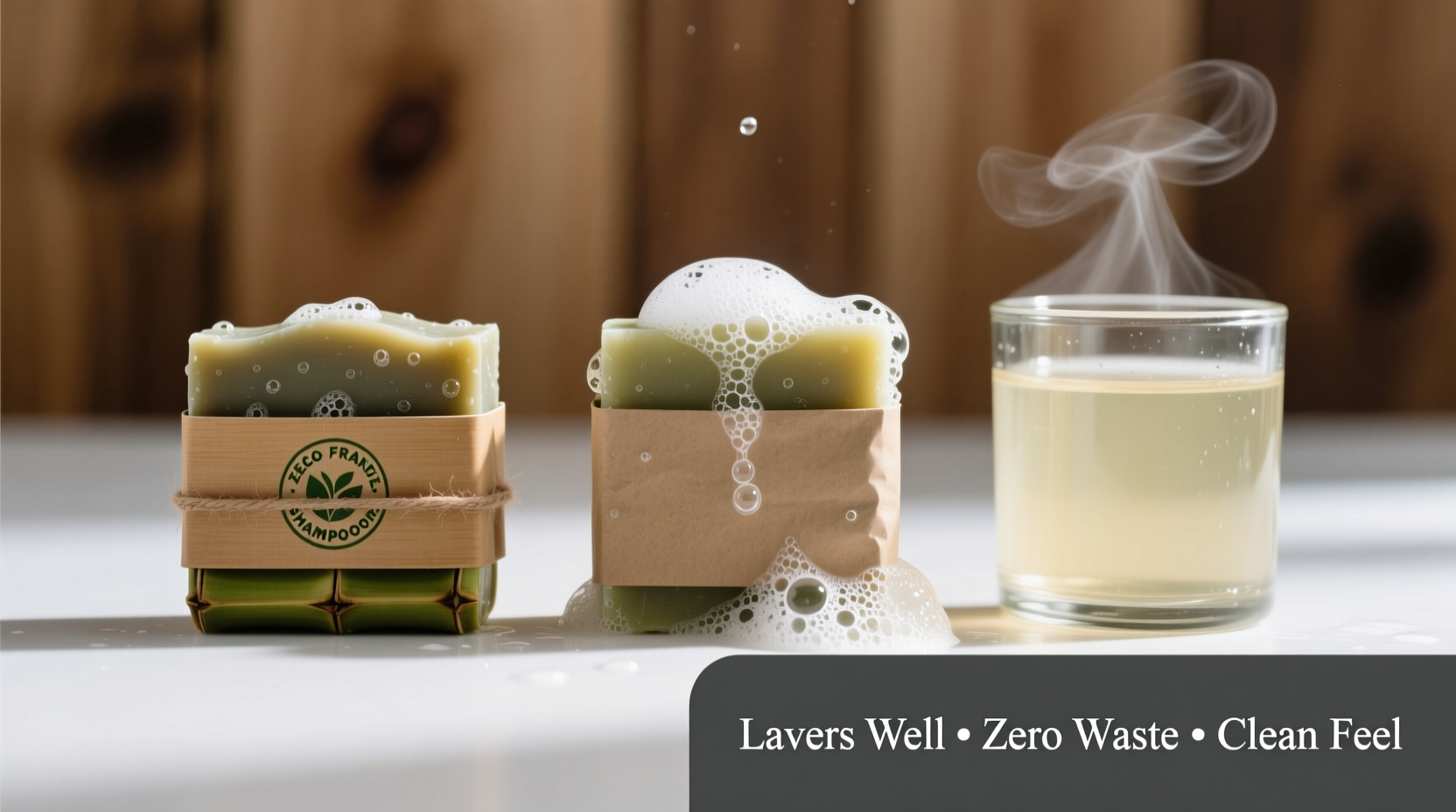
Lather isn’t just about sensory satisfaction—it’s often associated with effectiveness. While lather doesn’t directly correlate with cleaning power, it does help distribute the product evenly through the hair, lift dirt, and create a psychological signal that cleansing is happening.
In traditional liquid shampoos, sulfates like sodium lauryl sulfate (SLS) produce thick foam. Zero waste bars avoid these harsh chemicals, instead relying on gentler surfactants such as sodium coco-sulfate, cocamidopropyl betaine, or decyl glucoside. These plant-derived alternatives can still generate lather, especially when properly formulated.
“Lather in solid shampoos depends on water hardness, application technique, and surfactant synergy. A well-balanced bar shouldn’t sacrifice performance for sustainability.” — Dr. Lena Torres, Cosmetic Chemist & Sustainable Formulations ResearcherTip: To boost lather, wet your hair thoroughly, then rub the bar between your hands first to build foam before applying it to your scalp.
Top 5 Zero Waste Shampoos That Lather Well and Clean Effectively
After reviewing over two dozen brands, analyzing ingredient lists, and compiling user feedback from dermatologists, curly-hair communities, and eco-lifestyle testers, these five stand out for consistent performance in lathering and cleansing across multiple hair types.
| Brand | Key Surfactants | Lather Quality | Hair Types Suited | Price Range (USD) |
|---|---|---|---|---|
| EcoPaxa Clarifying Citrus Bar | Sodium Coco-Sulfate, Cocamidopropyl Betaine | Dense, creamy foam | Oily, fine, straight | $12–$14 |
| HiBar Hydrating Coconut | Sodium Cocoyl Isethionate, Decyl Glucoside | Rich, long-lasting | Dry, curly, color-treated | $13–$15 |
| Plaine Products Shampoo Bar | Sodium Lauryl Sulfoacetate, Coco-Glucoside | Light but effective | All types, sensitive scalp | $16 (refillable container) |
| Ethique Frizz Wrangler | Cocamidopropyl Betaine, Sodium Cocoyl Glutamate | Fluffy, voluminous | Curly, frizzy, coarse | $14–$17 |
| Woolzies Lemon + Tea Tree Bar | Sodium Coco-Sulfate, Vegetable Glycerin | Moderate, quick-forming | Dandruff-prone, oily | $10–$12 |
Each of these bars uses biodegradable surfactants and avoids parabens, silicones, synthetic fragrances, and palm oil (or uses RSPO-certified sustainable palm). Most last between 50–80 washes, depending on hair length and frequency.
EcoPaxa Clarifying Citrus Bar
This bar delivers one of the richest lathers among zero waste options. Infused with lemon peel oil and rosemary extract, it cuts through buildup from hard water and styling products. Ideal for those transitioning from silicone-heavy liquids, it provides a “squeaky clean” feel without stripping moisture. Users report noticeable shine after three uses.
HiBar Hydrating Coconut
Formulated with shea butter and coconut milk, HiBar balances lather and moisture retention. Its gentle surfactant blend produces a creamy foam even in hard water. Particularly effective for dry or chemically treated hair, it maintains softness without residue. The bar comes wrapped in recyclable paper and offers a subscription refill option.
Plaine Products Shampoo Bar
Known for its aluminum refillable bottle system, Plaine also offers a standalone bar using ultra-mild surfactants. While the lather is lighter than others, it spreads easily and rinses cleanly. Best for sensitive scalps or minimalist routines. The brand is Climate Neutral Certified and donates to ocean cleanup initiatives.
Ethique Frizz Wrangler
A favorite in the curly community, this bar combines pineapple enzymes and manuka honey to smooth the cuticle while generating abundant foam. Despite being sulfate-free, users praise its ability to cleanse second-day curls without flattening volume. Comes in compostable packaging and supports reforestation projects.
Woolzies Lemon + Tea Tree Bar
An affordable, no-frills option with strong antiseptic properties. The tea tree and lemon essential oils offer a refreshing tingle and help regulate sebum production. Lather builds quickly when used with a shampoo brush. Vegan and cruelty-free, Woolzies bars are handmade in small batches to reduce carbon footprint.
How to Choose the Right Zero Waste Shampoo for Your Hair Type
Selecting a bar isn’t one-size-fits-all. Your hair’s texture, porosity, and scalp condition influence how a shampoo performs. Follow this checklist to match a product to your needs:
- Oily hair: Look for clarifying ingredients like kaolin clay, charcoal, or citrus oils. Avoid heavy butters.
- Dry or curly hair: Prioritize moisturizing agents like cocoa butter, argan oil, or aloe vera.
- Color-treated hair: Choose sulfate-free formulas with UV protectants like carrot root extract.
- Fine or flat hair: Opt for lightweight lathering agents; avoid heavy oils that weigh hair down.
- Dandruff or itchy scalp: Seek tea tree, neem, or pyrithione zinc (zinc ricinoleate in natural forms).
Step-by-Step Guide to Transitioning to Zero Waste Shampoo
Switching from liquid to solid shampoo may require an adjustment period. Here’s a proven timeline to ease the transition and maximize results:
- Week 1: Detox Phase
Use your new bar daily. Expect reduced lather at first. Your scalp may feel waxy—this is product buildup dissolving. Rinse thoroughly with cool water to close cuticles. - Week 2–3: Adjustment Period
Wash every other day. Introduce a vinegar rinse (1 tbsp apple cider vinegar in 1 cup water) once weekly to balance pH and remove residue. - Week 4: Evaluation
Assess hair texture, shine, and scalp comfort. If greasiness persists, try a clarifying bar. If dryness occurs, switch to a more hydrating formula. - Month 2 Onward: Maintenance
Establish a rhythm. Store your bar on a draining dish away from direct shower spray to extend its life.
Most users report full adaptation within 4–6 weeks. During this time, avoid conditioning bars if using heavy silicones—residue conflict can prolong the transition.
Real User Case: From Skeptic to Advocate
Jamie R., a hairstylist from Portland, was skeptical when clients began asking about solid shampoos. “I’d tried a few bars years ago—they felt like soap, left my curls crunchy,” she said. “But last year, I tested Ethique’s Frizz Wrangler during a plastic-free challenge.”
At first, her hair felt different—less weighed down, but also less defined. She adjusted by using a boar bristle brush to distribute natural oils and applied a DIY flaxseed gel for hold. By week three, her curls were bouncier than ever. “The lather surprised me—it was airy but thorough. Now I recommend it to clients with frizz issues. My bathroom is finally free of plastic bottles.”
Her experience underscores a critical point: success with zero waste shampoo often depends on complementary habits, not just the product itself.
Common Mistakes That Kill Lather and Cleansing Power
Even the best bar can underperform if misused. Avoid these common errors:
- Leaving the bar in standing water: Causes it to soften and dissolve prematurely, reducing efficiency.
- Rubbing the bar directly on dry hair: Leads to uneven distribution and patchy lather.
- Not rinsing thoroughly: Residue from surfactants or butters can build up, making hair look dull.
- Using with high-pH soaps or bar soaps: Can disrupt scalp balance and interfere with lather formation.
- Skipping a storage tray: A ventilated wooden or bamboo dish extends bar life significantly.
“People forget that hair care is a system. Pairing a quality shampoo bar with proper tools and routines makes all the difference.” — Maya Chen, Holistic Trichologist
FAQ: Common Questions About Zero Waste Shampoos
Do zero waste shampoos work for oily hair?
Yes, especially those formulated with balancing ingredients like tea tree, clay, or citrus oils. Look for bars labeled “clarifying” or “volumizing.” They cleanse deeply without over-stripping, helping regulate oil production over time.
Why isn’t my shampoo bar lathering well?
Poor lather is usually due to hard water, improper wetting, or using the bar directly on hair. Try pre-foaming in your hands, installing a water softener, or choosing a bar with sodium coco-sulfate—a stronger lathering agent. Also ensure your bar is fully dry between uses.
Are solid shampoos safe for colored hair?
Many are, but check the label. Bars with citric acid or strong exfoliants may fade color faster. Opt for sulfate-free, low-pH formulas designed for color protection. Brands like HiBar and Ethique offer specific lines for dyed hair.
Final Checklist Before You Switch
Before purchasing your first zero waste shampoo bar, go through this quick checklist:
- ✅ Identify your hair and scalp type
- ✅ Research surfactants used (avoid unknown blends)
- ✅ Check for allergens or essential oils you’re sensitive to
- ✅ Confirm packaging is plastic-free and compostable
- ✅ Read reviews focused on lather and residue
- ✅ Invest in a draining soap dish for longevity
- ✅ Commit to a 4-week trial to assess real results
Conclusion: Clean Hair, Clear Conscience
Choosing a zero waste shampoo that lathers well and leaves hair genuinely clean is no longer a compromise—it’s a realistic, rewarding upgrade. The best options combine ethical sourcing, scientific formulation, and user-centered design to deliver performance that rivals, and often surpasses, conventional products.
By selecting a bar tailored to your hair type, mastering the application technique, and allowing time for adjustment, you gain more than just cleaner hair. You contribute to reducing the estimated 550 million plastic shampoo bottles discarded annually in the U.S. alone.
🚀 Ready to make the switch? Start with one of the top-rated bars listed here, track your hair’s response over four weeks, and share your journey. Your next great hair day could be plastic-free.








