
Public speaking consistently ranks among the most common fears—often surpassing even the fear of death. The physical symptoms—racing heart, shallow breath, trembling hands—are signs of your body’s natural stress response. But while you can’t eliminate nerves entirely, you can regulate them. Breathing is one of the most immediate and powerful tools at your disposal. Unlike other calming methods that require preparation or equipment, breath control is always accessible. When used strategically, specific breathing techniques can reset your nervous system, lower cortisol levels, and create a sense of calm focus just minutes before stepping on stage.
The key lies not in simply taking deep breaths, but in applying structured, science-backed patterns that activate the parasympathetic nervous system—the part of your body responsible for relaxation. Used by performers, athletes, and military personnel, these techniques turn panic into presence. This guide explores the most effective breathing strategies, when to use them, and how to integrate them seamlessly into your pre-speech routine.
Understanding the Physiology of Anxiety and Breath
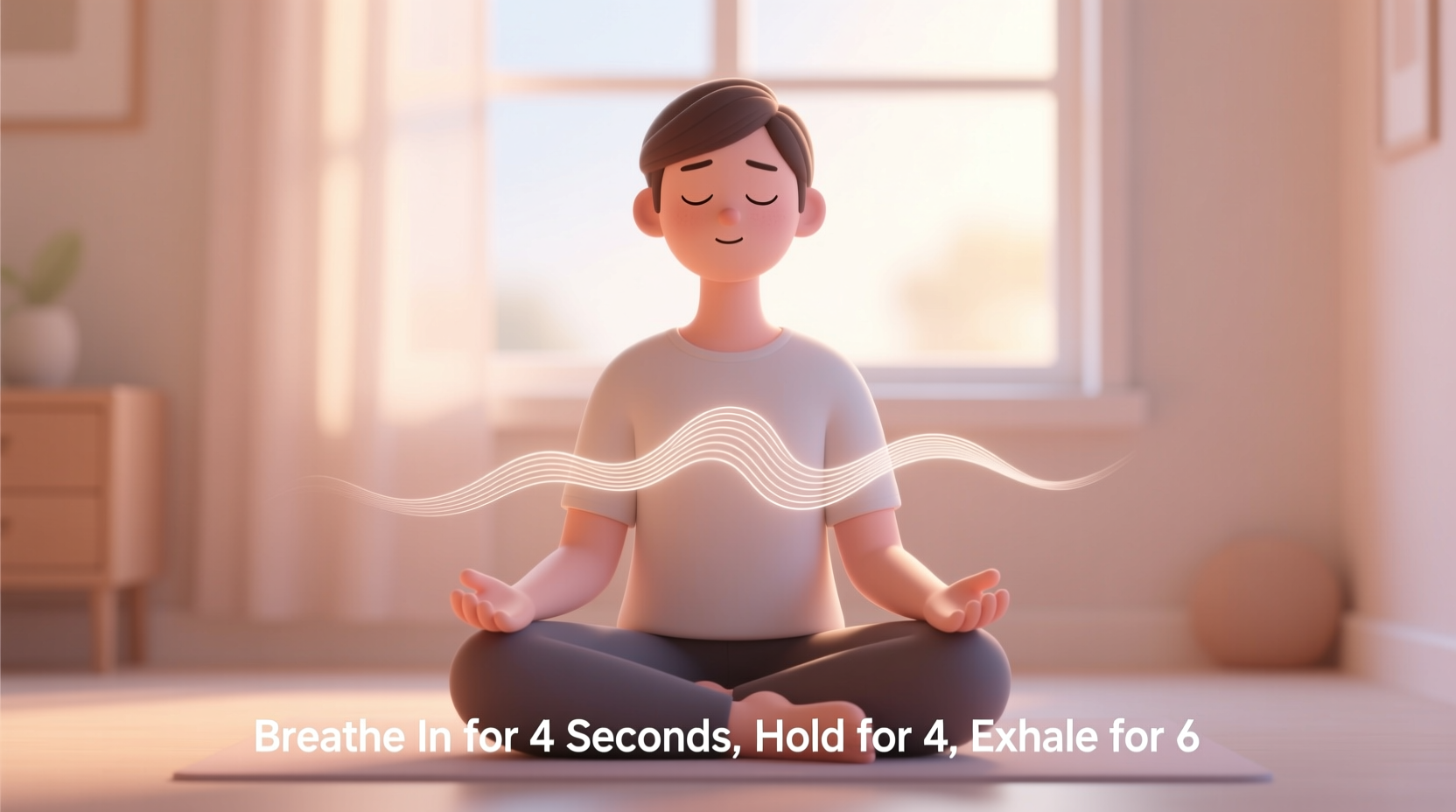
Anxiety triggers the sympathetic nervous system, initiating the “fight-or-flight” response. Your heart rate increases, muscles tense, and breathing becomes rapid and shallow—primarily in the upper chest. While this response evolved to help humans survive threats, it’s counterproductive during public speaking, where clarity, composure, and vocal control are essential.
In contrast, slow, rhythmic diaphragmatic breathing stimulates the vagus nerve, which acts as a brake on the stress response. This activates the parasympathetic nervous system, slowing the heart rate, lowering blood pressure, and signaling safety to the brain. Research from Harvard Medical School confirms that controlled breathing can reduce anxiety symptoms within minutes, making it an ideal intervention before high-pressure moments.
“Breath is the bridge between mind and body. When you regulate your breathing, you directly influence your emotional state.” — Dr. Patricia Gerbarg, Assistant Clinical Professor of Psychiatry, New York Medical College
Unlike medication or cognitive techniques that may take time to work, breath regulation offers immediate physiological feedback. It doesn’t erase anxiety—it transforms your relationship with it.
Top 5 Breathing Techniques for Pre-Speech Calm
Not all breathing methods are equally effective under pressure. The following techniques have been validated through clinical research and real-world application in high-stress environments.
1. Box Breathing (4-4-4-4)
Originally developed for Navy SEALs to maintain composure in combat, box breathing is a simple yet potent technique for regaining mental control.
Tip: Practice box breathing daily for two weeks to make it instinctive under stress.- Inhale through your nose for 4 seconds.
- Hold the breath for 4 seconds.
- Exhale slowly through your mouth for 4 seconds.
- Hold the lungs empty for 4 seconds.
- Repeat for 3–5 cycles.
This pattern creates a predictable rhythm that distracts the mind from anxious thoughts and stabilizes heart rate variability. Its symmetry makes it easy to remember, even when nervous.
2. Diaphragmatic (Belly) Breathing
Most people breathe shallowly when stressed, using only the upper chest. Diaphragmatic breathing reverses this by engaging the full lung capacity.
- Sit upright or lie down with one hand on your chest, the other on your abdomen.
- Inhale deeply through your nose, directing air into your belly so the lower hand rises while the upper hand remains still.
- Exhale slowly through pursed lips, gently contracting your abdominal muscles.
- Continue for 5–10 minutes.
A study published in *Frontiers in Psychology* found that participants who practiced diaphragmatic breathing for 20 minutes daily reported significantly reduced anxiety and improved attention after just eight weeks. Even a single session before speaking can enhance vocal projection and reduce jitteriness.
3. 4-7-8 Breathing (Relaxing Breath)
Developed by Dr. Andrew Weil, this method leverages extended exhalation to maximize parasympathetic activation.
- Inhale quietly through your nose for 4 seconds.
- Hold your breath for 7 seconds.
- Exhale completely through your mouth, making a whooshing sound, for 8 seconds.
- Repeat 4 times.
The prolonged exhale is critical—it increases carbon dioxide retention slightly, which dilates blood vessels and promotes relaxation. This technique is particularly effective if you’re feeling lightheaded or overstimulated backstage.
4. Coherent Breathing (Resonance Frequency)
Also known as \"equal breathing,\" this technique aligns with your body’s natural respiratory sinus arrhythmia, optimizing heart rate variability for calm alertness.
- Breathe in through your nose for 5 seconds.
- Breathe out through your nose for 5 seconds.
- Maintain a smooth, even pace without pausing.
- Continue for 5–10 minutes.
Research from the *Journal of Alternative and Complementary Medicine* shows that breathing at 5 breaths per minute induces a state of physiological coherence, where heart, lungs, and brain function in sync. This state enhances mental clarity—ideal for delivering a well-structured speech.
5. Pursed-Lip Breathing
Commonly used by patients with respiratory conditions, this method helps release trapped air and slows respiration.
- Inhale slowly through your nose for 2 seconds.
- Pucker your lips as if blowing out a candle.
- Exhale slowly and gently through pursed lips for 4–6 seconds.
- Repeat for 5 minutes.
This technique prevents hyperventilation and gives you a sense of control over your breath, which translates into perceived control over the situation.
When and How to Use These Techniques
Timing matters. Applying breathing exercises at strategic moments maximizes their impact.
| Time Before Speech | Recommended Technique | Purpose |
|---|---|---|
| 30–60 minutes prior | Diaphragmatic Breathing (5 min) | Prevent escalation of baseline anxiety |
| 10–15 minutes prior | Box Breathing (3–5 cycles) | Regulate heart rate and focus attention |
| Right before going on stage | 4-7-8 Breathing (4 rounds) | Counteract acute panic or dizziness |
| During pauses in speech | Pursed-Lip Breathing (1–2 breaths) | Regain composure mid-presentation |
Consistency in practice amplifies effectiveness. Just as athletes rehearse movements, speakers should rehearse calm. Practicing these techniques daily—even when not anxious—builds neural pathways that make them easier to access under pressure.
Real-World Application: A Mini Case Study
Julia, a marketing director, was scheduled to present quarterly results to company executives and investors. Despite her expertise, she experienced intense anxiety—her voice would shake, and she’d forget key points. After researching non-pharmaceutical solutions, she began practicing coherent breathing for 10 minutes each morning and box breathing before team meetings.
Two weeks before her presentation, she integrated a pre-speech routine: five minutes of diaphragmatic breathing in her office, followed by three rounds of box breathing in the hallway. During the speech, whenever she felt tension rising, she used a silent version of pursed-lip breathing during natural pauses.
The result? She delivered her talk clearly and confidently. Post-event feedback highlighted her poise and command of the material. “I didn’t feel fearless,” she said later, “but I felt in control. My breath became my anchor.”
Do’s and Don’ts of Pre-Speech Breathing
To avoid counterproductive habits, follow this practical checklist:
| Do’s | Don’ts |
|---|---|
| Practice techniques daily for at least 5 minutes | Wait until you’re anxious to try breathing for the first time |
| Breathe through the nose when possible to warm and filter air | Force your breath or hyperventilate in an attempt to calm down |
| Use tactile cues (hand on belly) to ensure proper diaphragm engagement | Slump or hunch over, which restricts lung expansion |
| Start early—begin your routine at least 30 minutes before speaking | Rely solely on breathing if you have untreated chronic anxiety; seek professional support |
| Combine breathing with grounding techniques (e.g., noticing 5 things you see) | Compare your performance to others; focus on your own process |
Step-by-Step Pre-Speech Breathing Routine
Follow this 12-minute protocol to optimize your physiological state before any presentation:
- Minute 0–5: Find a quiet space. Sit with feet flat and spine straight. Perform diaphragmatic breathing—inhale for 4, exhale for 6. Focus solely on the rise and fall of your abdomen.
- Minute 6–8: Transition to box breathing. Inhale (4), hold (4), exhale (4), hold (4). Repeat for three cycles. Visualize each phase as a side of a square.
- Minute 9–10: Switch to 4-7-8 breathing. Complete four full cycles. Let the extended exhale release tension from your jaw, shoulders, and hands.
- Minute 11: Stand up. Practice two rounds of coherent breathing while visualizing yourself speaking calmly and clearly.
- Minute 12: Take one final deep breath, smile, and walk toward the stage with purpose.
This sequence systematically reduces arousal, sharpens focus, and primes your body for confident delivery.
Frequently Asked Questions
Can breathing techniques really stop panic attacks before a speech?
While they may not stop a full panic attack alone, breathing techniques are a primary tool in managing acute anxiety. When combined with cognitive strategies (like reframing negative thoughts), they can prevent escalation. For individuals with panic disorder, these techniques should complement—not replace—professional treatment.
How long does it take for breathing exercises to work?
Physiological changes begin within 60–90 seconds. Most people report feeling calmer after 2–3 minutes of consistent, focused breathing. However, long-term benefits increase with regular practice, making the response faster and more automatic over time.
Is it better to breathe through the nose or mouth?
Nasal breathing is generally preferred because it filters, warms, and humidifies air, and increases nitric oxide production, which improves oxygen absorption. However, during techniques like 4-7-8, mouth exhalation helps prolong the breath and enhances the calming effect. Use nasal inhalation whenever possible, and adjust exhalation based on the technique.
Conclusion: Breathe With Purpose, Speak With Confidence
Anxiety before public speaking isn’t a flaw—it’s a sign that you care. What separates confident speakers from overwhelmed ones isn’t the absence of fear, but the ability to manage it. Breathing techniques offer a scientifically grounded, instantly available way to reclaim control. They don’t require special tools, apps, or medications—just awareness and practice.
Start today. Dedicate five minutes each morning to diaphragmatic breathing. Test different methods to find what resonates with you. By the time your next speaking opportunity arrives, your breath will be more than a reflex—it will be your secret weapon.
💬 Ready to transform your speaking experience? Choose one breathing technique and practice it daily for seven days. Share your progress or questions in the comments below—your journey could inspire someone else to speak up, breathe deep, and be heard.