
Mosquitoes are more than just a seasonal nuisance—they carry diseases like dengue, Zika, and West Nile virus. While synthetic repellents such as DEET are effective, many people seek safer, natural alternatives. Essential oils offer a compelling solution: plant-derived compounds with proven insect-repelling properties that avoid harsh chemicals. When properly blended, certain essential oils can provide robust protection against mosquito bites, especially in low-exposure environments or for those sensitive to conventional sprays.
The key lies not in using a single oil, but in formulating synergistic blends that enhance efficacy and duration. Some oils disrupt mosquitoes’ ability to detect carbon dioxide and lactic acid—chemical cues they use to locate humans. Others emit scents that naturally deter these insects. With careful selection, dilution, and application, essential oil blends can be both practical and powerful tools in your defense strategy.
Why Avoid DEET? The Case for Natural Alternatives
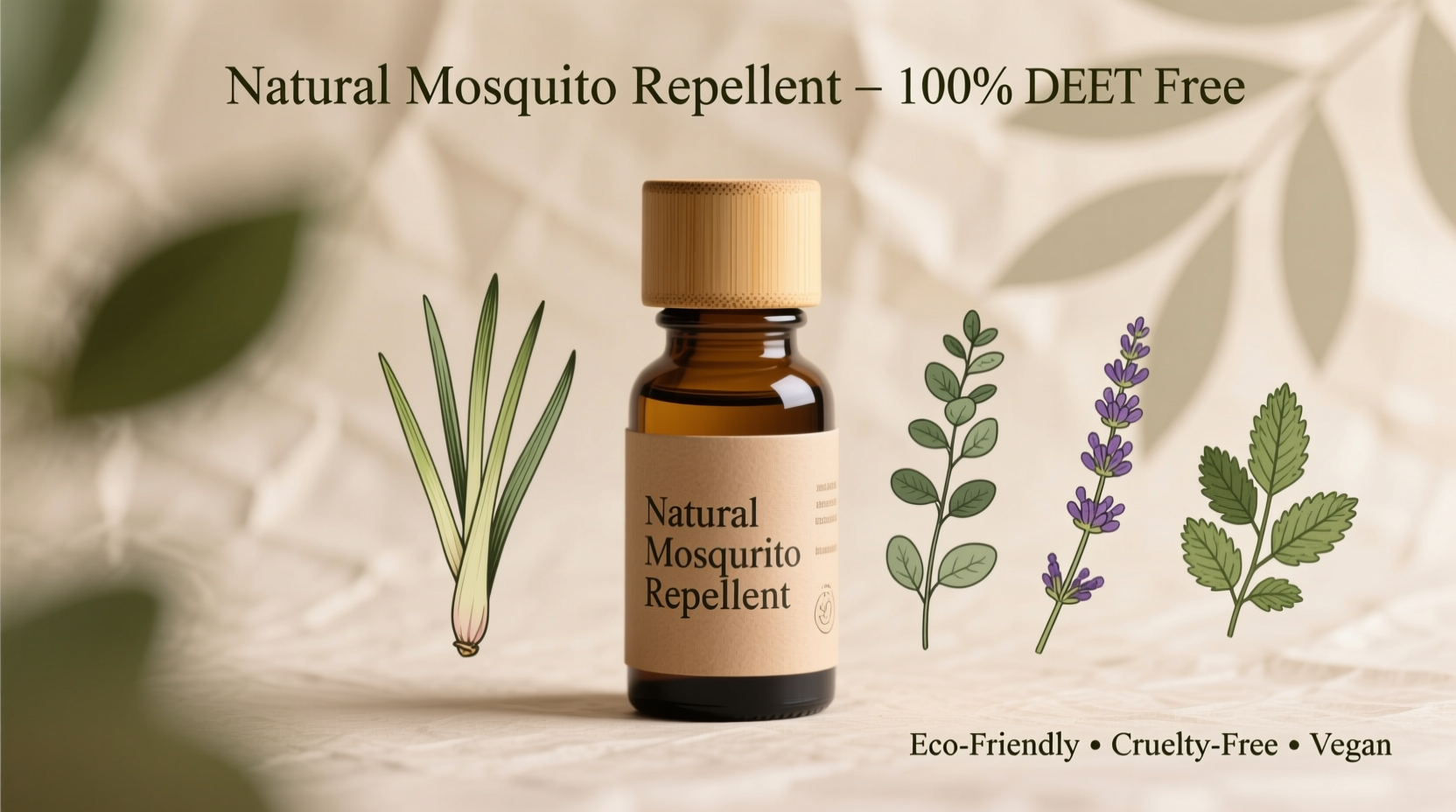
DEET (N,N-diethyl-meta-toluamide) has long been the gold standard in mosquito repellents. It’s widely used and effective, but concerns have grown over its potential side effects. In rare cases, DEET has been linked to skin irritation, neurological symptoms, and even seizures when misused or applied excessively—particularly in children. The Environmental Protection Agency (EPA) recognizes it as safe when used as directed, yet many consumers prefer to minimize exposure to synthetic chemicals.
Natural essential oil blends present a viable alternative. They are biodegradable, generally safe when diluted properly, and often come with additional benefits such as pleasant aromas and antimicrobial properties. While they typically require more frequent reapplication than DEET-based products, their safety profile makes them ideal for families, pregnant women, and individuals with chemical sensitivities.
“Essential oils like citronella, eucalyptus, and lemongrass have demonstrated measurable repellency against Aedes and Anopheles mosquitoes in controlled studies.” — Dr. Lena Torres, Entomologist & Public Health Researcher
Top Essential Oils Proven to Repel Mosquitoes
Not all essential oils are equally effective. Scientific research and field testing have identified several standout performers. These oils contain active compounds such as citral, eugenol, limonene, and p-menthane-3,8-diol (PMD), which interfere with mosquito sensory systems.
- Lemon Eucalyptus (Eucalyptus citriodora): Contains PMD, a compound so effective it’s recognized by the CDC as a recommended mosquito repellent. Studies show it can offer up to 6 hours of protection when formulated correctly.
- Citronella (Cymbopogon nardus): One of the most well-known natural repellents. Its strong lemon-grass scent masks human odors. Effective for about 2 hours unless encapsulated or combined with fixatives.
- Lavender (Lavandula angustifolia): Offers moderate repellency and soothes skin. Also helps reduce itching if you do get bitten.
- Peppermint (Mentha piperita): Strong aroma deters mosquitoes and provides a cooling sensation on the skin.
- Tea Tree (Melaleuca alternifolia): Known for antiseptic qualities, it also exhibits repellent effects and may help prevent infection from bites.
- Clove (Syzygium aromaticum): High in eugenol, clove oil is potent but must be used in low concentrations due to skin sensitivity risks.
- Rosemary (Rosmarinus officinalis): Shown in trials to repel mosquitoes for up to 2.5 hours. Heat-stable and useful in diffusers or sprays.
- Geranium (Pelargonium graveolens): Often used in commercial natural repellents; works well in synergy with other oils.
Best Essential Oil Blends for Maximum Protection
Blending enhances performance through synergy. Certain combinations amplify repellent effects and extend wear time. Below are three scientifically informed, user-tested blends categorized by use case.
Blend 1: Outdoor Adventure Spray (Up to 4 Hours of Protection)
Ideal for hiking, camping, or backyard gatherings. This blend balances potency and skin safety.
| Oil | Drops per 30ml (1 oz) Carrier Oil | Role |
|---|---|---|
| Lemon Eucalyptus | 25 | Primary repellent (PMD-rich) |
| Citronella | 20 | Odor masking |
| Clove | 5 | Booster (use sparingly) |
| Lavender | 10 | Soothing + mild repellency |
Mix with fractionated coconut oil or jojoba oil. Shake well before each use. Reapply every 3–4 hours.
Blend 2: Family-Friendly Room Diffuser
Safe for indoor use around children over age 3 and pets (avoid cats with certain oils). Use in an ultrasonic diffuser during evening hours.
- 10 drops Citronella
- 8 drops Lemongrass
- 6 drops Rosemary
- 5 drops Lavender
This combination fills the space with a fresh, herbaceous aroma while reducing mosquito presence near windows and doors.
Blend 3: After-Sun Bite Relief Roller
Not a repellent, but a post-bite treatment to calm irritation and prevent scratching.
- Add to a 10ml roller bottle: 5ml fractionated coconut oil
- Add 10 drops Lavender essential oil
- Add 5 drops Tea Tree essential oil
- Add 5 drops Peppermint essential oil
- Roll directly onto bites as needed
Peppermint provides immediate cooling; tea tree reduces risk of infection; lavender promotes healing.
Step-by-Step Guide: Making Your Own Mosquito-Repelling Spray
Creating a custom essential oil spray at home is simple, cost-effective, and ensures full control over ingredients. Follow this timeline for best results:
- Day 1: Gather Supplies
Select high-quality, pure essential oils from reputable brands. You’ll need a dark glass spray bottle (2 oz / 60 ml), a carrier oil (like jojoba or sweet almond), and optionally, high-proof alcohol (e.g., witch hazel or vodka) to help disperse oils and extend shelf life. - Day 1: Prepare the Blend
In your spray bottle, combine:- 1/3 cup witch hazel or vodka (optional, increases spreadability)
- 2/3 cup distilled water or aloe vera juice (for soothing effect)
- 30 drops Lemon Eucalyptus
- 20 drops Citronella
- 10 drops Geranium
- 10 drops Lavender
- Day 1–2: Let It Rest
Store the bottle in a cool, dark place for 24 hours. This allows the oils to fully integrate and stabilize. - Day 2: Test and Apply
Perform a patch test on your inner forearm. Wait 24 hours to check for redness or irritation. If clear, apply lightly to exposed skin before going outdoors. Avoid eyes, lips, and open wounds. - Ongoing: Reapply Every 2–4 Hours
Natural oils evaporate faster than synthetic chemicals. Reapply after swimming, sweating, or towel drying.
Real-World Example: Backyard Barbecue Success
Sarah, a mother of two in Florida, was tired of her family relying on chemical sprays during summer evenings. Concerned about her youngest child’s asthma, she decided to try a homemade essential oil blend. She mixed lemon eucalyptus, citronella, and lavender in a spray using witch hazel and water. She applied it to arms and legs before a family cookout at dusk—the peak mosquito hour.
Over the next two hours, only one person received a single bite, compared to multiple bites in previous weeks using no repellent. Her kids enjoyed the citrusy scent and didn’t complain about stickiness or smell. Encouraged, Sarah began using the spray weekly and shared the recipe with neighbors. While she still uses caution near standing water, the blend significantly reduced discomfort and eliminated her reliance on DEET.
Do’s and Don’ts of Using Essential Oils Safely
To maximize effectiveness and minimize risk, follow these guidelines:
| Do’s | Don’ts |
|---|---|
| Always dilute essential oils in a carrier oil or aqueous base | Never apply undiluted essential oils directly to skin (except in rare, specific cases under guidance) |
| Store blends in dark glass bottles away from sunlight | Don’t use photosensitizing oils (like citrus oils) before sun exposure |
| Label all bottles clearly with ingredients and date | Don’t use on infants under 6 months old |
| Reapply regularly, especially after sweating or swimming | Don’t expect 8+ hour protection—natural oils require more frequent use |
| Use blends in diffusers for passive protection indoors | Don’t rely solely on essential oils in high-risk disease areas without additional measures |
“Natural doesn’t always mean risk-free. Clove and cinnamon oils, while effective, can cause burns if not properly diluted.” — Dr. Amira Chen, Clinical Aromatherapist
Frequently Asked Questions
Can essential oils really replace DEET?
They can be effective in low-mosquito environments or for short-term outdoor activity. However, in regions with high mosquito populations or disease risk (like malaria zones), DEET or EPA-registered PMD products are still recommended. Essential oils work best as part of an integrated approach that includes clothing coverage and environmental control.
Are these blends safe for children?
Yes, with modifications. For children aged 2–10, reduce the total essential oil concentration by half. Avoid using camphoraceous oils like peppermint or eucalyptus in children under 3. Opt instead for gentle oils like lavender and citronella at low dilutions (1% or less).
How long do essential oil repellents last?
Most natural blends offer 2 to 4 hours of protection, depending on formulation, climate, and activity level. Heat, humidity, and perspiration accelerate evaporation. Reapplication is necessary for sustained defense.
Final Checklist: Creating Your Mosquito Defense Plan
Before heading outdoors, ensure you’re prepared:
- ✅ Choose a proven blend with at least two major repellent oils (e.g., lemon eucalyptus + citronella)
- ✅ Dilute properly: 2–5% concentration for adults (12–30 drops per ounce of carrier)
- ✅ Perform a patch test 24 hours before full application
- ✅ Pack your spray in a leak-proof container for easy access
- ✅ Combine with protective clothing: long sleeves, light colors, and mesh gear when needed
- ✅ Eliminate standing water around your home to reduce breeding sites
- ✅ Use fans outdoors—mosquitoes are weak fliers and avoid breezy areas
Conclusion: Embrace Nature’s Protection
You don’t need to compromise safety for effectiveness when protecting yourself from mosquitoes. The best essential oil blends—crafted with lemon eucalyptus, citronella, lavender, and clove—offer a powerful, eco-friendly alternative to DEET. Supported by research and real-world success, these natural solutions empower you to enjoy the outdoors with confidence.
Start small: mix a batch of repellent spray, test it safely, and refine based on your experience. Share what works with friends and family. As awareness grows about sustainable health choices, your journey toward chemical-free protection can inspire others. Nature has equipped us with remarkable tools—time to use them wisely.
💬 Have a favorite essential oil blend that keeps mosquitoes away? Share your recipe and experiences in the comments below—your insight could help someone find relief tonight.








