
Bearded dragons are omnivorous reptiles with complex nutritional needs that shift as they age. While juveniles require more protein from insects, adults thrive on a diet rich in leafy greens and vegetables—up to 70–80% of their intake. When a mature bearded dragon refuses greens, it raises concern for owners. This isn’t just about picky eating; persistent avoidance can lead to malnutrition, metabolic bone disease, and digestive issues. Understanding the root causes and implementing strategic dietary adjustments is essential for long-term health.
Why Bearded Dragons May Refuse Greens
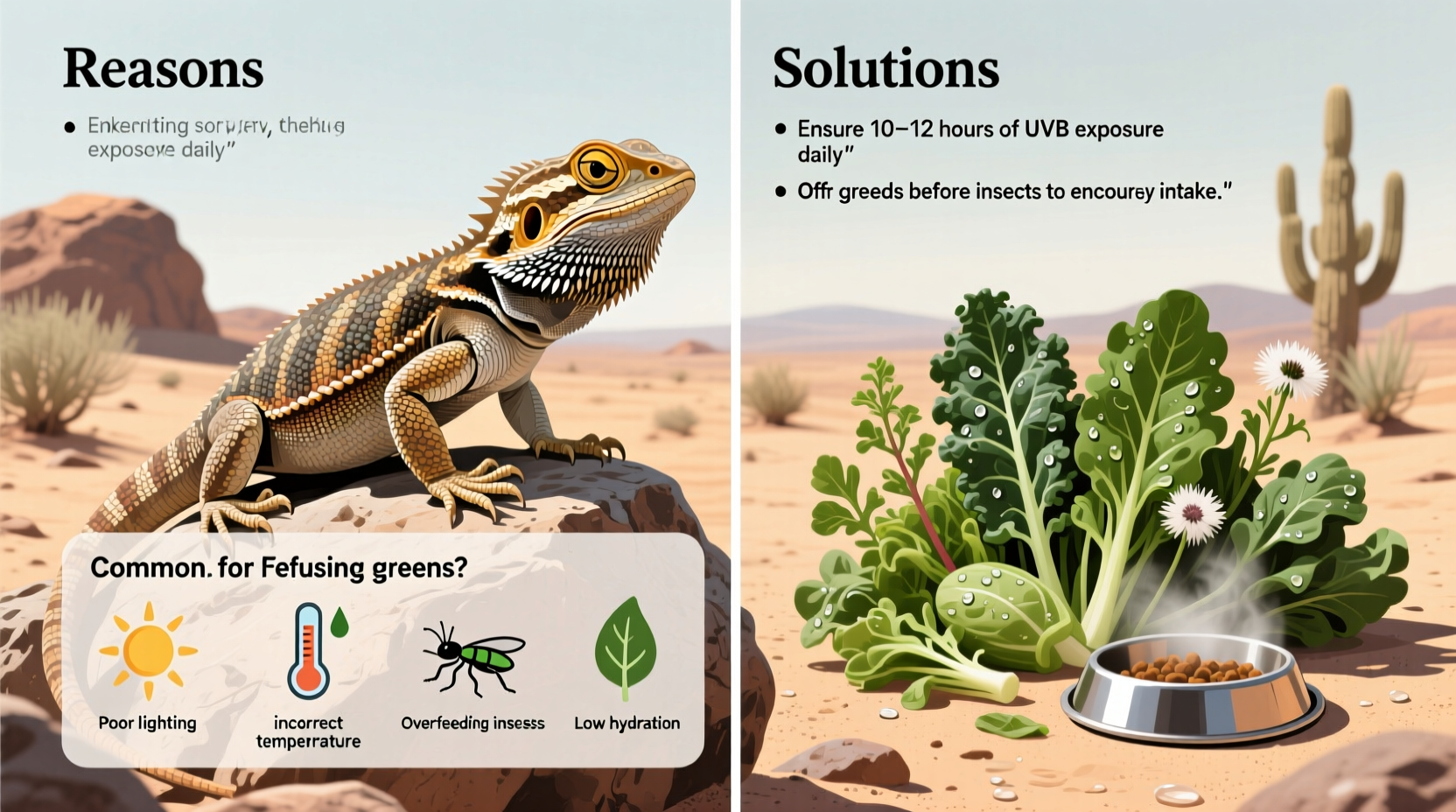
A bearded dragon’s refusal to eat greens often stems from environmental, physiological, or behavioral factors. Identifying the underlying cause is the first step toward resolution.
Age and Dietary Shifts
Young bearded dragons (under 6 months) naturally prefer insects due to their rapid growth and high protein demands. As they mature, their digestive systems adapt to process more plant matter. If an owner continues feeding a juvenile-style diet past 12 months, the dragon may develop a strong preference for bugs and reject greens entirely. Transitioning too abruptly, however, can also backfire—leading to food refusal.
Poor Gut Health or Digestive Issues
Chronic constipation, impaction, or bacterial imbalances in the gut can make a bearded dragon wary of eating anything new. If greens are introduced during or after a digestive upset, the animal may associate them with discomfort. Signs include bloating, infrequent defecation, and lethargy.
Incorrect Lighting and Temperature
UVB lighting is critical for vitamin D3 synthesis, which enables calcium absorption. Without proper UVB exposure, bearded dragons cannot metabolize calcium effectively—even if it's present in their diet. A deficiency leads to poor appetite and lethargy. Similarly, inadequate basking temperatures (below 95°F/35°C) impair digestion, making greens seem unappealing because they’re harder to break down.
Tip: Replace UVB bulbs every 6–12 months, even if they still emit visible light—output degrades over time.Taste Preferences and Habituation
Like humans, bearded dragons have individual taste preferences. Some favor crunchy textures (like bell peppers), while others avoid bitter greens such as kale or collard leaves. Long-term feeding of sugary vegetables (e.g., carrots, squash) can condition them to reject milder-tasting nutritious options.
Stress or Environmental Factors
Changes in enclosure setup, excessive handling, loud noises, or competition from other pets can stress a bearded dragon. Stress suppresses appetite and disrupts normal feeding behaviors. Newly adopted dragons may take weeks to acclimate before accepting new foods.
Dietary Fixes to Encourage Green Consumption
Correcting green rejection requires patience, consistency, and smart feeding strategies. The goal is to gradually retrain the dragon’s palate and ensure optimal conditions for digestion and nutrient uptake.
Gradual Diet Transition Plan
For adult dragons still eating a juvenile diet, slowly reduce insect feedings from daily to 2–3 times per week. Simultaneously increase the portion and variety of greens offered daily. Mix familiar favorites (like butternut squash) with new greens to create positive associations.
- Start by offering greens first thing in the morning when the dragon is most active.
- Mix finely chopped preferred veggies with less-liked greens to encourage sampling.
- Remove uneaten insects before presenting greens to eliminate competition.
- Offer greens consistently at the same time each day to build routine.
Enhance Palatability Naturally
Some greens are naturally more appealing than others. Use these techniques to boost interest:
- Sprinkle with bee pollen – a natural attractant many dragons find irresistible.
- Add a drop of organic fruit juice (e.g., apple or papaya) to lightly coat greens—use sparingly to avoid sugar dependency.
- Hand-feed small pieces using tweezers to build trust and curiosity.
- Change texture – try shredding, grating, or lightly misting greens to alter mouthfeel.
Optimize Nutritional Balance
Not all greens are equal. Prioritize nutrient-dense, low-oxalate options that support long-term health. Rotate varieties weekly to prevent boredom and ensure broad-spectrum nutrition.
| Recommended Greens | Nutritional Benefits | Feeding Frequency |
|---|---|---|
| Dandelion leaves | High in calcium, fiber, and antioxidants | Daily |
| Mustard greens | Rich in vitamins A, C, K; moderate calcium | 3–4 times/week |
| Collard greens | Excellent calcium-to-phosphorus ratio | 3 times/week |
| Endive / Escarole | Bitter but hydrating and digestion-friendly | 2–3 times/week |
| Kale (limited) | High calcium but contains goitrogens | Once/week max |
“Diet diversity is just as important as supplementation. A rotating menu of dark leafy greens prevents nutritional gaps and keeps dragons engaged.” — Dr. Rachel Thompson, DVM, Exotic Pet Nutrition Specialist
Common Mistakes That Worsen the Problem
Well-meaning owners often inadvertently reinforce poor eating habits. Avoid these pitfalls:
- Overfeeding insects: Even occasional bug treats can reset preferences, especially if given before greens.
- Relying on one type of green: Monotony leads to disinterest. Rotate at least 3–4 types weekly.
- Using iceberg lettuce: It has almost no nutritional value and fills the stomach without providing nutrients.
- Skipping calcium dusting: Even with good greens, lack of supplementation leads to deficiencies.
- Introducing too many changes at once: Sudden diet shifts cause stress and refusal.
Step-by-Step Guide to Reintroduce Greens
If your bearded dragon hasn’t eaten greens in weeks, follow this structured approach to rebuild healthy eating habits over 4–6 weeks.
- Week 1: Assess Environment – Check UVB bulb age, basking temperature (95–105°F), and photoperiod (10–12 hours of light). Correct any issues.
- Week 2: Eliminate Competition – Stop feeding insects temporarily. Offer only safe, varied greens twice daily.
- Week 3: Enhance Appeal – Lightly mist greens, hand-feed preferred types, and add bee pollen or diluted fruit scent.
- Week 4: Reintroduce Insects Strategically – Resume feeding insects only after greens have been consumed, never before.
- Weeks 5–6: Monitor and Rotate – Track what’s eaten, adjust combinations, and maintain consistency.
This timeline allows the dragon to recalibrate its expectations and reduces reliance on high-protein foods. Patience is key—some dragons take several weeks to accept change.
Mini Case Study: Leo the Picky Eater
Leo, a 2-year-old male bearded dragon, was brought to a reptile vet clinic after his owner reported he hadn’t eaten greens in over two months. He was alert but slightly underweight, with soft jaw margins indicating early-stage metabolic bone disease. His diet consisted of crickets daily and occasional pieces of carrot or squash.
The vet reviewed his habitat: a 4-month-old UVB bulb, basking spot at 90°F, and no calcium supplementation. The treatment plan included replacing the UVB light, increasing basking heat, and starting a 6-week green reintroduction protocol.
His owner began offering dandelion greens mixed with shredded squash every morning. After three weeks of consistent feeding and no insects until greens were tried, Leo started nibbling daily. By week six, he was consuming 70% greens and showed improved energy and jaw firmness. Blood tests confirmed rising calcium levels.
Leo’s case illustrates how environmental correction combined with behavioral retraining can reverse long-standing dietary resistance.
Checklist: Is Your Bearded Dragon Ready for Greens?
Use this checklist to evaluate whether your pet’s environment and routine support healthy herbivory:
- ✅ UVB bulb replaced within the last 6–12 months
- ✅ Basking temperature between 95°F and 105°F (35–40°C)
- ✅ Calcium supplement used 3–4 times per week
- ✅ Greens offered daily, preferably in the morning
- ✅ At least 3 different types of safe greens rotated weekly
- ✅ Insects fed only after greens are consumed (for adults)
- ✅ No iceberg lettuce or spinach in regular rotation
- ✅ Hydration maintained via misting or shallow water dish
Frequently Asked Questions
How long can a bearded dragon go without eating greens?
Adults should not go longer than 7–10 days without some plant matter. Short-term fasting (2–3 days) may occur due to shedding or minor stress, but prolonged refusal warrants investigation into diet, lighting, or health.
Can I force-feed greens to my bearded dragon?
No. Force-feeding causes stress and fear of food. Instead, focus on improving palatability, timing, and environment. If refusal persists beyond two weeks with weight loss, consult a veterinarian.
Are there greens I should never feed my bearded dragon?
Yes. Avoid spinach (high oxalates bind calcium), avocado (toxic), rhubarb (toxic), and lettuce varieties like iceberg (low nutrition). Also limit beet greens and Swiss chard due to oxalic acid content.
Conclusion: Building a Sustainable, Healthy Diet
A bearded dragon that won’t eat greens isn’t doomed to poor health—it’s a solvable challenge rooted in husbandry, habit, and biology. By addressing lighting, temperature, and feeding routines, and by patiently introducing a diverse array of nutritious plants, owners can guide their pets toward balanced diets. The transformation may take weeks, but the payoff is stronger bones, better digestion, and a longer, more vibrant life.
💬 Have a success story or tip for getting your bearded dragon to eat greens? Share your experience in the comments and help fellow reptile lovers overcome this common hurdle!








