
Wearing braces means committing to a higher standard of oral hygiene. With wires and brackets trapping food particles, traditional brushing often isn’t enough. That’s where water flossers—also known as oral irrigators—come in. But many patients wonder: are water flossers safe for braces, or could they actually push food further under the gumline or behind brackets? This concern is understandable, especially when dealing with sensitive orthodontic hardware. The truth is more nuanced than a simple yes or no. When used correctly, water flossers are not only safe but highly effective for people with braces. However, improper use or misunderstanding their function can lead to misconceptions about pushing debris deeper.
This article breaks down the mechanics of water flossing with braces, evaluates safety concerns, compares them to traditional flossing, and provides practical guidance backed by dental professionals. Whether you're a teen navigating your first set of braces or an adult considering Invisalign alternatives, understanding how to clean around orthodontic appliances safely is crucial for long-term oral health.
How Water Flossers Work with Braces
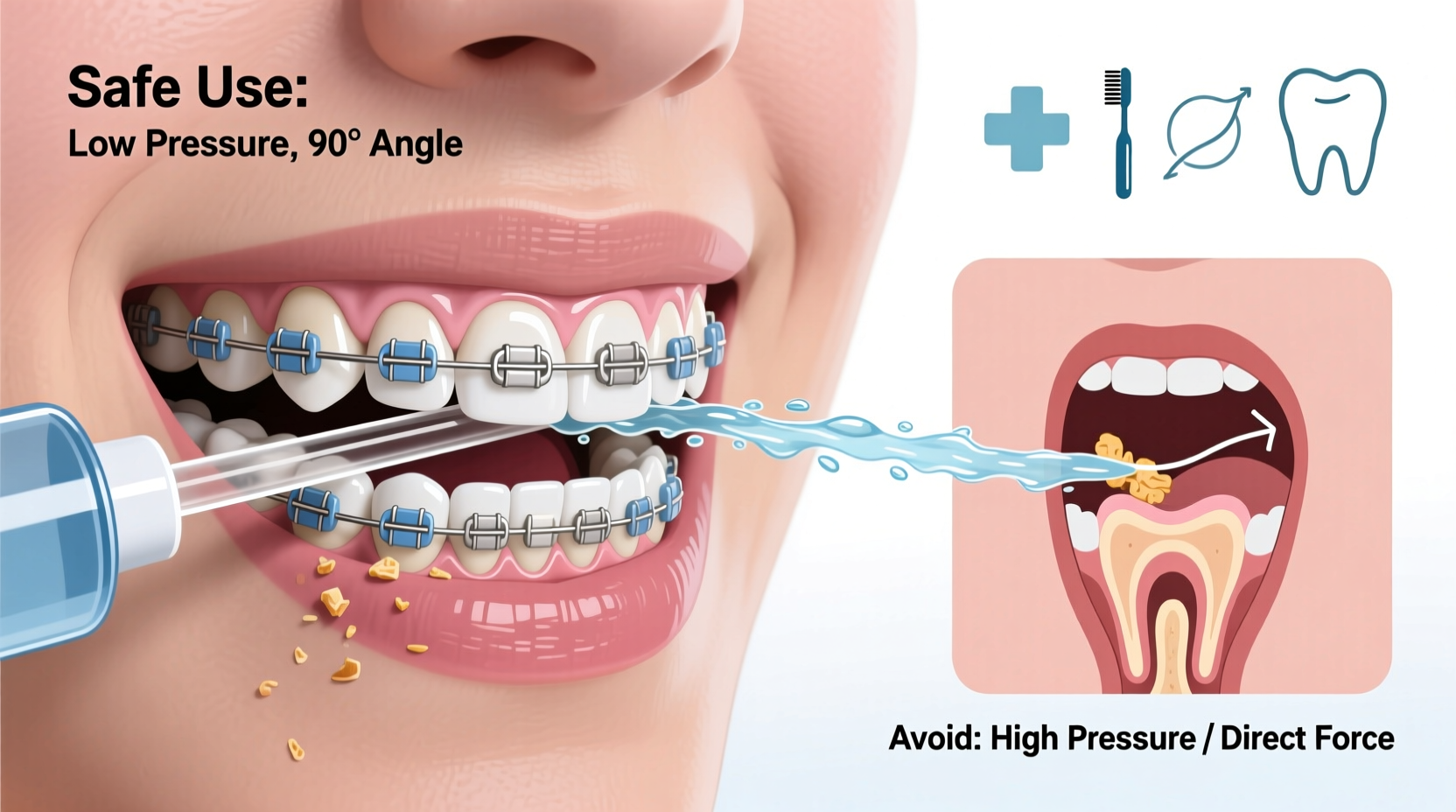
A water flosser uses a stream of pulsating water to remove plaque, food particles, and bacteria from between teeth and along the gumline. Unlike string floss, which requires threading through tight spaces, a water flosser delivers targeted bursts of water that can reach areas difficult to access with manual tools—especially helpful when metal brackets and archwires obstruct normal cleaning paths.
The device typically consists of a motorized base, a reservoir for water (or mouthwash), and a handheld tip. Most models offer adjustable pressure settings, allowing users to start gently and increase intensity as gums adapt. For those with braces, this adjustability is key—it enables thorough cleaning without irritating tender gum tissue common during orthodontic treatment.
When directed properly, the water stream dislodges trapped food from around brackets and beneath wires rather than forcing it deeper. The pulsation helps disrupt bacterial colonies and flushes out debris from gingival pockets—spaces between the gums and teeth where plaque tends to accumulate. Studies show that water flossers can reduce gingivitis and bleeding gums more effectively than string floss alone, particularly in individuals with orthodontic appliances.
Tip: Always aim the water stream at a 90-degree angle to the gumline and move slowly from tooth to tooth to ensure complete coverage.Do Water Flossers Push Food Deeper? Debunking the Myth
The idea that water flossers “push food deeper” into gums or under brackets stems from misuse or misunderstanding of technique. If the nozzle is held too close to the gums or pointed directly into a sensitive area, high pressure may cause discomfort and potentially drive small particles slightly below the surface. However, this is not typical when the device is used according to manufacturer guidelines and dental recommendations.
Research published in the Journal of Clinical Dentistry found that water flossers do not increase subgingival penetration of bacteria; instead, they significantly reduce plaque biofilm both above and just below the gumline. In fact, compared to string floss, water flossing was shown to be up to 29% more effective at removing plaque in hard-to-reach areas, including around orthodontic brackets.
Moreover, the pulsatile action of most modern water flossers mimics natural blood flow and stimulates gum tissue, promoting healthier periodontal conditions. Rather than embedding food, the alternating pressure waves loosen and evacuate debris. Think of it like using a garden hose to rinse dirt off a fence—done gently and correctly, it cleans rather than damages.
“Patients with braces often struggle to maintain adequate interdental hygiene. Water flossers, when used properly, are a safe and superior alternative to traditional flossing.” — Dr. Linda Chen, Board-Certified Orthodontist
Water Flossers vs. String Floss: A Comparison for Braces Wearers
While both methods aim to clean between teeth, their effectiveness varies significantly for people wearing braces. Below is a detailed comparison highlighting key differences relevant to orthodontic patients.
| Feature | Water Flosser | String Floss |
|---|---|---|
| Cleaning Around Brackets | Excellent – reaches under wires and around brackets easily | Poor to Moderate – difficult to thread and maneuver |
| Gum Stimulation | Yes – pulsation improves circulation and gum health | No – mechanical scraping only |
| Time Required | 1–2 minutes | 5–10 minutes (with threading challenges) |
| Risk of Gum Injury | Low (if pressure is controlled) | Moderate – risk of cutting or bruising gums |
| Effectiveness on Plaque Removal | Up to 29% more effective than string floss | Effective only if used perfectly |
| Learning Curve | Minimal – intuitive operation | Steeper – requires dexterity and patience |
For many teens and adults with braces, consistency matters more than perfection. Because water flossers are faster and easier to use, patients are more likely to incorporate them into daily routines. Compliance is one of the biggest hurdles in orthodontic care—missing even a few days can lead to plaque buildup, white spot lesions, or gingivitis. A tool that encourages regular use inherently supports better outcomes.
Step-by-Step Guide to Using a Water Flosser with Braces
To maximize benefits and avoid potential issues like food displacement, follow this step-by-step routine designed specifically for brace wearers:
- Fill the reservoir with warm water. You may add an antibacterial mouthwash (like chlorhexidine or alcohol-free formulas) if recommended by your orthodontist, but avoid colored solutions that might stain elastics.
- Select the right tip. Use an orthodontic tip if available—it’s designed with bristles to enhance cleaning around brackets.
- Start on low pressure. Especially during the first week, keep the setting gentle to allow gums to adjust.
- Bend forward slightly over the sink and open your mouth. Place the tip just above the gumline, aiming at a 90-degree angle.
- Move systematically from back molar to front tooth along the upper arch, pausing briefly between each bracket. Repeat on the lower arch.
- Focus on areas behind molars and near the gumline, where food commonly gets stuck.
- Finish with a quick brush to remove any loosened debris and apply fluoride toothpaste for added protection.
- Clean the device weekly by running vinegar or a manufacturer-approved solution through the system to prevent mineral buildup.
Real-World Example: How One Teen Improved Her Oral Health with a Water Flosser
Sophia, a 15-year-old high school student, had worn traditional metal braces for eight months when her orthodontist noticed signs of early gingivitis during a routine checkup. Despite brushing twice daily, Sophia admitted she skipped flossing because it took too long and made her gums bleed. Her hygienist suggested trying a water flosser.
At first, Sophia was skeptical. She worried the device would hurt or spray water everywhere. After a brief demonstration at the clinic, she started using it every night before bed, beginning on the lowest setting. Within two weeks, she noticed less food getting stuck after meals. By the next appointment, her gums were significantly less inflamed, and plaque scores improved by over 40%.
“I used to hate flossing,” Sophia said. “Now I actually look forward to it because it feels refreshing. My mom says I smile more now that my gums aren’t red and swollen.”
This case illustrates how switching to a water flosser can transform compliance and clinical results—even for patients who previously struggled with basic hygiene.
Best Practices and Checklist for Safe Use with Braces
To get the most out of your water flosser while minimizing risks, follow these evidence-based best practices:
- Use lukewarm water to prevent thermal shock to sensitive teeth.
- Avoid pointing the jet directly into open sores or freshly adjusted brackets.
- Replace tips every 3–6 months to maintain hygiene and performance.
- Don’t substitute water flossing for brushing—both are necessary.
- Consult your orthodontist before adding antimicrobial agents to the reservoir.
✅ Water Flosser Safety Checklist for Braces
- ✔️ Adjust pressure gradually based on comfort level
- ✔️ Aim nozzle parallel to gumline, not straight down
- ✔️ Clean all sides of each bracket (top, bottom, middle)
- ✔️ Rinse mouth afterward if using medicated solutions
- ✔️ Store device upright and empty reservoir after use
Frequently Asked Questions
Can water flossers damage braces or loosen wires?
No, water flossers do not generate enough force to damage brackets or dislodge wires when used correctly. Orthodontic appliances are secured with industrial-grade adhesives and bend-resistant wires. The water pressure from consumer devices is far below the threshold needed to compromise structural integrity.
Should I use mouthwash in my water flosser?
You can, but choose carefully. Alcohol-based rinses may irritate tissues, especially early in treatment. Opt for alcohol-free, non-staining formulas. Some dentists recommend diluting mouthwash with water (1:1 ratio) to reduce irritation while maintaining antimicrobial effects.
Is a water flosser enough on its own, or should I still use string floss?
While water flossers excel at flushing out debris, they don’t physically scrape plaque off tooth surfaces like string floss does. For optimal results, many orthodontists recommend combining both: use the water flosser first to loosen material, then follow with interdental brushes or soft picks for final polishing. If string floss is impractical, proxy brushes or floss threaders are acceptable alternatives.
Final Thoughts: Embracing Technology for Better Orthodontic Outcomes
Maintaining oral hygiene with braces doesn’t have to be a daily battle. Water flossers represent a meaningful advancement in home dental care, offering a safe, efficient, and comfortable way to manage plaque and food entrapment. Concerns about pushing food deeper are largely unfounded when proper technique is applied. In reality, water flossers help prevent complications like cavities, gum disease, and staining—common side effects of poor orthodontic hygiene.
The goal isn’t perfection but consistency. Any tool that makes patients more likely to clean thoroughly every day is worth considering. With guidance from your orthodontist and a few simple habits, a water flosser can become a cornerstone of your routine—not just during treatment, but for lifelong gum health.
💬 Have experience using a water flosser with braces? Share your tips, challenges, or favorite products in the comments—your insights could help someone else achieve a healthier, brighter smile!








