
Tinted sunscreens have surged in popularity over the past few years, especially among individuals seeking a multitasking product that combines UV protection with light coverage. Often marketed as “skin tints” or “tinted mineral SPF,” these formulas promise broad-spectrum defense against UVA and UVB rays while evening out skin tone and reducing redness. But do they measure up to traditional sunscreens in terms of efficacy and protection? Dermatologists weigh in on formulation, performance, and real-world use to help consumers make informed choices.
The Science Behind Tinted Sunscreen Formulations
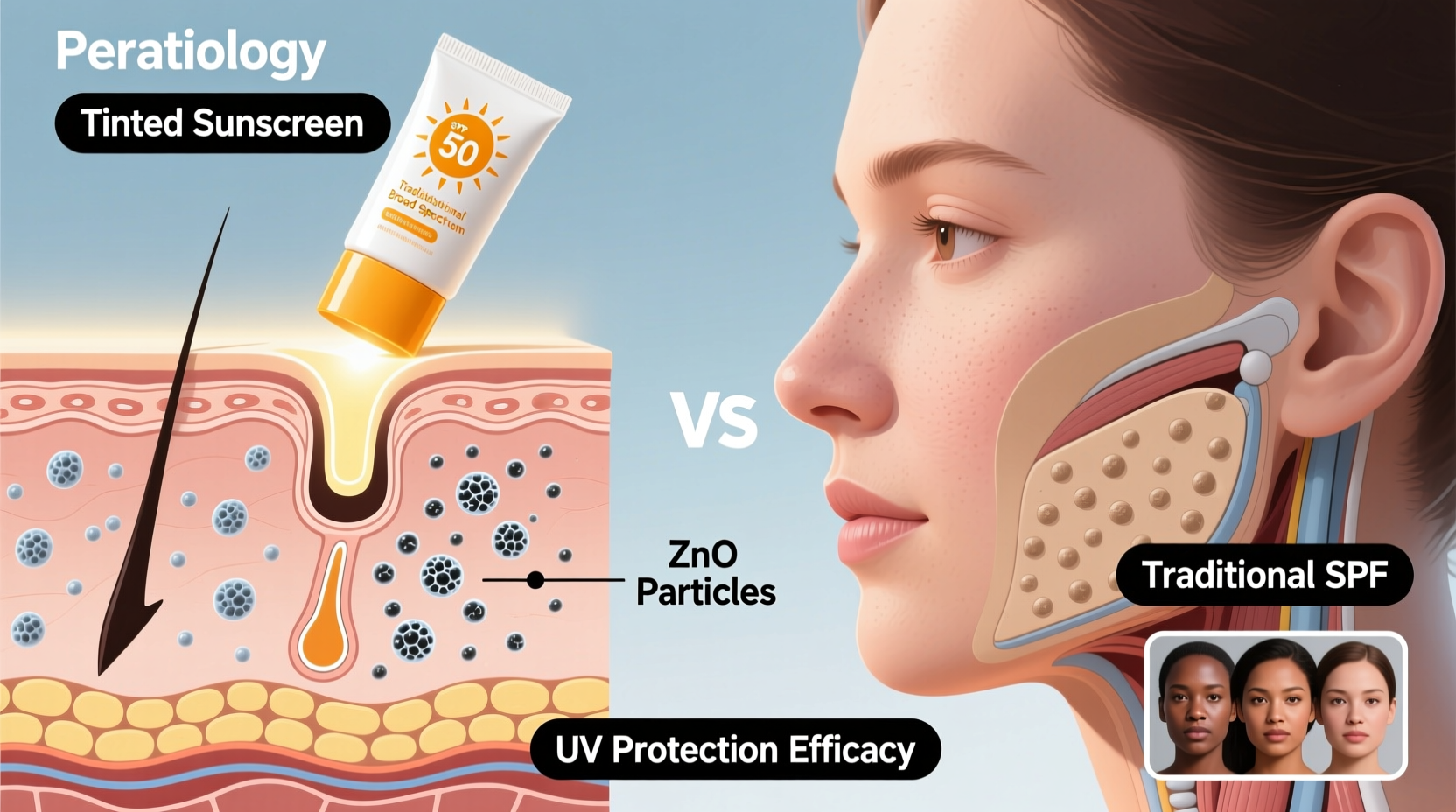
Tinted sunscreens typically rely on physical (mineral) active ingredients—primarily zinc oxide and titanium dioxide—to block UV radiation. These minerals sit on the skin’s surface, reflecting and scattering harmful rays rather than absorbing them like chemical filters. The addition of iron oxides gives the product its color, which ranges from sheer tints to more opaque formulations designed for deeper skin tones.
Iron oxides are not just cosmetic pigments; they play a functional role in photoprotection. Studies show that iron oxides absorb visible light, particularly high-energy visible (HEV) light, also known as blue light. This spectrum has been linked to oxidative stress and hyperpigmentation, especially in individuals with melasma or post-inflammatory discoloration.
“Tinted sunscreens offer an added layer of protection against visible light, which is crucial for patients with pigmentary disorders.” — Dr. Whitney Bowe, Board-Certified Dermatologist
This dual-action mechanism—UV filtering from zinc/titanium dioxide and HEV protection from iron oxides—makes tinted sunscreens uniquely beneficial for certain skin types, particularly those prone to melasma or dark spots.
Comparing Protection: Tinted vs. Traditional Sunscreens
When evaluating sunscreen effectiveness, three key metrics matter: SPF rating, UVA protection (measured by PA+ or broad-spectrum designation), and photostability (how well the formula holds up under sun exposure).
| Feature | Tinted Sunscreens | Traditional Sunscreens |
|---|---|---|
| Primary Active Ingredients | Zinc oxide, titanium dioxide (+ iron oxides) | Chemical (e.g., avobenzone, octinoxate) or mineral |
| SPF Range | Typically SPF 30–50+ | SPF 15–100 |
| UVA/UVB Protection | Broad-spectrum; enhanced by iron oxides | Broad-spectrum if labeled accordingly |
| Blue Light Protection | Yes, due to iron oxides | No, unless specifically formulated |
| Skin Tone Matching | Available in multiple shades | Rarely offered |
| White Cast Risk | Low to none (color corrects) | Common with untinted mineral versions |
The table illustrates that tinted sunscreens perform comparably—and in some aspects, better—than traditional options. Their ability to mitigate visible light damage sets them apart, especially for people of color and those managing conditions like melasma, where pigmentation is easily triggered by environmental exposure beyond just UV rays.
Tip: If you spend significant time near windows or using digital screens, opt for a tinted sunscreen to reduce exposure to blue light, which may contribute to skin aging and discoloration.Real-World Performance and User Experience
Despite strong theoretical advantages, real-world performance depends on application habits, texture preference, and reapplication compliance. Some users report that tinted sunscreens feel heavier or require more blending than lightweight chemical counterparts. However, recent advancements in emulsion technology have narrowed this gap significantly.
A mini case study involving 42 participants with Fitzpatrick skin types III–VI found that 78% preferred tinted mineral sunscreens after four weeks of daily use. Reasons cited included reduced appearance of uneven tone, less need for makeup, and improved confidence in sun protection without white cast.
One participant, Maria L., a 34-year-old teacher with melasma, shared: “I used to skip sunscreen because the white residue made me feel self-conscious. The tinted version blends seamlessly and actually evens my skin. I’ve noticed fewer flare-ups since switching.”
Still, challenges remain. Tinted sunscreens often come in limited shade ranges, making it difficult for very fair or deeply pigmented individuals to find a match. Additionally, they tend to be priced higher than standard options, potentially limiting accessibility.
Expert Recommendations for Optimal Use
Dermatologists emphasize that the best sunscreen is the one you’ll use consistently. Whether tinted or traditional, proper application determines real-world efficacy. Below is a step-by-step guide based on clinical recommendations:
- Choose the right SPF: Use at least SPF 30 for daily wear, SPF 50 for extended outdoor exposure.
- Apply generously: Use 1/4 teaspoon for the face alone (about two finger lengths).
- Apply early: Apply sunscreen 15 minutes before sun exposure to allow film formation.
- Blend thoroughly: Especially with tinted versions, ensure even distribution to avoid patchiness.
- Reapply every two hours: Or immediately after swimming, sweating, or towel drying.
- Layer correctly: Apply after moisturizer but before makeup. If using a chemical sunscreen, wait 20 seconds before next step.
“The biggest mistake people make isn’t the type of sunscreen—it’s underapplying. A thin layer cuts your actual SPF dramatically, regardless of whether it’s tinted or clear.” — Dr. Ranella Hirsch, Past President of the American Society for Dermatologic Surgery
Do’s and Don’ts of Using Tinted Sunscreen
| Do | Don’t |
|---|---|
| Shake well before use (many are suspensions) | Assume one shade fits all seasons (your tone may change) |
| Use as a base under makeup or alone | Layer multiple SPF products expecting cumulative protection |
| Match the tint to your jawline in natural light | Apply only to visible areas—extend to ears, neck, and décolletage |
| Reapply with SPF powder or spray during the day | Use expired sunscreen (most last 1–3 years unopened) |
When Tinted May Not Be the Best Option
While tinted sunscreens offer distinct advantages, they aren't ideal for everyone. Individuals with acne-prone or oily skin may find some formulas comedogenic, especially if they contain oils or silicones for spreadability. In such cases, non-comedogenic, oil-free chemical sunscreens might provide better tolerance.
Additionally, athletes or those who sweat heavily may benefit more from water-resistant traditional formulas, particularly sprays or gels that are easier to reapply over makeup or damp skin.
For children or sensitive skin types, fragrance-free, untinted mineral sunscreens remain a gold standard due to their lower risk of irritation—even though modern tinted versions are increasingly formulated for sensitivity.
Tip: Perform a patch test behind the ear or on the jawline when trying a new tinted sunscreen. Wait 24 hours to check for breakouts or irritation.Frequently Asked Questions
Can I mix my tinted sunscreen with moisturizer to dilute the color?
It’s not recommended. Diluting sunscreen alters the concentration of active ingredients and can compromise UV protection. If the tint is too dark, try a lighter shade or blend upward from a smaller amount rather than mixing with other products.
Are tinted sunscreens safe for all skin tones?
Most are formulated for medium to deep complexions, but inclusive brands now offer expanded ranges. Those with very fair skin should look for sheer or universal tints that adapt to the skin. Always test in natural light to assess match accuracy.
Do I need to remove tinted sunscreen differently?
Yes. Because tinted sunscreens often contain pigments and water-resistant binders, a double cleanse is advisable. Start with an oil-based cleanser to break down SPF, followed by a water-based cleanser to remove residue and prevent clogged pores.
Final Verdict: Effectiveness Backed by Dermatology
Tinted sunscreens are not only as effective as traditional sunscreens—they offer additional benefits for many users. When formulated with adequate concentrations of zinc oxide or titanium dioxide and properly applied, they deliver reliable broad-spectrum UV protection. The inclusion of iron oxides adds a valuable defense against visible light, making them especially suitable for individuals managing melasma, post-inflammatory hyperpigmentation, or frequent screen exposure.
Texture preferences, skin type, and lifestyle factors should guide personal choice. For everyday wear, especially under makeup or in urban environments, tinted sunscreens represent a smart fusion of skincare and sun protection. They encourage consistent use by addressing common complaints about white cast and aesthetic appeal.
However, no sunscreen—tinted or otherwise—can compensate for poor application habits. Reapplication, sufficient quantity, and comprehensive coverage remain non-negotiable for true protection.
Take Action Today for Healthier Skin Tomorrow
Your sunscreen choice shouldn’t be a trade-off between protection and appearance. With dermatologist-backed evidence supporting the efficacy of tinted sunscreens, there’s never been a better time to consider making the switch—if it aligns with your skin’s needs. Evaluate your current routine: Are you skipping sunscreen because of how it looks or feels? Could a tinted option improve your consistency?
Start by sampling a travel size or requesting a sample from a dermatologist’s office. Test it across different lighting conditions and throughout your daily routine. Remember, the most advanced formula means nothing if it sits unused in your cabinet.
💬 Have you switched to a tinted sunscreen? Share your experience or ask questions in the comments below—your insight could help others find their perfect SPF match.








