For individuals with natural hair, maintaining length and minimizing breakage is an ongoing journey. One of the most frequently recommended tools in the natural hair community is the silk sleep cap. But beyond trends and testimonials, do these sleek accessories actually contribute to hair retention? The answer isn’t just a simple yes or no—it depends on how they’re used, the quality of the material, and individual hair needs. This article dives deep into the science, benefits, and practical applications of silk sleep caps to determine whether they are truly worth incorporating into your nighttime routine.
The Science Behind Hair Breakage and Retention
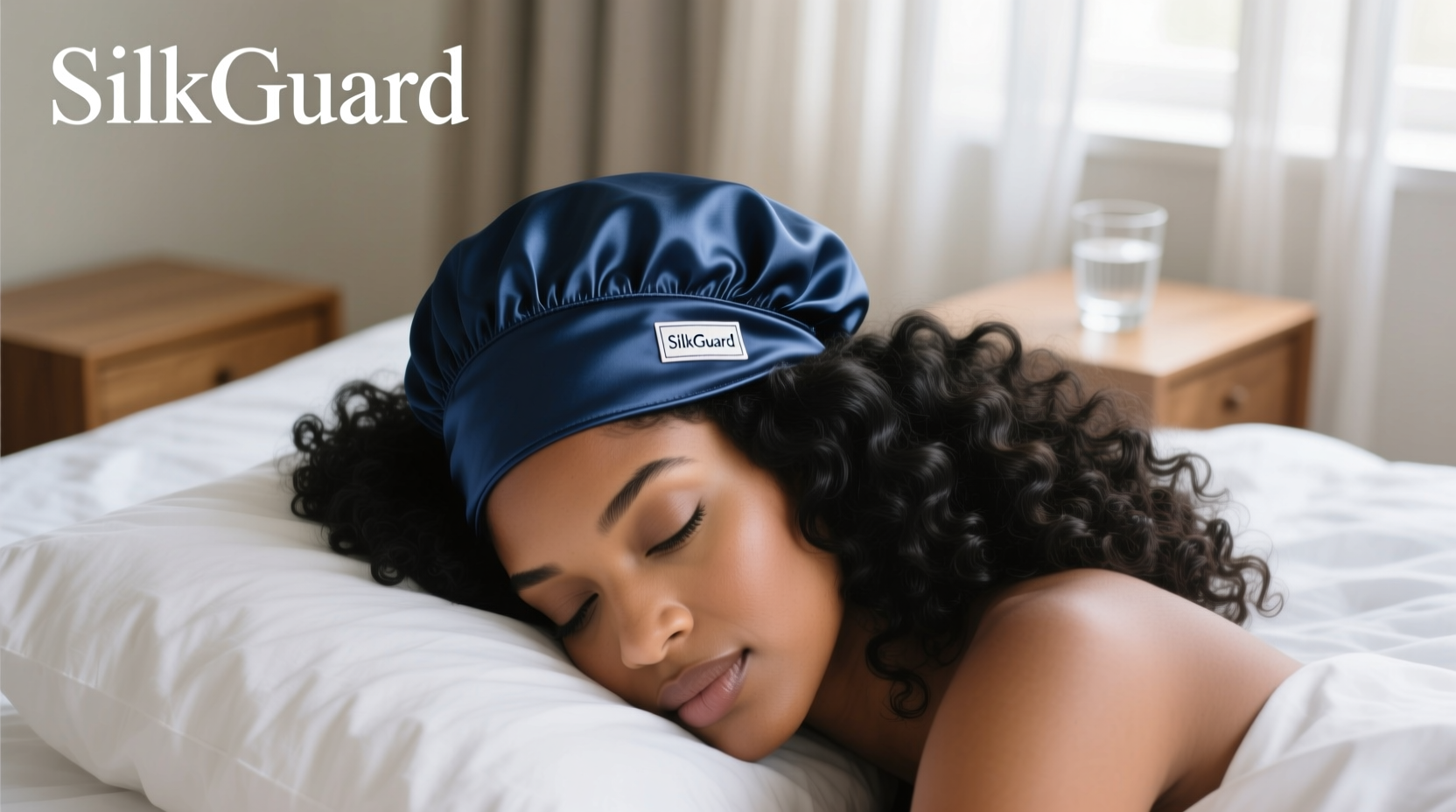
Hair retention refers to the ability of your hair to maintain its length over time by minimizing breakage, split ends, and environmental damage. For natural hair—characterized by tight curl patterns, higher porosity, and increased fragility—retention can be especially challenging. The primary culprits behind breakage during sleep are friction and moisture loss.
When hair rubs against cotton pillowcases or coarse fabrics, the strands experience constant pulling and tugging. Cotton absorbs moisture aggressively, drawing hydration away from the hair shaft. Over time, this leads to dryness, frizz, and weakened cuticles, making hair more prone to snapping. In contrast, silk creates a low-friction surface that allows hair to glide smoothly, reducing mechanical stress.
“Reducing friction at night is one of the most effective ways to prevent unnecessary breakage, especially for textured hair types.” — Dr. Kamilah Richards, Trichologist & Hair Health Specialist
A 2020 study published in the Journal of Cosmetic Dermatology found that participants who slept on silk pillowcases reported significantly less hair tangling and breakage compared to those using cotton. While the study focused on pillowcases, the same principles apply to silk sleep caps, which offer even more direct protection by fully enclosing the hairstyle.
How Silk Sleep Caps Support Natural Hair Retention
Silk sleep caps aren’t just a luxury—they serve several functional purposes that directly impact hair health:
- Minimizes Friction: Silk’s smooth surface reduces rubbing between hair strands and external surfaces, decreasing the risk of cuticle damage.
- Preserves Moisture: Unlike cotton, silk doesn’t absorb natural oils or leave-in conditioners, helping hair retain hydration overnight.
- Protects Hairstyles: Whether you’re wearing twists, braids, or a wash-and-go, a silk cap helps maintain definition and reduces morning frizz.
- Reduces Tangles: By keeping hair contained and gliding smoothly, silk caps minimize knotting, especially in longer or high-volume styles.
These benefits collectively contribute to improved hair retention. When strands remain intact and hydrated, fewer ends split and less manipulation is required in the morning—meaning less opportunity for breakage during styling.
Tip: For maximum effectiveness, wear your silk cap loosely to avoid tension at the hairline. Tight caps can cause traction and lead to edge thinning over time.Silk vs. Satin: What’s the Real Difference?
A common point of confusion is the difference between silk and satin sleep caps. While both materials offer smooth finishes, their composition and performance vary significantly.
| Feature | Silk | Satin |
|---|---|---|
| Natural or Synthetic | Natural (protein fiber from silkworms) | Synthetic (usually polyester) |
| Maintenance | Hand wash, air dry; delicate care required | Machine washable; more durable |
| Mood Regulation | Naturally temperature-regulating; breathable | Can trap heat; less breathable |
| Motion Smoothness | Exceptionally smooth; lowest friction | Smooth but may create static |
| Cost | Higher price point ($30–$60) | Affordable ($10–$25) |
While satin caps are often marketed as “silk alternatives,” they don’t provide the same breathability or moisture-wicking properties. Polyester-based satin can generate static and retain heat, potentially increasing sweat and scalp irritation. However, for budget-conscious users, high-quality satin caps are still vastly superior to cotton and can support retention when used consistently.
Pure mulberry silk remains the gold standard. Its natural protein structure closely resembles human hair, allowing it to interact gently with the cuticle without stripping lipids or causing abrasion.
Step-by-Step Guide to Using a Silk Sleep Cap for Maximum Retention
Simply owning a silk cap isn’t enough—you need to use it correctly to reap the benefits. Follow this nightly routine to optimize hair protection:
- Prep Your Hair: Apply a light leave-in conditioner or sealant (like jojoba oil or shea butter) to damp or moisturized hair. This locks in hydration before capping.
- Style Gently: Opt for protective styles like pineapple-updos, loose twists, or buns. Avoid tight styles that pull on the scalp.
- Secure the Cap Properly: Start at the nape of your neck and stretch the cap upward, covering all edges. Ensure the cap fits snugly but not tightly.
- Adjust During the Night: If you wake up and notice slippage, reposition the cap to keep hair enclosed.
- Morning Routine: Remove the cap gently. Refresh your style with a spritz of water and oil if needed—minimal manipulation is key.
Consistency matters. Using the cap five nights a week yields better results than sporadic use. Over time, reduced friction leads to noticeable improvements in hair strength and length maintenance.
Real-World Example: A Six-Month Retention Journey
Tasha, a 32-year-old educator with 4C hair, struggled with stagnant growth for years. Despite a consistent regimen of deep conditioning and LOC (liquid, oil, cream) method, she noticed her ends breaking off faster than new growth could compensate. After learning about silk caps, she invested in a pure mulberry silk option and committed to wearing it every night.
Within three months, she observed less morning frizz and fewer single-strand knots. By month six, she measured a net gain of 1.5 inches—her first measurable retention progress in over a year. She attributes the change primarily to reduced friction and preserved moisture, noting that her twist-outs lasted longer and required less frequent redoing.
“I used to lose so much hair just from tossing and turning,” Tasha shared. “Now my hair feels stronger, and I’m finally seeing the length I’ve been working toward.”
Common Mistakes That Undermine Silk Cap Benefits
Even with high-quality silk, improper use can negate potential gains. Watch out for these pitfalls:
- Wearing It on Dry, Unsealed Hair: Without proper moisture, silk won’t prevent dehydration—it only reduces friction.
- Using a Worn-Out Cap: Pilling, holes, or rough patches increase friction. Replace your cap every 6–12 months with regular use.
- Skipping Scalp Care: A silk cap traps heat and sweat if worn too tightly. Cleanse your scalp weekly to avoid buildup.
- Choosing the Wrong Size: Too small causes tension; too large slips off. Measure your head circumference before purchasing.
Expert Tips for Maximizing Retention with Silk Caps
To get the most out of your investment, consider these advanced strategies:
- Layer Protection: Use a silk pillowcase in addition to the cap for double defense against friction.
- Overnight Deep Conditioning: Apply a protein-free mask before capping to enhance moisture absorption without weighing hair down.
- Edge Preservation: Fold a silk scarf under the cap’s band to cushion the hairline and prevent tension.
- Travel Hack: Pack a second cap for trips—hotel pillowcases are often harsh and drying.
“Think of your silk cap as part of a holistic retention strategy. It’s not a standalone solution, but a critical component in minimizing daily micro-damage.” — Nevaeh James, Natural Hair Educator & Stylist
Frequently Asked Questions
Can silk sleep caps cause acne or scalp issues?
Generally, no—pure silk is hypoallergenic and non-comedogenic. However, if you use heavy oils or butters before capping, residue can transfer to the scalp and clog pores. To prevent this, apply products sparingly and wash your cap regularly.
Do I need to wear my hair up with the cap?
It’s highly recommended. Loose hair is more likely to tangle inside the cap. Pineappling (a loose high ponytail secured with a scrunchie) or flat-twisting keeps strands aligned and protected.
Are silk bonnets better than caps?
Both work well. Bonnets have ties and cover more area, making them ideal for voluminous styles. Caps are more secure during restless sleep and less likely to slip off. Choose based on your hair size and sleeping habits.
Final Verdict: Are Silk Sleep Caps Worth It?
Yes—especially for individuals with natural, curly, or coily hair seeking long-term retention. The combination of reduced friction, moisture preservation, and style protection makes silk sleep caps a scientifically supported and practically effective tool. While they require a higher upfront cost and careful maintenance, the return on investment is evident in stronger, healthier hair over time.
That said, a silk cap is not a magic fix. It works best as part of a broader hair care strategy that includes proper hydration, minimal manipulation, protective styling, and regular trims. When used correctly and consistently, it becomes a quiet but powerful ally in the pursuit of length retention.
💬 Ready to protect your curls tonight? Invest in a high-quality silk sleep cap, follow the steps outlined here, and track your progress over the next few months. Share your journey in the comments—your experience could inspire someone else on their retention path.








