Hair thinning, shedding, and slow growth are concerns that affect millions. As a result, the market is flooded with products promising thicker, healthier hair—none more prominent than scalp serums. Marketed as concentrated treatments that target the root of the problem (literally), these serums claim to stimulate follicles, reduce inflammation, and boost circulation. But with prices ranging from $20 to over $100 per bottle, many consumers are left wondering: Are scalp serums actually effective, or are they just cleverly packaged placebos?
The answer isn’t black and white. While some serums deliver measurable results, others rely on marketing hype and under-dosed ingredients. The truth lies in understanding what’s inside the bottle, how your scalp responds, and what realistic expectations should be.
The Science Behind Scalp Serums
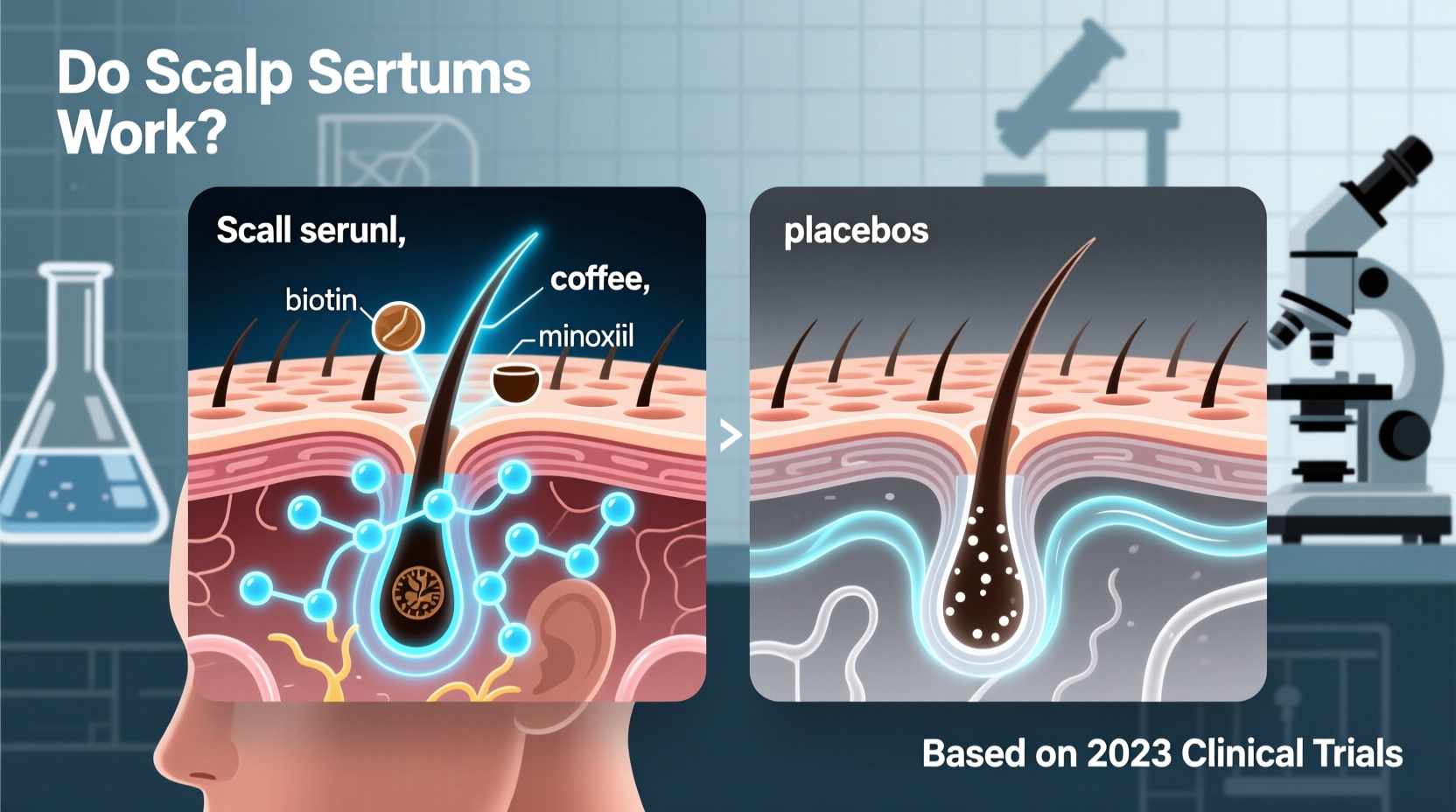
Scalp serums are lightweight, fast-absorbing liquids designed to penetrate the skin rather than coat the hair shaft like conditioners or oils. Their primary function is to deliver active ingredients directly to the hair follicles—where hair growth begins.
Unlike traditional hair care products, which often focus on aesthetics (shine, softness, volume), serums aim to influence biological processes such as:
- Follicle stimulation
- Blood circulation to the scalp
- DHT (dihydrotestosterone) inhibition—a hormone linked to pattern baldness
- Reduction of scalp inflammation
- Nutrient delivery to dormant follicles
For a serum to be effective, its formulation must contain scientifically backed compounds at clinically relevant concentrations. Not all do.
“Topical treatments can support hair health when formulated correctly. The key is consistent use and evidence-based ingredients.” — Dr. Lena Patel, Dermatologist & Hair Specialist
Key Ingredients That Work (and Those That Don’t)
Not all ingredients are created equal. Some have robust clinical backing; others are included for marketing appeal with little functional benefit.
| Ingredient | Evidence Level | Function | Effective Dose |
|---|---|---|---|
| Minoxidil | High (FDA-approved) | Vasodilator; extends hair growth phase | 5% (men), 2% (women) |
| Caffeine | Moderate | Stimulates follicles; counters DHT effects | 0.2%–0.5% |
| Niacinamide (B3) | Moderate | Improves blood flow; reduces inflammation | 3%–5% |
| Pumpkin Seed Oil | Preliminary | DHT blocker (in small studies) | 10%–20% |
| Peptides (e.g., Acetyl Tetrapeptide-3) | Limited | May support follicle strength | Varies |
| Fragrance/Parabens | None (potentially harmful) | Preservatives or scent | N/A |
The presence of minoxidil alone elevates a product from cosmetic to pharmaceutical-grade. However, most OTC serums avoid it due to regulatory requirements and instead rely on natural extracts and peptides, which may offer mild benefits but lack the same potency.
Tip: Check ingredient labels for concentration clues. If an active compound appears near the end of the list, it's likely under-dosed.Real Results vs. Marketing Hype
Many brands tout “clinically proven results” without disclosing study conditions. For example, a company might reference a trial using a 5% caffeine solution—but their product contains only 0.1%. This misleads consumers into believing they’re getting the same outcome.
In reality, independent studies show mixed results:
- A 2014 German study found that a 0.2% caffeine solution applied daily improved hair density in men with androgenetic alopecia after six months—though not as effectively as 5% minoxidil.
- A 2021 review in the *Journal of Cosmetic Dermatology* concluded that while certain plant extracts show promise, most over-the-counter serums lack sufficient data to support significant regrowth claims.
- Blind trials on peptide-based serums often show marginal improvement compared to placebo, suggesting psychological or hydration-related benefits rather than true follicular activation.
That said, users frequently report improved scalp health—less itching, flaking, and oiliness—which can create the illusion of thicker hair. A healthy scalp environment supports better growth, even if new strands aren’t sprouting.
Mini Case Study: Sarah’s Experience with a Popular Serum
Sarah, 38, began noticing increased shedding after childbirth. She invested in a high-end serum marketed as “dermatologist-recommended” and containing biotin, caffeine, and red clover extract. At $88 per bottle, she committed to six months of daily use.
After three months, she noticed less hair in her brush and slightly faster growth at the crown. However, no visible thickening occurred. A dermatologist later explained that postpartum shedding typically resolves within a year—and her improvements aligned more with natural recovery than the serum’s impact.
Still, Sarah appreciated the ritual and reduced scalp irritation. “It didn’t regrow my hair,” she said, “but it made me feel like I was doing something proactive.”
This scenario is common: serums may support maintenance and minor improvements, but they rarely reverse significant hair loss without stronger interventions.
When Scalp Serums Make Sense (And When They Don’t)
Understanding your hair loss cause is critical before investing in any treatment. Serums work best in specific contexts:
Situations Where Serums Can Help
- Early-stage thinning: Mild androgenetic alopecia or stress-induced shedding may respond to stimulatory ingredients.
- Poor scalp circulation: Caffeine and niacinamide can enhance microcirculation.
- Dry, flaky scalp: Hydrating serums with panthenol or hyaluronic acid improve follicle environment.
- Adjunct therapy: Used alongside prescription treatments like minoxidil or finasteride for enhanced results.
Situations Where Serums Fall Short
- Advanced baldness: Once follicles are miniaturized or scarred, topical serums cannot revive them.
- Telogen effluvium from medical causes: Thyroid issues, nutrient deficiencies, or medications require systemic correction.
- Scalp conditions like psoriasis or fungal infections: Need medical diagnosis and targeted treatment.
- Genetic hair loss without supporting therapies: Relying solely on serums is unlikely to halt progression.
How to Choose a Scalp Serum That Works
With so many options, selecting an effective product requires diligence. Follow this checklist before purchasing:
✅ Serum Selection Checklist
- Check for active ingredient transparency: Look for exact percentages, especially for caffeine, niacinamide, or ketoconazole.
- Avoid harmful additives: Steer clear of sulfates, alcohol denat., synthetic fragrances, and parabens, which can irritate the scalp.
- Look for third-party testing: Brands that publish clinical results (not just testimonials) are more trustworthy.
- Consider delivery system: Dropper or spray applicators ensure precise placement on thinning areas.
- Read beyond marketing claims: Phrases like “boosts fullness” or “revitalizes roots” are vague. Demand specifics.
- Review return policy: Given the cost, a money-back guarantee reduces risk.
Also, remember that consistency matters. Most serums require daily application for at least 3–6 months before changes become noticeable. Skipping days or switching products too quickly undermines potential benefits.
Step-by-Step Guide to Using Scalp Serums Effectively
Even the best serum fails if used incorrectly. Follow this timeline for optimal results:
- Week 1–2: Cleanse and prep
Use a clarifying shampoo once weekly to remove buildup. Apply serum to clean, dry or damp scalp for better absorption. - Week 3–4: Establish routine
Apply serum once daily (preferably at night). Part hair into sections and target thinning zones directly. Gently massage for 1–2 minutes to boost circulation. - Month 2–3: Monitor changes
Take weekly photos under consistent lighting. Note any reduction in shedding, improved texture, or less scalp visibility. - Month 4–6: Evaluate progress
If no improvement, consider adding a complementary treatment (like oral biotin or low-level laser therapy). Consult a dermatologist if shedding persists.
Patience is essential. Hair grows slowly—about half an inch per month. Visible density changes take time.
Frequently Asked Questions
Can scalp serums regrow hair on a completely bald spot?
Unlikely. If the follicle is dead or scarred (as in advanced alopecia), no topical serum can regenerate it. Treatments like hair transplants or prescription medications are needed in such cases.
Do natural serums work as well as medicated ones?
Rarely. While natural ingredients like rosemary oil or pumpkin seed extract show promise in early studies, they don’t match the efficacy of FDA-approved treatments like minoxidil. They may help maintain hair health but won’t stop genetic hair loss alone.
Should I use a serum if I have oily hair?
Yes, but choose a lightweight, non-comedogenic formula. Avoid heavy oils like coconut or mineral oil, which can clog follicles. Look for water-based serums labeled “non-greasy” or “fast-absorbing.”
Conclusion: Worth It or Waste of Money?
Scalp serums aren’t universally worthless—but they’re also not miracle cures. Their value depends on formulation, individual needs, and expectations.
For those experiencing early thinning or seeking to optimize scalp health, a well-formulated serum can be a worthwhile addition to a broader hair care regimen. However, treating significant hair loss requires more than topical solutions. Medical guidance, proper nutrition, and sometimes prescription treatments are necessary for meaningful results.
Don’t fall for glossy packaging and celebrity endorsements. Read labels, research ingredients, and give products time to work. And above all, consult a dermatologist if hair loss is sudden, patchy, or worsening—because sometimes, the real issue lies beneath the surface.
🚀 Ready to make an informed decision? Audit your current hair care routine, check your serum’s ingredient list, and commit to a 90-day trial. Share your experience in the comments—your insights could help someone else avoid wasting money on false promises.








