
Thinning hair, receding hairlines, and lackluster growth have driven millions toward solutions promising thicker, healthier hair. Among the most popular are scalp serums—bottled elixirs marketed as miracle workers for dormant follicles. But with prices ranging from $20 to over $100 and claims that sound almost too good to be true, a critical question arises: Are these products genuinely effective, or are they simply riding the wave of beauty industry hype?
The answer isn’t a simple yes or no. While some scalp serums deliver measurable benefits backed by clinical research, others rely on fragrance, packaging, and influencer endorsements to sell hope rather than results. To separate fact from fiction, it’s essential to understand how these products work, what ingredients matter, and what realistic expectations should be.
How Scalp Serums Work: The Science Behind the Bottle
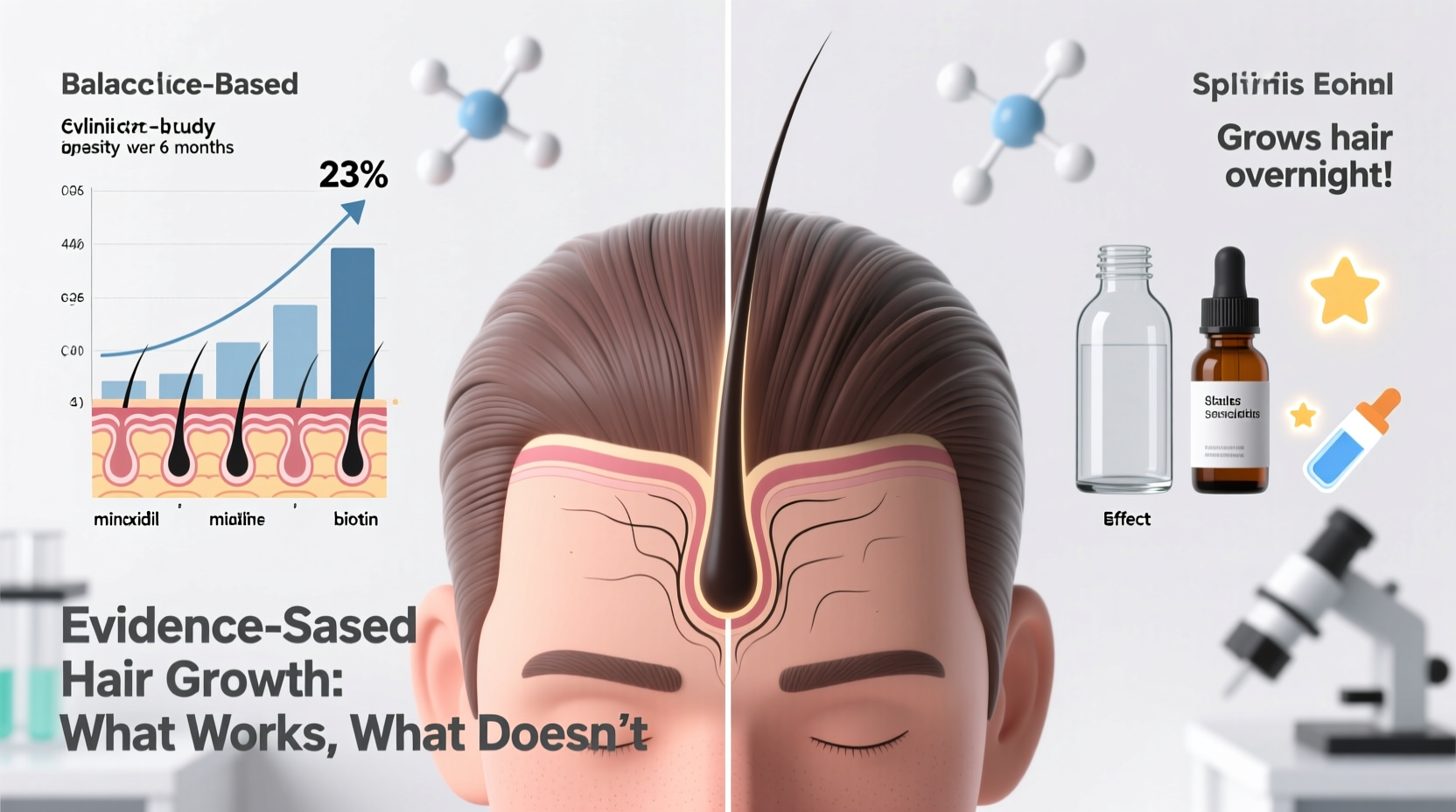
Scalp serums are topical treatments designed to be applied directly to the scalp, targeting the environment where hair grows. Unlike shampoos or conditioners that rinse away quickly, serums are left on the skin, allowing active ingredients to penetrate the epidermis and reach hair follicles.
The underlying theory is straightforward: if you improve the health of the scalp, you create optimal conditions for hair to grow stronger, thicker, and faster. This includes reducing inflammation, increasing blood circulation, delivering nutrients, and blocking hormones like dihydrotestosterone (DHT) that contribute to hair loss.
However, not all serums are created equal. Some contain scientifically validated compounds such as minoxidil or caffeine, while others use plant extracts with limited human trials. The effectiveness of a serum depends almost entirely on its formulation—not the brand name, bottle design, or celebrity endorsement.
Tip: Look beyond marketing terms like “clinically proven” — check the actual studies cited and whether they were conducted on humans, not petri dishes.Key Ingredients That Actually Work
When evaluating a scalp serum, the ingredient list is your most reliable guide. Here are the components with the strongest scientific backing:
- Minoxidil: The only FDA-approved topical treatment for androgenetic alopecia in both men and women. It works by prolonging the anagen (growth) phase of hair and increasing blood flow to follicles. Studies show visible regrowth in 30–40% of users after 4–6 months of consistent use.
- Caffeine: Research from the University of Jena indicates caffeine can counteract the effects of DHT on hair follicles, stimulating growth in lab settings. While not a standalone cure, it enhances other treatments when used in combination.
- Niacinamide (Vitamin B3): Improves scalp circulation and strengthens the skin barrier. A 2021 study published in Journal of Cosmetic Dermatology found that participants using niacinamide saw increased hair density after 8 weeks.
- Peptides (e.g., Copper Peptides): These small protein fragments may support tissue repair and collagen production around follicles, potentially improving hair anchoring and thickness.
- Pygeum & Saw Palmetto: Natural DHT blockers often included in “organic” serums. Evidence is mixed, but some users report reduced shedding when used consistently.
Conversely, many serums include fragrances, silicones, or low-concentration botanicals that provide sensory appeal but minimal therapeutic benefit. Just because an ingredient sounds natural or luxurious—like argan oil or rosemary extract—doesn’t mean it will stimulate growth at the concentrations used.
“Not all ‘natural’ ingredients are effective, and not all synthetic ones are harmful. What matters is concentration, delivery method, and clinical validation.” — Dr. Lena Patel, Board-Certified Trichologist
What the Research Says: Clinical Evidence vs. Anecdotes
A 2020 meta-analysis published in Dermatologic Therapy reviewed 17 studies on non-prescription hair growth serums. The findings revealed a clear pattern: products containing minoxidil or caffeine showed statistically significant improvements in hair count and thickness, while those relying solely on herbal blends had results indistinguishable from placebo.
One standout study followed 120 participants using a caffeine-based serum twice daily for six months. Results showed a 27% increase in hair density compared to baseline, with 68% reporting less shedding within 12 weeks. However, gains plateaued after five months, suggesting long-term maintenance is necessary.
Another trial tested a serum combining niacinamide, panthenol, and red clover extract. After three months, users experienced a 15% improvement in hair strength and shine—but no measurable increase in new growth. This highlights a key distinction: some serums improve hair quality without necessarily promoting regrowth.
Anecdotal success stories abound online, especially on platforms like TikTok and Instagram. While individual experiences vary, they often lack controls for diet, stress, hormonal changes, or concurrent treatments like prescription medications. Relying solely on testimonials can lead to unrealistic expectations.
Realistic Expectations: What Scalp Serums Can and Cannot Do
It’s crucial to understand the limitations of scalp serums. They are not magic potions. At best, they are supportive tools in a broader hair care strategy. Here’s what they can realistically achieve:
| Can Do | Cannot Do |
|---|---|
| Slow down hair shedding | Regrow hair on completely bald patches |
| Improve hair thickness and resilience | Replace hair transplants or medical treatments |
| Enhance scalp health (reduce dryness, flaking) | Fix genetic baldness permanently |
| Support existing hair during stress or postpartum shedding | Work overnight — results take 3–6 months |
| Complement other treatments (e.g., PRP, supplements) | Counteract severe hormonal imbalances alone |
For example, someone experiencing early-stage thinning due to stress or poor nutrition might see noticeable improvement with a high-quality serum. But a person with advanced male-pattern baldness likely needs more aggressive intervention, such as finasteride or surgical options.
Mini Case Study: Sarah’s Experience with a Caffeine Serum
Sarah, a 34-year-old graphic designer, began noticing excessive shedding after switching birth control pills. Her dermatologist ruled out thyroid issues but diagnosed telogen effluvium—a temporary shedding condition triggered by hormonal shifts.
She started using a caffeine-based scalp serum twice daily, along with a gentle shampoo and biotin supplements. Within eight weeks, she reported less hair in her brush and shower drain. After four months, her stylist commented on improved volume at the crown. A follow-up dermoscopy scan showed a 22% increase in terminal hairs per square centimeter.
Sarah’s case illustrates how serums can be effective in the right context—when the cause of hair loss is reversible and the product contains proven actives. However, she emphasized consistency: skipping applications led to increased shedding within days.
Choosing the Right Serum: A Practical Checklist
With countless options on the market, selecting an effective serum requires diligence. Use this checklist before purchasing:
- Check for active ingredients: Prioritize products with minoxidil (2% for women, 5% for men), caffeine, niacinamide, or peptides.
- Verify concentration: Minoxidil must be at least 2% to be effective; caffeine should be listed in the first five ingredients.
- Review clinical studies: Look for independent, peer-reviewed research—not just brand-sponsored trials.
- Avoid harmful additives: Steer clear of alcohol-heavy formulas, sulfates, or synthetic fragrances that can irritate the scalp.
- Assess application method: Dropper or spray applicators ensure precise delivery to affected areas.
- Consider cost vs. duration: A $60 serum lasting one month may be less economical than a $80 option lasting two months.
- Start with samples: If available, test a travel size first to rule out irritation.
Common Pitfalls That Undermine Results
Even the best serum won’t work if used incorrectly. Common mistakes include:
- Inconsistent application: Skipping doses disrupts the treatment cycle. Hair growth is slow—results require patience and routine.
- Using expired products: Active ingredients degrade over time, especially in heat or sunlight.
- Combining incompatible products: Mixing serums with strong retinoids or exfoliants can cause irritation and worsen shedding.
- Expecting instant results: Most users see changes after 3 months. Premature discontinuation leads to perceived failure.
- Ignoring root causes: No serum can overcome nutrient deficiencies, chronic stress, or untreated medical conditions.
For optimal outcomes, pair your serum with internal support: a balanced diet rich in iron, zinc, and protein; adequate sleep; and stress management techniques like meditation or regular exercise.
Frequently Asked Questions
Do scalp serums work for everyone?
No. Effectiveness depends on the cause of hair loss, genetics, age, and overall health. They tend to work best for early-stage thinning, postpartum shedding, or stress-related loss. Advanced genetic baldness usually requires medical intervention.
Can I use a scalp serum with colored or treated hair?
Yes, most serums are safe for color-treated hair. However, avoid formulas with high alcohol content, as they may dry out chemically processed strands. Always patch-test first to prevent sensitivity.
Should I consult a doctor before using a serum?
If you’re experiencing sudden or severe hair loss, yes. A healthcare provider can identify underlying issues like hormonal imbalances, autoimmune conditions, or nutritional deficiencies that need targeted treatment.
Conclusion: Separating Hype from Hope
Scalp serums are neither miracle cures nor complete scams. Their effectiveness hinges on formulation, consistency, and alignment with the user’s specific hair concerns. Products with clinically supported ingredients like minoxidil, caffeine, and niacinamide offer real benefits when used correctly and over time.
But they are not substitutes for medical treatment, healthy lifestyle habits, or professional diagnosis. The most successful outcomes come from a holistic approach—combining topical treatments with internal wellness and expert guidance.
If you're considering a scalp serum, do your homework. Read labels, check studies, and manage expectations. Start with one well-formulated product and give it at least four months before judging results. Your scalp—and your hair—deserve informed decisions, not impulse buys fueled by marketing hype.
🚀 Ready to make an informed choice? Review your current hair care routine, identify your goals, and choose one evidence-backed serum to test for the next 90 days. Track your progress with photos and notes—your future self will thank you.








