For years, people struggling with thinning hair or slow growth have turned to an array of solutions—from supplements and topical treatments to laser therapy and prescription medications. Amid this landscape, a seemingly simple tool has gained traction: the scalp massager. Marketed as a device that stimulates circulation, reduces stress, and potentially encourages hair regrowth, the scalp massager is now a common fixture in bathrooms and shower routines. But behind the viral TikTok videos and glowing testimonials lies a critical question: Are these devices genuinely effective, or are they simply capitalizing on the placebo effect?
The answer isn't black and white. While there’s emerging scientific support for certain benefits of scalp massage, the extent of its impact on actual hair growth remains nuanced. This article explores the physiological mechanisms at play, reviews clinical evidence, examines anecdotal reports, and separates fact from marketing hype.
How Scalp Massage Works: The Science Behind Blood Flow and Follicle Stimulation
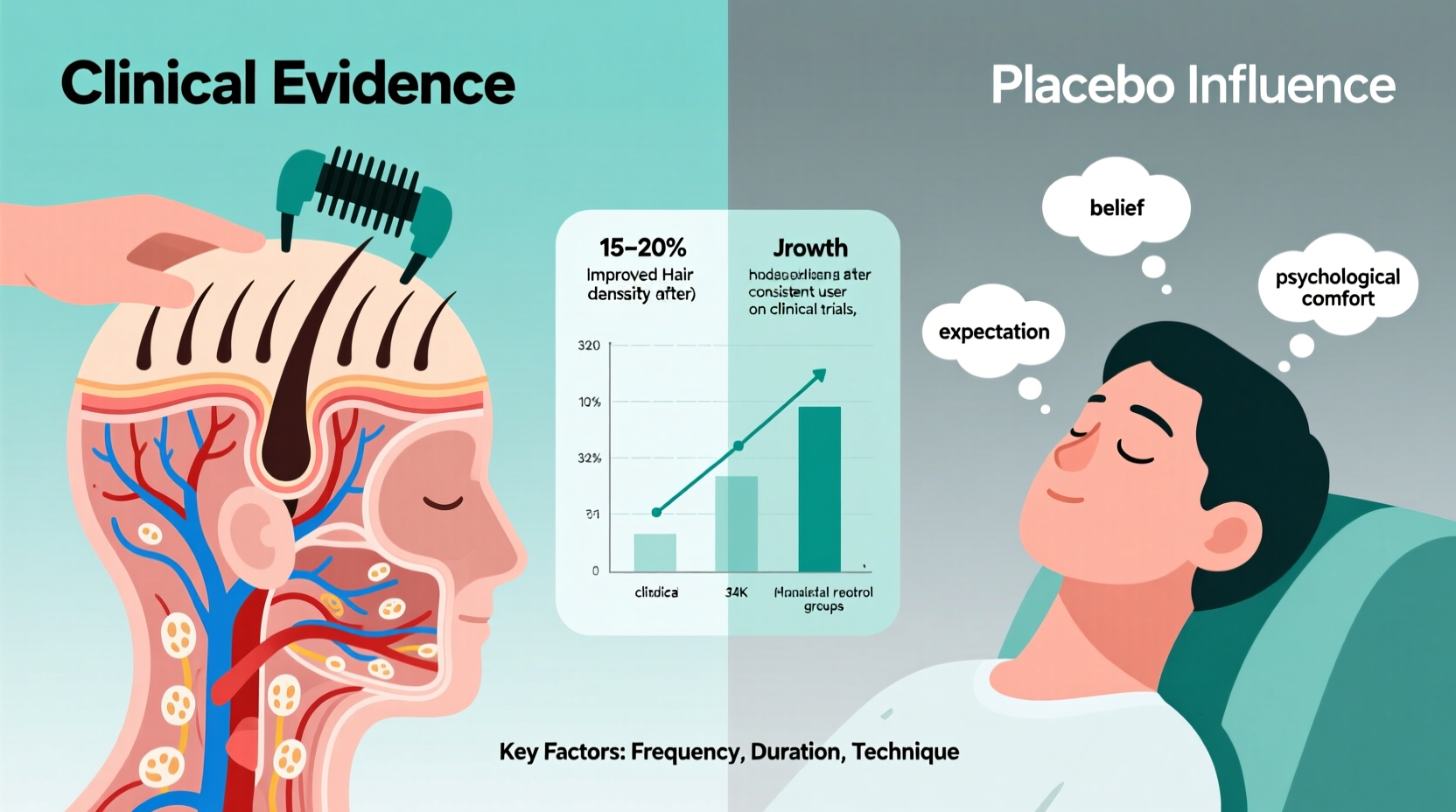
Hair follicles rely on a steady supply of oxygen and nutrients delivered via blood circulation. When blood flow to the scalp is compromised—due to stress, poor posture, or aging—the follicles may receive less nourishment, which can contribute to weakened hair and slower growth cycles.
Scalp massage, whether performed manually or with a mechanical device, applies rhythmic pressure to the skin and underlying tissues. This action can:
- Increase microcirculation in the dermal layer
- Reduce muscle tension in the occipitalis and frontalis muscles
- Stimulate mechanoreceptors that may influence cellular activity
- Promote relaxation by lowering cortisol levels
A 2016 study published in *Eplasty* examined the effects of daily 4-minute scalp massages over 24 weeks. Participants showed measurable increases in hair thickness, though not necessarily in total hair count. Researchers theorized that improved blood flow and reduced stress might have strengthened existing hairs rather than triggered new growth.
“While we can’t claim scalp massage causes robust regrowth like minoxidil, it may create a more favorable environment for healthy hair.” — Dr. Laura Kim, Trichologist and Hair Research Fellow, University of Manchester
Placebo vs. Physiological Effect: What Does the Evidence Say?
The placebo effect is powerful—especially in areas involving self-perception, such as hair appearance. If someone believes a device is helping, they may perceive thicker, shinier hair even without objective changes. However, dismissing scalp massagers entirely as placebo overlooks documented biological responses.
Key findings from research include:
- Improved subjective satisfaction: Users often report feeling cleaner scalps, reduced itchiness, and enhanced relaxation after use.
- Mild structural improvements: Some studies show increased hair shaft diameter, suggesting stronger, denser-looking strands.
- No significant increase in follicle count: Unlike FDA-approved treatments (e.g., minoxidil or finasteride), scalp massage hasn’t been shown to reverse miniaturization or restart dormant follicles.
Still, consistent stimulation may help prolong the anagen (growth) phase of the hair cycle. A small 2020 pilot study found that men who used a motorized scalp massager for six months experienced a modest but statistically significant improvement in hair density compared to controls—though the sample size was limited to 32 participants.
Tip: For best results, use your scalp massager during shampooing when blood flow is already elevated due to warm water.Benefits Beyond Hair Growth: Secondary Advantages of Regular Use
Even if scalp massagers don’t dramatically accelerate hair regrowth, they offer several secondary benefits that contribute to overall scalp health—a crucial foundation for strong hair.
1. Enhanced Product Penetration
Massaging the scalp helps distribute oils and serums evenly, improving absorption of active ingredients like caffeine, niacinamide, or peptides commonly found in hair growth formulations.
2. Dandruff and Flakiness Reduction
Gentle exfoliation from bristles or silicone nodes can loosen dead skin cells, reducing buildup that clogs follicles and contributes to irritation.
3. Stress Relief and Cortisol Regulation
Chronic stress elevates cortisol, which has been linked to telogen effluvium—a condition causing temporary shedding. The repetitive motion of massage activates the parasympathetic nervous system, promoting calmness and potentially mitigating stress-related hair loss.
4. Improved Scalp Hygiene
Many users find that regular massage prevents product residue accumulation, especially those using heavy styling products or oil treatments.
| Benefit | Supported by Evidence? | Notes |
|---|---|---|
| Increased blood flow | Yes (moderate) | Measured via Doppler ultrasound in multiple studies |
| New hair growth | Limited | No proven follicle regeneration; minor density gains observed |
| Reduced hair shedding | Possibly | Anecdotal; may relate to improved anchoring strength |
| Lower stress markers | Yes | Cortisol reduction noted in massage therapy trials |
| Enhanced shine and manageability | Yes (indirect) | Due to better sebum distribution and cleansing |
Real-World Example: A Six-Month Self-Experiment
James, a 38-year-old software developer from Portland, began noticing increased shedding and a receding hairline two years ago. Hesitant to start medication, he decided to test a popular silicone scalp massager alongside his routine shampooing.
He committed to using it for five minutes every other day, documenting progress monthly with photos and a hair tally method (counting loose strands on his pillow). After three months, he reported less itching and fewer clumps in the drain. By month six, close inspection revealed slightly fuller temples and a reduction in fine, wispy hairs at the crown.
While James didn’t regain lost hairline coverage, he felt his remaining hair was thicker and more resilient. His dermatologist confirmed mild improvement in hair caliber but noted no new growth in balding zones. “It’s not a cure,” James said, “but it’s part of what keeps my scalp feeling healthy.”
Choosing the Right Scalp Massager: Features That Matter
Not all scalp massagers are created equal. With options ranging from handheld plastic brushes to vibrating silicone pads and electric rotating domes, selecting the right one depends on individual needs and sensitivity.
Types of Scalp Massagers
- Manual Brushes: Typically made with soft nylon or silicone bristles; affordable and travel-friendly.
- Silicone Pads: Flexible with nubs; gentle for sensitive scalps and safe for daily use.
- Vibrating Devices: Battery-powered with oscillating heads; provide deeper stimulation but may be too intense for some.
- Electric Rotating Heads: Mimic professional massage techniques; higher cost but offer consistent pressure.
What to Look For
- Bristle Softness: Avoid sharp or stiff tips that could damage the skin barrier.
- Ergonomic Design: Should fit comfortably in hand and reach the back of the head easily.
- Hygienic Materials: Non-porous, antimicrobial materials prevent bacterial buildup.
- Water Resistance: Essential for wet use in showers or baths.
Step-by-Step Guide: How to Use a Scalp Massager Effectively
To maximize potential benefits, follow this structured routine:
- Prepare Your Scalp: Wet your hair thoroughly with lukewarm water to open pores and soften the skin.
- Apply Shampoo or Serum: Dispense a small amount of shampoo or leave-in treatment before massaging.
- Start at the Front Hairline: Use circular motions with light to moderate pressure, moving slowly backward.
- Cover All Zones: Pay attention to temples, crown, and nape—common areas for tension and thinning.
- Duration: Spend at least 3–5 minutes total, focusing on sensation rather than speed.
- Rinse Thoroughly: Ensure no product residue remains trapped beneath the surface.
- Frequency: Use 3–5 times per week for maintenance; daily use is safe if no irritation occurs.
Avoid excessive force, which can lead to micro-tears or traction alopecia over time. The goal is stimulation, not scrubbing.
Common Misconceptions About Scalp Massagers
Despite growing popularity, several myths persist:
- Myth: “Scalp massagers can regrow a bald spot.”
Reality: They may improve scalp conditions but cannot revive genetically inactive follicles. - Myth: “More pressure equals better results.”
Reality: Aggressive massage can inflame follicles and worsen shedding. - Myth: “All massagers are equally effective.”
Reality: Design, material, and usage technique significantly affect outcomes.
Frequently Asked Questions
Can scalp massagers cause hair loss?
When used gently, scalp massagers do not cause hair loss. However, overly aggressive use—especially with stiff bristles—can lead to traction or breakage. If you notice increased shedding after starting use, reduce pressure or frequency.
How long does it take to see results?
Most users report improved scalp comfort within weeks. Visible changes in hair texture or density may take 3–6 months of consistent use. Remember, hair grows approximately 0.5 inches per month, so patience is essential.
Should I use a scalp massager with minoxidil or other treatments?
Yes—many dermatologists recommend combining topical treatments with massage to enhance absorption. Apply your serum first, then massage gently for 1–2 minutes to distribute the product evenly. Just avoid rinsing it off immediately.
Final Verdict: Tool, Not Treatment
Scalp massagers are not miracle cures for hair loss, nor are they mere placebos. They occupy a middle ground: supportive tools that enhance scalp health and may modestly improve hair quality when used consistently. Their real value lies in complementing proven treatments—not replacing them.
If you're experiencing significant thinning or pattern baldness, consult a dermatologist or trichologist. Proven interventions like minoxidil, low-level laser therapy, or prescription medications remain the gold standard. But for general maintenance, stress relief, and optimizing your current regimen, a scalp massager can be a worthwhile addition.
“The scalp is the soil in which hair grows. You wouldn’t expect a garden to thrive on neglected land. Scalp massage is like tilling and watering—it prepares the ground.” — Dr. Naomi Patel, Board-Certified Dermatologist
Take Action Today
You don’t need expensive equipment or dramatic lifestyle shifts to start supporting your scalp health. Pick a well-designed massager, incorporate it into your washing routine, and commit to consistency. Track subtle changes over time—not just in hair volume, but in how your scalp feels. Over weeks and months, these small actions compound into meaningful improvements.
💬 Have you tried a scalp massager? Share your experience below—did you notice a difference, or was it all in your head? Join the conversation and help others separate myth from reality.








