As sustainability becomes a central focus in personal care routines, reusable makeup wipes have surged in popularity. Marketed as eco-friendly, cost-effective alternatives to disposable wipes, they promise both environmental and financial benefits. But do they actually save money over time? The answer isn’t always straightforward. While the initial appeal lies in reducing waste and cutting monthly expenses, the long-term value depends on usage patterns, maintenance costs, product quality, and individual habits. This article breaks down the true economics of reusable makeup wipes, compares them with traditional options, and offers practical insights to help you determine whether they’re a smart investment for your lifestyle.
Understanding the Cost Structure
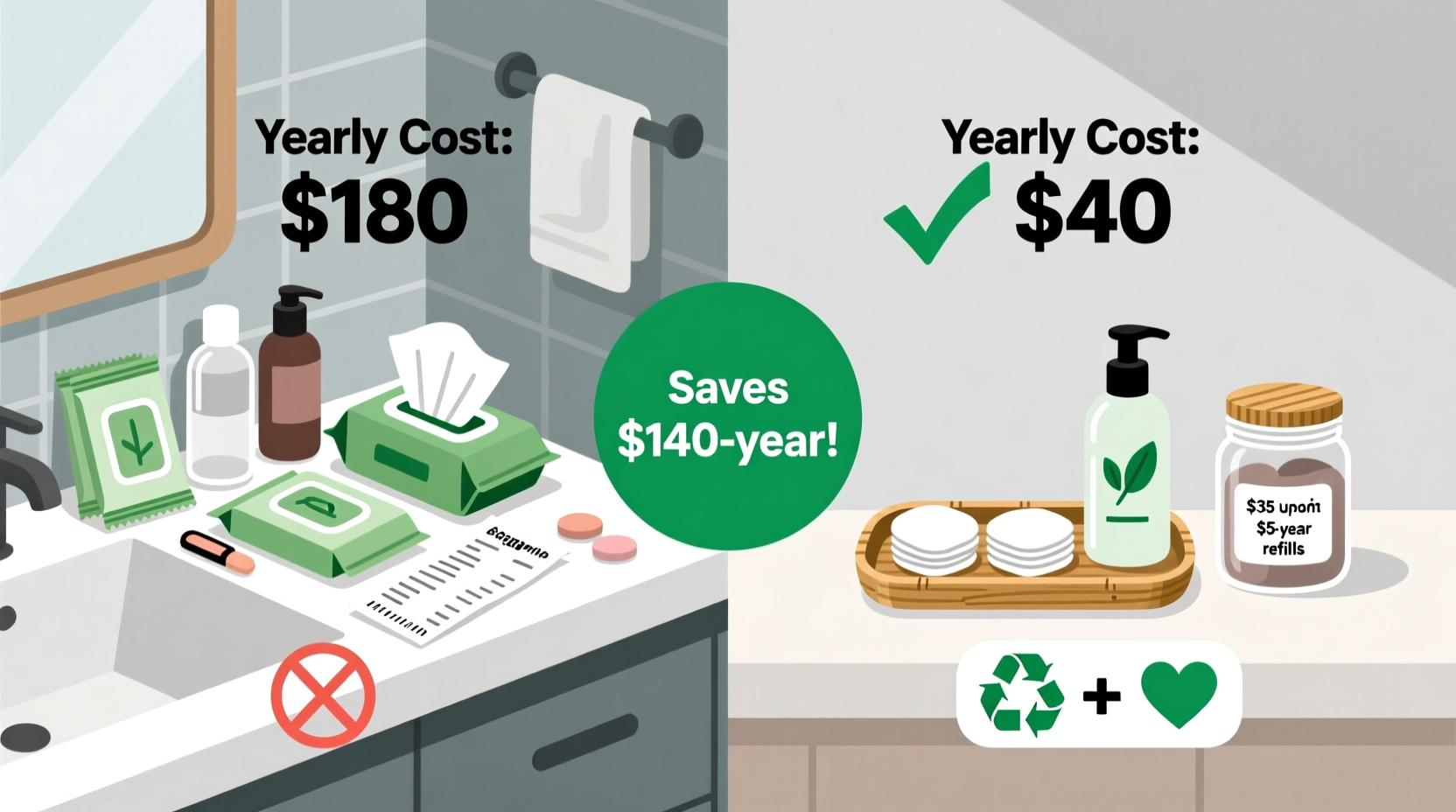
The financial equation behind reusable makeup wipes involves more than just upfront pricing. To assess their long-term value, it’s essential to consider all associated costs: initial purchase, laundering, replacement frequency, and indirect factors like time and detergent use.
A typical pack of high-quality reusable makeup wipes ranges from $15 to $30 for a set of 7 to 10 pieces. In contrast, a standard pack of disposable wipes (around 25–30 wipes) costs between $3 and $8, depending on brand and formulation. At first glance, disposables seem cheaper. However, if used daily, a pack lasts only one to two weeks. Over a year, that adds up to roughly $60–$150 in recurring expenses—significantly more than the one-time cost of reusables.
Yet this calculation assumes no additional costs for the reusable option. In reality, laundering them contributes to water, energy, and detergent usage. Washing after every few uses—typically recommended to prevent bacterial buildup—adds marginal household expenses. Still, even with weekly laundry loads, the incremental cost per wipe is minimal when spread across months of use.
Tip: Wash reusable wipes with other delicates or small loads to minimize water and energy waste.Longevity and Replacement Frequency
One of the biggest advantages of reusable wipes is durability—if cared for properly. High-quality options made from bamboo, cotton flannel, or microfiber can last anywhere from 6 months to 2 years with regular use and gentle washing. Cheaper versions may fray, lose absorbency, or develop odors within a few months.
To maximize lifespan, manufacturers often recommend hand-washing or using a mesh laundry bag in the machine. Avoiding fabric softeners and high heat drying preserves fiber integrity. Over time, signs of wear—such as thinning fabric or lingering smells—indicate it’s time for replacement.
Assuming a $25 set lasts 12 months with proper care, the annual cost is $25. Compare that to premium disposable wipes at $5 per pack (used biweekly), totaling about $130 per year. Even factoring in slight increases in laundry costs, the savings are substantial—over $100 annually in this scenario.
“Many consumers underestimate how quickly small daily purchases add up. Switching to reusables isn’t just green—it’s financially intelligent.” — Dr. Lena Patel, Sustainable Consumer Economist
Cost Comparison Table: Reusable vs. Disposable Wipes
| Factor | Reusable Wipes (Annual) | Disposable Wipes (Annual) |
|---|---|---|
| Initial Purchase | $25 (one-time, lasts 1–2 years) | $0 (recurring) |
| Replacement Cost | $0 (first year) | $60–$150 |
| Laundry Impact | +$5–$10 (water, energy, detergent) | $0 |
| Total Estimated Annual Cost | $30–$35 | $60–$150 |
| Environmental Impact | Low (minimal waste) | High (plastic packaging, landfill waste) |
This table illustrates that while reusable wipes require an upfront investment, their long-term operating costs are significantly lower. Even when extended to a two-year lifespan, the annualized cost drops below $20—making them a compelling financial choice for consistent users.
Real-World Usage: A Mini Case Study
Sophia, a 29-year-old marketing professional in Seattle, used disposable makeup wipes religiously for years. She purchased a mid-tier brand at $6 per pack, going through one every 10 days—about 36 packs per year. Her annual spending totaled $216.
In January, she switched to a $28 set of organic bamboo reusable wipes. She washes them twice a week with her face towels, adding negligible load to her laundry routine. After six months, the wipes remain effective and odor-free. She estimates her total added laundry cost at $7 for the year.
Her new annual cost: $28 (initial) + $7 (laundry) = $35. That’s a savings of $181 compared to her previous habit. Sophia also reports her skin feels less irritated, which she attributes to fewer chemicals and fragrances.
While not everyone uses wipes as frequently as Sophia did, her case highlights how habitual consumption amplifies savings with reusables. For occasional users, the payoff may take longer—but it still exists.
Factors That Influence Long-Term Savings
Not all users will experience the same level of savings. Several variables affect whether reusable wipes deliver financial benefits:
- Usage frequency: Daily users see faster returns. If you wear heavy makeup nightly, reusables pay off quickly. Occasional users may not recoup costs for over a year.
- Wash routine: Hand-washing increases time investment but reduces machine wear. Machine washing saves time but may shorten wipe lifespan if not protected.
- Product quality: Investing in durable materials (e.g., bamboo-cotton blend) extends life and improves cleaning performance.
- Storage and hygiene: Storing used wipes in a sealed, ventilated container prevents mildew and maintains freshness between washes.
- Household dynamics: Sharing wipes among multiple users accelerates wear but spreads cost across more people, potentially increasing efficiency.
Step-by-Step Guide to Maximizing Value
To ensure your reusable wipes deliver maximum savings and performance, follow this practical timeline:
- Week 1: Choose the Right Product
Select wipes made from durable, hypoallergenic materials. Read reviews focusing on longevity and softness. - Week 2: Establish a Storage System
Use a small, breathable wet bag or silicone container to store used wipes until laundry day. - Week 3: Integrate into Your Routine
Use them nightly after cleansing. Rinse lightly under water if heavily soiled before storage. - Weekly: Wash Properly
Every 3–5 uses, wash in cold water with mild detergent. Use a mesh bag to protect fibers. - Monthly: Inspect Condition
Check for fraying, thinning, or lingering smells. Replace any damaged wipes promptly. - Every 6–12 Months: Evaluate Replacement Needs
Plan for partial or full replacement based on wear. Consider buying a second set to rotate use and extend life.
Common Pitfalls That Reduce Savings
Even well-intentioned users can undermine the financial benefits of reusable wipes. Avoid these common mistakes:
- Overwashing: Running a full machine load just for wipes wastes resources. Wait until you have a full delicates load.
- Using fabric softener: It coats fibers, reducing absorbency and shortening lifespan.
- Ignoring mildew: Leaving damp wipes in closed containers breeds bacteria and odors, forcing early replacement.
- Buying low-quality sets: Extremely cheap wipes often degrade after a few washes, negating cost advantages.
Checklist: Is the Switch Worth It for You?
Before investing, ask yourself these questions:
- Do I remove makeup daily with wipes or cloths?
- Am I consistent with laundry and home organization?
- Do I prefer natural materials and sustainable products?
- Is my current disposable wipe spending over $50/year?
- Can I commit to proper washing and storage?
If you answered “yes” to most, reusable wipes are likely a smart financial and ecological choice.
Frequently Asked Questions
How many times can reusable makeup wipes be washed?
High-quality reusable wipes can typically withstand 100–200 washes, depending on material and care. With daily use and weekly washing, this translates to 1–2 years of service. Always follow manufacturer guidelines to maximize durability.
Do reusable wipes clean as well as disposable ones?
Yes, especially when paired with micellar water or cleanser. They may require slightly more rubbing than pre-moistened disposables, but they effectively remove makeup, sunscreen, and dirt. Many users report better skin compatibility due to the absence of preservatives and alcohol.
Are reusable wipes hygienic?
When stored and washed properly, yes. Store used wipes in a ventilated, moisture-wicking pouch and launder within 2–3 days. Avoid leaving them damp for extended periods to prevent bacterial growth. Some brands offer antimicrobial fabrics for added safety.
Conclusion: A Smart Investment for Consistent Users
Reusable makeup wipes can indeed save money in the long run—especially for those who currently rely on disposable alternatives. The break-even point typically arrives within 3 to 6 months of regular use, after which every additional month represents pure savings. When combined with environmental benefits like reduced plastic waste and lower carbon footprint, the value proposition strengthens further.
However, savings depend on discipline. Without proper care, reusable wipes degrade quickly, nullifying their economic advantage. Success requires a modest shift in routine: storing used wipes correctly, washing them efficiently, and replacing them only when necessary.
For environmentally conscious consumers seeking both sustainability and budget efficiency, reusable makeup wipes are more than a trend—they’re a practical upgrade. The initial cost is minor compared to the long-term gains in savings, skin health, and planetary impact.
🚀 Ready to cut your beauty routine costs and reduce waste? Try a high-quality reusable wipe set today—and track your savings over the next six months. Share your experience with others looking to make the switch!








