Walk down any hair care aisle or scroll through online beauty retailers, and you’ll quickly notice a recurring theme: protein-infused shampoos. From keratin to hydrolyzed wheat, collagen to silk amino acids, these ingredients are front and center on labels, promising stronger, shinier, and more resilient hair. But with so much emphasis on protein, it’s fair to ask—do these shampoos actually deliver real results, or are they simply clever marketing designed to make us pay more for a bottle of suds?
The truth lies somewhere in between. Protein shampoos can be highly effective—for certain hair types and conditions. But like most things in skincare and haircare, what works wonders for one person may do little—or even harm—for another. Understanding how proteins interact with your hair, when they’re beneficial, and when they might cause issues is key to making an informed decision.
How Hair Responds to Protein: The Science Behind the Claims
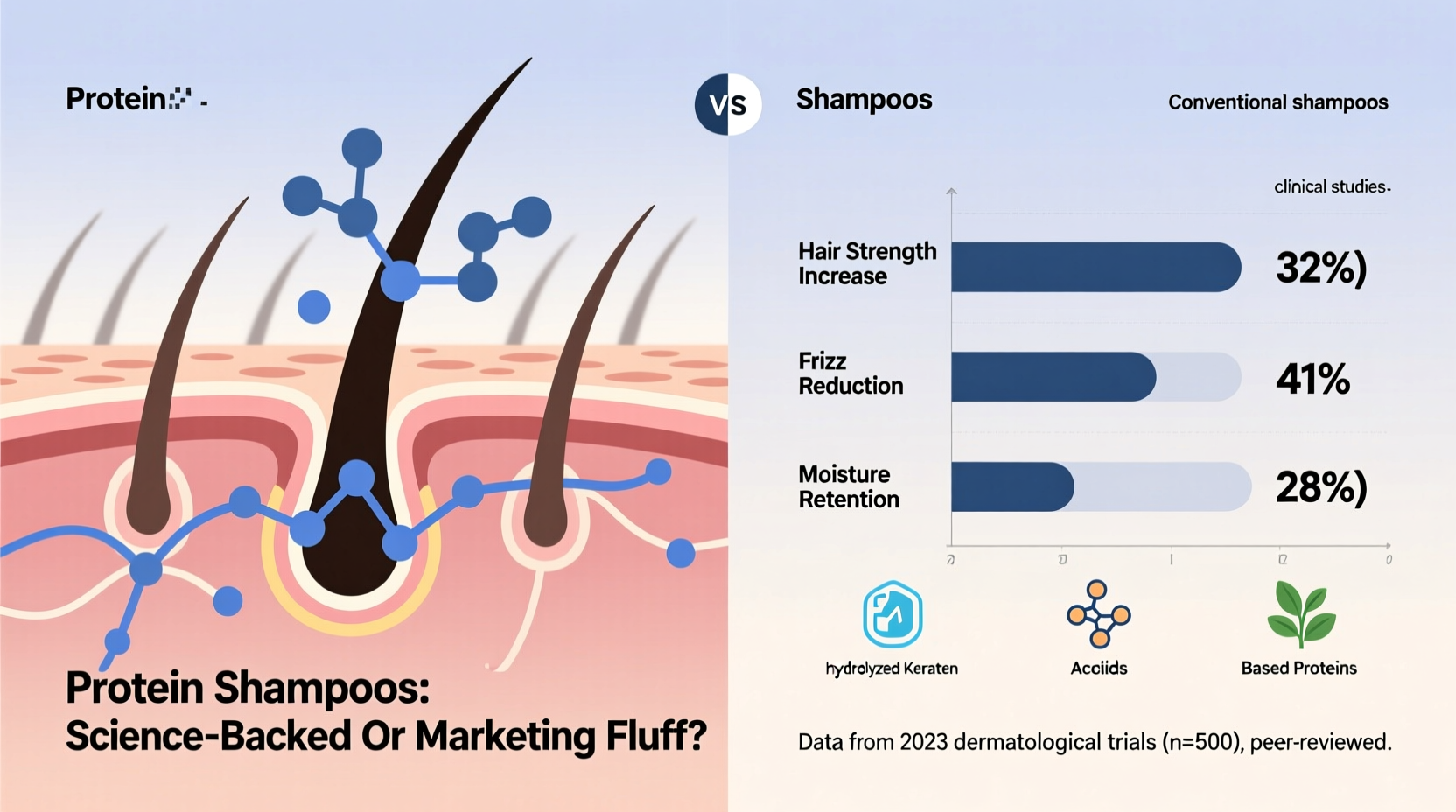
To evaluate whether protein shampoos work, we need to first understand hair structure. Each strand is made primarily of keratin, a structural protein that gives hair its strength and elasticity. Over time, chemical processing, heat styling, UV exposure, and mechanical stress (like brushing or tight hairstyles) damage the cuticle—the outer protective layer—and weaken the cortex beneath. This leads to dryness, brittleness, split ends, and breakage.
Enter protein-based treatments. Proteins used in shampoos—especially hydrolyzed forms—are small enough to penetrate the hair shaft temporarily. Hydrolyzed keratin, silk, soy, and wheat proteins are common examples. These molecules fill in gaps in damaged areas, reinforcing weak spots and improving tensile strength. Think of them as a temporary patch for micro-cracks in your hair, smoothing the surface and restoring some integrity.
However, this reinforcement isn’t permanent. Unlike deep conditioning treatments or bond builders used in professional salons, shampoo sits on the hair for only a few minutes before being rinsed out. That means the protein delivery is superficial and short-lived. It won’t rebuild hair from the inside out, but it can provide noticeable improvements in texture and manageability—especially after repeated use.
“Protein in shampoos acts like a quick fix—it improves surface feel and reduces porosity temporarily, but it's not a long-term repair solution.” — Dr. Nina Patel, Cosmetic Chemist & Trichologist
When Protein Shampoos Work: Ideal Candidates
Not all hair needs protein. In fact, overuse can lead to stiffness, dryness, and increased breakage—a condition known as protein overload. So who truly benefits?
- Chemically treated hair: Bleached, permed, or relaxed hair has compromised cuticles and reduced internal protein. A mild protein shampoo can help restore resilience.
- Frequently heat-styled hair: Regular blow-drying, flat ironing, or curling weakens keratin bonds. Protein can offer a protective buffer.
- High-porosity hair: Hair that absorbs moisture quickly but loses it just as fast often responds well to protein, which helps seal the cuticle.
- Aging hair: As we age, hair naturally thins and loses density. Protein can improve body and reduce fragility.
When Protein Can Backfire: Signs of Overload and Mismatched Use
Just as under-proteinated hair can be weak, over-proteinated hair becomes brittle. The balance between moisture and protein is critical. Hair needs both: protein for strength, moisture for flexibility. Too much of either disrupts this equilibrium.
Signs your hair has had too much protein include:
- Loss of elasticity (hair snaps instead of stretching)
- Dry, rough texture
- Lack of softness or bounce
- Increase in shedding or breakage
This is especially common among people with low-porosity hair, which struggles to absorb protein effectively. For them, protein builds up on the surface rather than penetrating, leading to coating and stiffness without benefit.
Additionally, using a high-protein shampoo daily or combining it with other protein-rich products (masks, leave-ins) dramatically increases the risk of overload. Most experts recommend rotating protein and moisturizing products every few weeks to maintain balance.
Comparing Protein Sources in Shampoos: Not All Are Equal
Not every “protein” listed on a shampoo label delivers the same benefit. Some are film-formers that sit on the hair; others penetrate and bind to damaged sites. Here’s a breakdown of common types:
| Protein Type | Penetration Ability | Primary Benefit | Best For |
|---|---|---|---|
| Hydrolyzed Keratin | High | Repairs structural gaps, improves shine | Bleached, damaged, or aging hair |
| Hydrolyzed Wheat Protein | Moderate | Adds body, enhances moisture retention | Fine or limp hair needing volume |
| Silk Amino Acids | Low-Moderate | Smooths cuticle, adds softness | All hair types, especially curly or frizzy |
| Collagen | Low | Forms protective film, reduces frizz | Temporary smoothing; limited repair |
| Soy Protein | Moderate | Strengthens, improves elasticity | Damaged or porous hair |
The molecular weight of the protein matters significantly. Smaller peptides (achieved through hydrolysis) penetrate better. Larger proteins remain on the surface, offering only cosmetic smoothing. Always check the ingredient list: if a protein appears near the end, it’s likely present in minimal amounts and may not have a functional impact.
Real-World Example: A Case of Misguided Protein Use
Tasha, a 34-year-old with natural 3C curls, began experiencing excessive breakage after switching to a popular keratin shampoo she saw praised online. Her hair felt stiffer, looked dull, and snapped easily when detangled. Confused, she visited a trichologist who diagnosed protein overload.
“Tasha’s hair was already low-porosity and prone to product buildup,” the specialist explained. “She didn’t need more protein—she needed moisture and gentle cleansing. Adding a heavy keratin shampoo every other day created a rigid, inflexible structure that couldn’t withstand normal handling.”
After discontinuing the protein shampoo and introducing weekly deep conditioning treatments, Tasha’s hair regained softness and elasticity within six weeks. Her experience underscores a crucial point: effectiveness depends on individual hair biology, not just product claims.
Step-by-Step Guide: How to Use Protein Shampoos Wisely
If you're considering trying a protein shampoo, follow this structured approach to avoid negative outcomes:
- Assess your hair type and history: Have you bleached, colored, or heat-styled frequently? Is your hair porous or fragile? These factors increase protein need.
- Start with a low-concentration formula: Choose a shampoo labeled “light” or “daily use” with protein lower in the ingredient list.
- Use once a week initially: Apply and leave on for 3–5 minutes before rinsing. Observe how hair feels the next day.
- Evaluate results: Look for improved strength, less frizz, and better manageability. Avoid if hair feels stiff or brittle.
- Alternate with moisturizing shampoo: After 2–3 uses, switch to a hydrating formula to maintain balance.
- Reassess monthly: Adjust frequency based on seasonal changes, new styling habits, or chemical services.
Expert Tips for Maximizing Benefits Without Damage
Here’s a checklist to ensure you get the most from protein shampoos while avoiding common pitfalls:
- ✔️ Patch-test new formulas on a small section first
- ✔️ Read ingredient lists—look for “hydrolyzed” proteins near the top
- ✔️ Pair with a silicone-free conditioner to prevent buildup
- ✔️ Limit use to 1–2 times per week unless directed otherwise
- ✔️ Follow with a moisturizing mask if hair feels dry post-wash
- ✔️ Avoid combining multiple high-protein products in one routine
- ✔️ Re-evaluate every 6–8 weeks based on hair response
“The biggest mistake I see is treating protein like a one-size-fits-all solution. Your hair’s needs change with season, health, and styling habits. Flexibility is key.” — Jamila Powell, Master Stylist & Hair Educator
Frequently Asked Questions
Can protein shampoo help with hair growth?
No, protein shampoos do not stimulate hair growth. They strengthen existing strands and reduce breakage, which can make hair appear longer and healthier over time. However, they don’t affect the follicle or scalp biology responsible for actual growth.
Is it safe to use protein shampoo on color-treated hair?
Yes, and it’s often recommended. Color processing opens the cuticle and strips internal protein. A gentle protein shampoo can help reinforce the hair and prolong color vibrancy by smoothing the surface. Just avoid formulas with sulfates or high alcohol content, which can strip dye.
How do I know if my hair needs protein or moisture?
Perform two simple tests: the stretch test and the feel test. Healthy hair stretches slightly and returns to shape. If it breaks easily, it may need moisture. If it doesn’t stretch at all and feels stiff, it may already have too much protein. Wet hair that feels mushy or overly soft typically lacks protein and needs strengthening.
Conclusion: Separating Substance from Hype
Protein shampoos are neither miracle workers nor marketing gimmicks—they are tools. Like any tool, their effectiveness depends on proper use and suitability for the task. For weakened, processed, or aging hair, they can provide meaningful reinforcement and improve daily manageability. But for healthy, low-porosity, or moisture-sensitive hair, they risk doing more harm than good.
The real issue isn’t whether protein shampoos work, but whether consumers are equipped to use them wisely. Blindly following trends or trusting bold packaging claims without understanding hair chemistry leads to frustration and damage. Instead, adopt a diagnostic approach: observe your hair’s behavior, respond to its signals, and adjust your routine accordingly.
If you’ve been skeptical about protein shampoos, give them a fair trial—but intelligently. Start slow, monitor results, and never treat them as a substitute for deeper conditioning or professional treatments. When used correctly, they can be a valuable part of a balanced regimen. When misused, they become just another bottle cluttering your shower shelf.
💬 Have you tried protein shampoos? Share your experience in the comments—what worked, what didn’t, and what you’d recommend to others navigating the hype.








